TL;DR

Get garden gear delivered free with Prime
- Fast, free delivery on millions of items
- Prime Video, Amazon Music and more included
- Member-only deals all year
A Homes & Gardens report, citing Cornell Lab of Ornithology specialist Miranda Rinck, describes practical ways to make yards more useful to chickadees in winter. The advice includes preserving dense evergreen cover, creating brush piles, leaving some leaf litter and planting native trees. These steps may provide shelter and food sources, but the report does not quantify how much they increase chickadee visits.
A Homes & Gardens report recommends preserving evergreen cover, leaving some fallen leaves and adding brush piles to make yards more useful to wintering chickadees. The advice, attributed to Miranda Rinck of the Cornell Lab of Ornithology, focuses on supplying shelter and foraging habitat; it does not establish that these steps will produce a particular increase in bird visits.
Rinck says chickadees spend winter in flocks searching for food and shelter, and that some northern species endure months of freezing temperatures. The report describes seven species across North America, with ranges that vary by region. Black-capped Chickadees occupy much of Canada and the northern two-thirds of the United States, while other species include the Chestnut-backed, Boreal, Carolina, Mountain and Mexican chickadees.
One recommendation is to avoid heavy fall pruning of native pines, spruces, firs and dense shrubs, especially near woodland edges and in sheltered yard corners. Rinck says dense vegetation can shield birds from wind, snow and predators and can offer places to store cached food. The report allows for pruning dead, diseased or damaged branches, and says heavier trimming can generally wait until late winter or early spring.
Other suggested changes include placing branches and twigs in a quiet corner as a brush pile and leaving some leaf litter rather than clearing every fallen leaf, practices that can support birds in your yard. Rinck says brush piles offer cover and small spaces for caching seeds, while leaf litter supports overwintering insects and insect eggs that chickadees may eat. The report also recommends native trees, including spruce, pine, oak, fir and juniper, for potential food and cover; alder and birch are among the examples it mentions.
Shelter and Food Through Winter
The recommendations focus on features that can be reduced by routine autumn cleanup: evergreen cover, fallen leaves and woody debris. Retaining some of them may provide shelter and help support insects and other food sources through cold weather. That gives homeowners practical habitat steps without suggesting that a yard can replace broader conservation efforts.
For readers hoping to see more chickadees, the guidance is best understood as a way to make a yard more inviting and useful, not a guarantee of sightings. The report provides no measured outcome for how many more birds might visit, and local species and results will vary by region and habitat.
Popular right now

LG 85-inch QNED75B Mini LED Smart TV Bundle with HDMI and CPS Protection Plan

De'Longhi Stilosa Compact Manual Espresso Machine with Milk Frother

KitchenAid Artisan 5-Quart Tilt-Head Stand Mixer, KSM150PS, Almond Cream
As an affiliate, we earn on qualifying purchases.
Chickadees Stay in Their Ranges
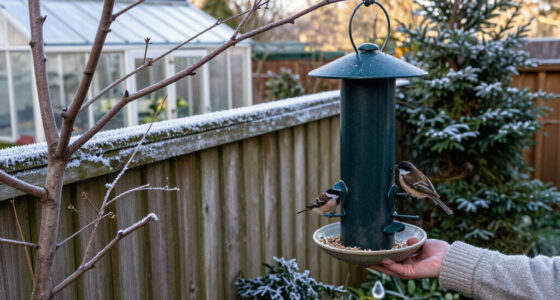
Unlike many songbirds that migrate south for winter, chickadees remain in their home regions, according to the report. Rinck says they form winter flocks and search for food and shelter. The species found in a yard depends on location: the report places Black-capped Chickadees across a broad northern range, Chestnut-backed Chickadees along the western coast, and Boreal Chickadees in northern conifer forests.
The report also notes that Carolina and Black-capped Chickadee ranges overlap in some areas. Mountain Chickadees are associated with western montane forests, while Mexican Chickadees occur in mountain ranges in Arizona and New Mexico and are mostly found in Mexico. These range descriptions are useful when choosing plants and interpreting sightings, but the article does not offer a local checklist for every state or region.
“Chickadees spend the winter in flocks searching for food and shelter, with some species up north enduring months of freezing temperatures.”
— Miranda Rinck, Engagement Support Specialist for Project FeederWatch at the Cornell Lab of Ornithology
No Visit Increase Is Measured
The source offers habitat recommendations, not results from a controlled study or a count of birds before and after the changes. It does not say how much these steps could increase sightings, how quickly birds might use newly created cover, or whether any single recommendation is more effective than another.
Local conditions also matter. The report describes several chickadee species with different ranges, but it does not identify which species will appear at any particular property. Its supplied text ends during the discussion of native planting, so further recommendations or qualifications from the original article are not available here.
Seasonal Yard Choices Ahead
Homeowners can apply the suggestions as seasonal maintenance decisions: avoid unnecessary heavy pruning in fall, retain a quiet brush pile where appropriate, leave some leaves, and consider native trees suited to the local area. Anyone planting should select species appropriate to local conditions and follow relevant planting guidance.
Whether those changes bring more chickadees can only be judged over time through observation. The report provides no timetable or promised result; readers can watch for local species and note whether birds use the added cover or feeding habitat during winter.
Key Questions
What is the main recommendation for attracting winter chickadees?
The report recommends providing shelter and foraging habitat, especially by retaining dense native evergreens and shrubs, adding a brush pile, leaving some leaf litter and planting native trees.
Should I stop pruning trees in autumn?
The report advises against heavy fall pruning of native pines, spruces, firs and dense shrubs, particularly in sheltered areas. It says damaged, diseased or dead branches may be pruned and suggests postponing heavier trimming until late winter or early spring.
Why leave fallen leaves in the yard?
According to Cornell Lab of Ornithology specialist Miranda Rinck, leaf litter can support overwintering insects and provide places where insects lay eggs. Chickadees forage for insects and eggs, so leaving some leaves may help maintain a food source.
Will these changes guarantee more chickadee sightings?
No. The report presents habitat advice but gives no measured increase or guarantee. Results may depend on local species, existing habitat and other conditions.
Which chickadee species might live near me?
That depends on location. The report describes several species across North America, including Black-capped, Carolina, Boreal, Chestnut-backed, Mountain and Mexican chickadees; it does not provide a property-specific identification guide.
Source: rss