TL;DR

Get garden gear delivered free — and shop member deals
- Fast, free delivery on millions of items
- Access to Prime Big Deal Days deals on October 6–7
- Prime Video, Amazon Music and more included
Six key flowers are essential for feeding pollinators during summer and into early fall. Experts emphasize planting these to support bee, butterfly, and other pollinator populations. The development highlights the importance of native plants for ecosystem health.
Experts are urging gardeners to plant six specific flowers that serve as vital sources of nectar and pollen for pollinators from summer through to the first frosts. This advice aims to support declining pollinator populations, including bees and butterflies, which are essential for pollination and ecosystem health.
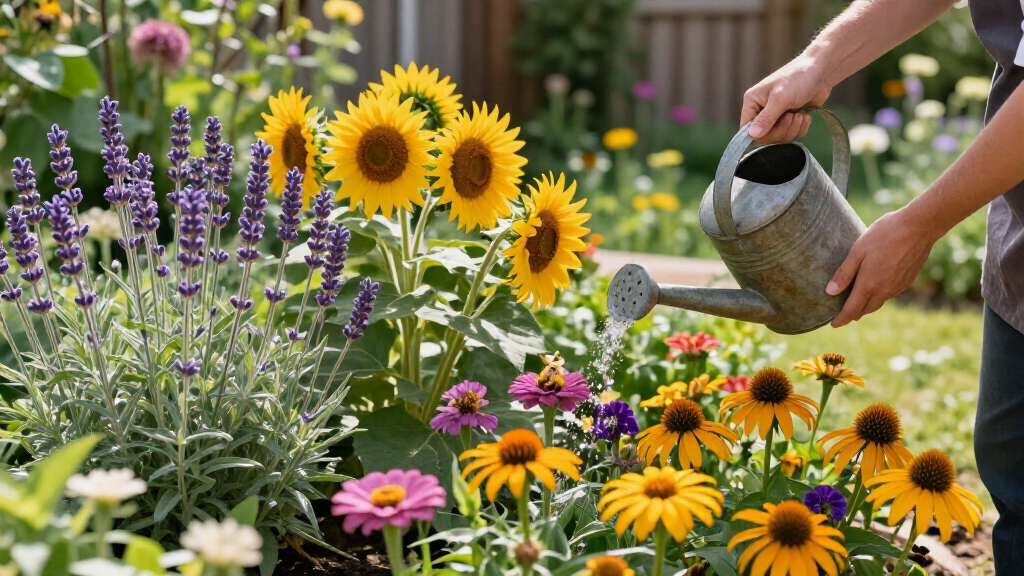
The recommended flowers include coneflowers, goldenrod, aster, bee balm, phlox, and milkweed. These plants are noted for their high nectar production and suitability for various pollinators. According to the Pollinator Partnership, planting these flowers can provide a critical lifeline for pollinators during the late summer and early fall months when natural food sources diminish.
Gardening experts highlight that these flowers are native to many regions and are well-adapted to local conditions, making them sustainable choices. They also contribute to maintaining biodiversity by supporting bees, butterflies, and other beneficial insects that are vital for pollination of crops and wild plants.
Why Supporting Pollinators with These Flowers Matters
Supporting pollinators with these six flowers is crucial because many pollinator species are experiencing population declines due to habitat loss, pesticide use, and climate change. These plants can help stabilize pollinator numbers, ensuring continued pollination services that are vital for food production and ecological balance. Experts warn that without targeted planting of such flowers, pollinator populations could face further decline, affecting biodiversity and agricultural productivity.
As an affiliate, we earn on qualifying purchases.
Recent Declines Highlight the Need for Native Plant Gardens
Over recent years, studies have documented significant declines in bee and butterfly populations worldwide. Habitat destruction, pesticide exposure, and climate change have reduced natural forage availability. In response, conservation groups and horticulturists emphasize planting native, nectar-rich flowers as a practical measure to support pollinator health. The current recommendations build on this approach, focusing on late-season blooms that provide critical resources when other sources are scarce.
“Choosing native flowers like goldenrod and aster not only benefits pollinators but also supports sustainable gardening practices.”
— Gardening expert Sarah Lopez
Uncertainties About Regional Variations and Plant Availability
It is not yet clear how region-specific variations in climate and native flora might influence the effectiveness of these six recommended flowers. Additionally, availability of certain native plants in nurseries can vary, potentially affecting gardeners’ ability to implement these recommendations widely.Monitoring Pollinator Responses and Promoting Native Planting Initiatives
Researchers and conservation groups plan to monitor pollinator populations in areas where these flowers are planted, assessing their impact over time. Gardeners and local authorities are encouraged to incorporate these plants into public and private landscapes. Future efforts may include educational campaigns and incentives to promote native planting practices, aiming to bolster pollinator resilience during critical feeding periods.
Key Questions
Why are these six flowers considered vital for pollinators?
They are high in nectar and pollen, providing essential food sources during late summer and early fall when other sources decline.
Are these flowers suitable for all regions?
While generally recommended, the effectiveness of these plants depends on regional climate and native flora compatibility. Local gardeners should consult regional planting guides.
Can planting these flowers help reverse pollinator declines?
Supporting native, nectar-rich plants can contribute to stabilizing pollinator populations, but it is one part of broader conservation efforts needed to address declines.
How can I incorporate these flowers into my garden?
Choose native varieties of coneflowers, goldenrod, aster, bee balm, phlox, and milkweed, and plant them in areas that receive adequate sunlight and well-drained soil.
Source: rss
Halloween Picks
halloween
As an affiliate, we earn on qualifying purchases.