TL;DR

Get garden gear delivered free with Prime
- Fast, free delivery on millions of items
- Prime Video, Amazon Music and more included
- Member-only deals all year
Gardening Know How’s report outlines how zip-up horticultural fleece jackets can help protect garden plants from frost, wind and snow. It says gardeners should choose a cover by its weight rating, balancing cold protection with the sunlight and airflow a plant needs.
Gardening Know How has published guidance on using zip-up frost jackets to protect garden plants through winter, highlighting that the covers’ weight rating affects both insulation and sunlight. The advice matters to gardeners preparing for cold weather because a heavier jacket may offer more frost protection but can also restrict light, making the right choice dependent on the plant and local conditions.
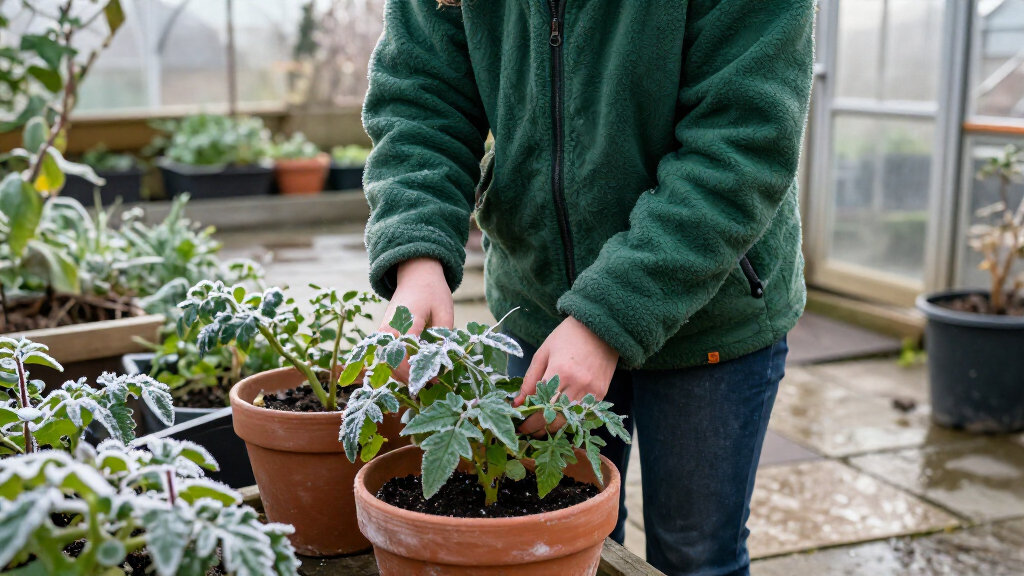
The report describes frost jackets as covers made from horticultural fleece, typically a non-woven material made from polypropylene. Jackets may have zippers for ventilation and drawstring bases to secure them around plants. The source says they can help shield vulnerable plants from frost, snow, sleet and strong winds, but does not present them as a guarantee against winter damage.
Fleece weight is measured in grams per square meter (gsm) or ounces per square yard. The report says medium-weight fleece, at 30–35 gsm, offers about 4°F of protection while letting through roughly 65% of sunlight. Heavy fleece, at 50–60 gsm, is described as providing about 7°F of protection and around 50% light transmission. Ultra-heavy fleece, at 70–100 gsm, is listed as providing about 8–10°F of protection while allowing roughly 20–30% of sunlight through. These are figures cited by the source, not guarantees for every product or weather condition.
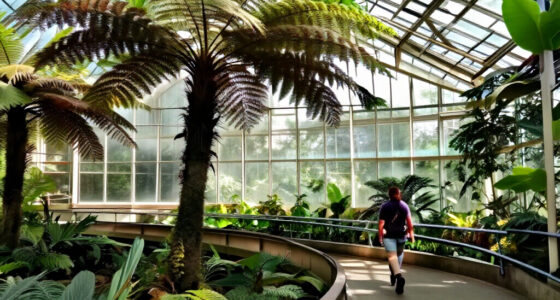
A lighter 17 gsm fleece is intended for short-term frost protection of late-season crops, according to the report. It lets through about 85% of sunlight and offers roughly 2°F of thermal protection. For dormant plants such as banana plants and tree ferns, the report recommends using fleece over insulating straw in colder areas; it cautions that the cover alone may not be enough in deep cold. It also suggests temporary overnight covering for the flower buds of early-blooming shrubs during a frost.
Choosing Protection Without Blocking Light
The guidance addresses a practical winter-gardening trade-off: more insulation can mean less sunlight. That distinction is especially relevant when a cover will stay on for an extended period. The report recommends medium-weight fleece for evergreen plants that still need light and airflow, while heavier covers may suit dormant deciduous plants that have shed their leaves.
It also highlights several kinds of potential damage beyond frost. According to Gardening Know How, covers may help protect brittle branches from snow, reduce wind and rain exposure, and shield young fruit trees’ thin bark from splitting in freezing conditions. These are described as possible benefits; the source does not quantify how much damage a jacket prevents. Gardeners should treat the weight figures as selection guidance and consider their local temperatures, plant needs and the product’s own instructions.
Popular right now

Sony BRAVIA 5 85-Inch Mini LED 4K HDR Smart TV (K-85XR50)

Shark PowerPro Reveal Plus Cordless Vacuum Cleaner, Charcoal, IZ376H

TCL T7 Series 85-Inch 4K 144Hz QLED Smart Google TV
As an affiliate, we earn on qualifying purchases.
Fleece Ratings and Plant Needs
The source frames frost jackets as one part of a wider winterizing plan rather than a universal solution. It says tender plants such as banana plants, tree ferns, olive trees, citrus and some palms may benefit from protection, with the required cover depending on the climate and whether the plant needs light while covered.
For evergreen plants, the report advises retaining access to light and fresh air. If a heavier jacket is used on a tender evergreen, it recommends opening the zipper on milder days or using the heavy cover as an additional layer during severe weather. For deciduous shrubs, it says a heavier jacket may be suitable because the plants have dropped their leaves, and a zip can allow ventilation when conditions ease. The source gives no product-independent testing details for the temperature ratings.
“The higher the number, the more insulation it will provide but also block more sunlight.”
— Gardening Know How
Limits of the Published Ratings
The source does not provide a publication date, identify specific weather trials behind its temperature estimates, or say how performance varies with wind, moisture, installation or product design. The stated protection levels should not be read as a promise that a plant will remain safe at a particular temperature. It is also not clear which climate zones or individual plant varieties were used to establish the recommendations. Gardeners should check a cover’s label and follow its instructions, while considering local forecasts and the plant’s specific needs.
Check Covers Before Cold Snaps
The report offers seasonal guidance rather than announcing a product launch or a scheduled follow-up. Gardeners preparing for colder weather can check the fleece rating on a jacket’s label or online listing, compare it with the plant’s need for light, and make sure a cover can be ventilated where necessary. Before frost is forecast, the source’s recommendations point to matching the cover to the plant and using additional insulation for vulnerable plants in colder conditions. No further development or official update is specified.
Key Questions
What do the weight ratings on frost jackets mean?
Fleece weight indicates insulation and light transmission, according to Gardening Know How. Its guidance lists medium fleece at 30–35 gsm, heavy fleece at 50–60 gsm and ultra-heavy fleece at 70–100 gsm; higher weights offer more stated frost protection but let in less sunlight.
Can a frost jacket protect a plant in deep cold?
Not necessarily. The report says fleece alone may not protect banana plants and tree ferns from deep cold in colder zones, and recommends wrapping insulating straw around those plants before adding a cover.
Which plants may benefit from a frost jacket?
The report names tender plants such as banana plants, tree ferns, olive trees, citrus and some palms, as well as early-flowering shrubs whose buds may be damaged by a late frost. The suitable cover depends on local conditions and the plant’s needs.
Should a frost jacket stay closed all winter?
Not always. Gardening Know How advises choosing a jacket with a zipper so it can be opened on milder days to allow airflow. Evergreen plants also need sunlight, so the report recommends considering a medium-weight cover or ventilating a heavier one.
Source: gardeningknowhow.com