TL;DR

Get garden gear delivered free with Prime
- Fast, free delivery on millions of items
- Prime Video, Amazon Music and more included
- Member-only deals all year
A gardener writing for Amateur Gardening says summer heat and drought in south-east England damaged many crops, while containers, figs and grapes performed well. He plans to grow fewer annual vegetables and flowers and add more perennial fruit, though next year’s weather and results remain uncertain.
A gardener writing for Amateur Gardening says heat and drought in south-east England made it difficult to keep many plants alive, but figs, grapes and some container-grown crops fared well. The contributor, identified as Bob, plans to grow fewer annual vegetables and flowers and plant more perennial fruit, a response to a season he says may become more common.
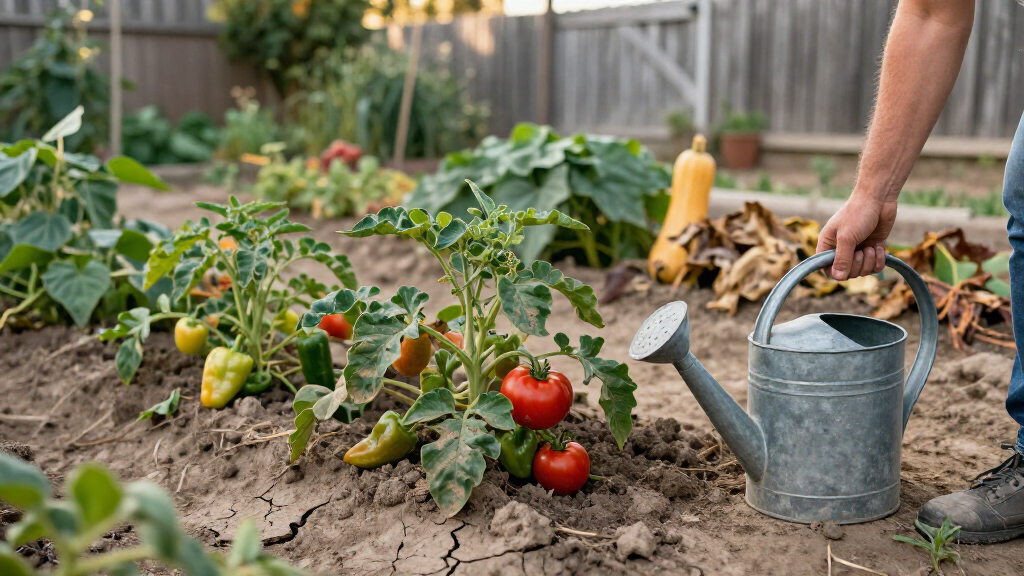
Bob describes carrying water to his vegetable plot and says the effort did not prevent many crops and flowers from failing. He reports that watering the surrounding ground was ineffective as it dried quickly, and that conditions became harder after a hosepipe ban. He says his soil had been improved over decades and mulched, but those measures did not save every plant.
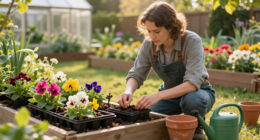
Containers were among the season’s winners, according to the report, because they retained water better than the surrounding ground. In beds, Bob had more success with tomatoes and squashes when he directed water to their roots using plastic bottles as funnels. He also reports that dry air and strong sun supported some growth and that there were fewer slugs than he had expected.
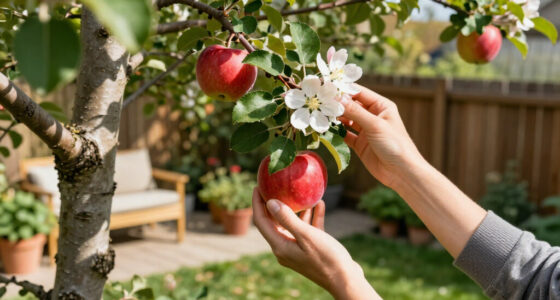
Harvest results varied by crop and timing. Onions, garlic and the first potatoes benefited from moisture left by a wetter winter, while later berries, blackberries and some tree fruit disappointed. Bob describes the figs as “sublime” and says grapes grew in abundant clusters. These are his observations from one garden and one season, not a controlled comparison of varieties or growing methods.
How the Season Changed His Crop Plans
The report offers a practical account of how a dry season affected one gardener’s decisions, rather than evidence that particular crops will reliably withstand future heat. Its most useful takeaway is that water access and retention mattered: containers and targeted watering helped some plants, while open ground dried out despite significant effort.
For readers planning next year’s garden, the account highlights a trade-off. Perennial fruits can remain in place across seasons, while annual vegetables require planting again each year; but the report does not establish that perennials will outperform annuals in every garden or climate. Bob’s proposed shift toward berries, apricots and grapes is a personal response to his harvest, and local conditions will affect what grows successfully.
heat-tolerant garden seeds for hot summers
As an affiliate, we earn on qualifying purchases.
As an affiliate, we earn on qualifying purchases.
A Dry Season in South-East England
Bob places the poor harvest in a summer of extreme heat and drought in south-east England. He says the dry conditions were already difficult before a hosepipe ban and harder afterward. The report gives no dates, rainfall totals, temperatures or details of the specific ban, so it does not quantify how the season compared with other years.
Some crops were helped by earlier conditions: the writer says a wetter winter left soil moisture that supported early onions, garlic and potatoes. That contrast helps explain why the harvest was uneven. Early fruit did well, while some later fruit was smaller or damaged, according to Bob. The account is a gardener’s retrospective, not a regional crop survey.
““Containers were for me, the winners.””
— Bob, the Amateur Gardening contributor
What One Garden Cannot Establish
The report does not identify the exact location of Bob’s garden, provide measured weather data or compare crop yields across multiple years. It is not clear how much water he used, which container sizes or soil types he tested, or which specific varieties produced the reported results beyond the grape varieties he recommends for planting.
Bob says similar or worse seasons may happen more often, but the article does not present climate data to assess that forecast. It also remains unknown whether next year will bring comparable heat or drought, or whether the recommended fruits will perform well in other gardens. The account should be read as one gardener’s experience, not a guarantee of future results.
Planting Choices for Next Year
Bob says he intends to reduce annual vegetables and flowers, except for early crops and plants he can grow in containers, and to add more perennial fruit. He recommends currants, berries, apricots and grapes, naming ‘Siegerrebe,’ ‘Suffolk Red,’ ‘Regent’ and ‘Boskoop Glory’ as grape varieties to consider. He says the period after the growing season is suitable for planting, but provides no detailed planting instructions.
The next measure of how well the change works will be the following harvest, when weather conditions and crop performance can be compared with this season’s experience. The report does not say whether Bob will track yields or water use, or whether he will publish a follow-up.
Key Questions
Which plants did well in Bob’s garden?
Bob reports success with figs and grapes, as well as some plants grown in containers. Tomatoes and squashes also benefited when he directed water to their roots.
Which crops struggled?
He says later berries and blackberries were disappointing, and that plums, apples and pears were small or affected by worms. Many flowers and other crops also failed amid the heat and lack of water.
Why did containers perform better?
Bob says containers held water better than the dry ground around them. He does not provide measurements or a controlled comparison, so the result reflects his garden’s experience.
What does Bob plan to grow next year?
He plans to grow fewer annual vegetables and flowers, while adding more perennial fruits, including currants, berries, apricots and grapes.
Source: rss
Halloween Picks
halloween
As an affiliate, we earn on qualifying purchases.