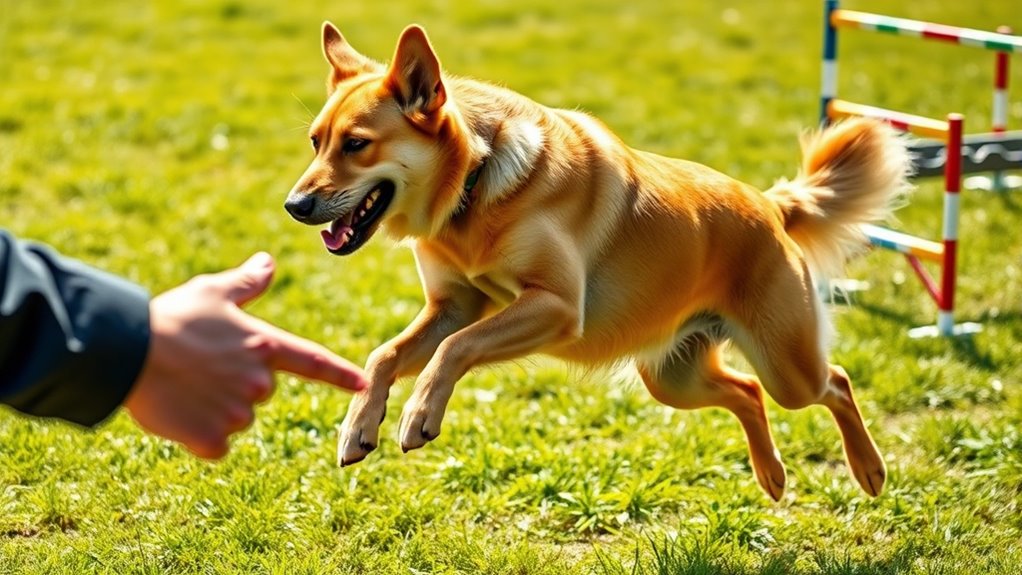

To train your pet to respond to emergency commands, use simple, consistent words like “come,” “stay,” or “leave it,” and practice in different environments with distractions. Keep sessions short and positive, rewarding quick responses with praise or treats. Gradually increase challenges to make sure they’re calm and responsive during real emergencies. With patience and regular practice, you’ll build a reliable response that can make a difference when it matters most—learn more to keep your pet safe.

Get garden gear delivered free — and shop member deals
- Fast, free delivery on millions of items
- Access to Prime Big Deal Days deals on October 6–7
- Prime Video, Amazon Music and more included
Key Takeaways
- Use simple, distinct commands like “come,” “stay,” and “leave it” consistently during training.
- Practice commands in various environments and with distractions to simulate real emergency situations.
- Keep training sessions short, positive, and reinforce responses immediately with praise or treats.
- Incorporate realistic scenarios and helpers to prepare pets for chaotic or high-stress emergencies.
- Regularly reinforce and practice commands to ensure quick, reliable responses during actual emergencies.

Training your pets to respond to emergency commands can be a lifesaving skill that guarantees their safety in critical situations. When emergencies happen, quick and clear communication can make all the difference. By teaching your pet specific commands, you’re not only enhancing their safety but also improving your overall emergency preparedness. This training is particularly important because it enables you to act swiftly, whether during a sudden injury or a hazardous situation, and can even assist in veterinary first aid efforts.
Start by selecting simple, distinct commands that your pet can easily understand and remember. Commands like “come,” “stay,” “leave it,” and “go to your crate” are essential during emergencies. Consistency is key, so use the same words and tone each time you train. Remember to keep training sessions short and positive to maintain your pet’s focus and enthusiasm. When your pet responds correctly, reward them immediately with praise, treats, or affection, reinforcing the behavior. Over time, your pet will associate these commands with safety and trust, making it more likely they’ll obey when it counts most.
Incorporate emergency scenarios into your training regimen. Practice commands in different settings, gradually increasing distractions to simulate real-life chaos. For example, have someone help you simulate a situation where your pet needs to leave a tempting object or area, and use your emergency commands. This prepares your pet for unpredictable situations, helping them stay calm and responsive. Training in this manner also complements veterinary first aid knowledge, as it prepares your pet to remain calm and cooperative during medical interventions or transport.
Emergency preparedness isn’t just about having a first aid kit; it’s about ensuring your pet’s behavior supports your response efforts. When your pet reliably responds to commands like “come” or “stay,” you can quickly secure them if there’s a fire, natural disaster, or accidental escape. Teaching these commands also reduces stress during emergencies, as your pet is less likely to panic or run off. Remember, patience and consistency are essential. Some pets may pick up commands faster than others, but the key is regular practice and positive reinforcement.
Ultimately, training your pet to respond to emergency commands is an ongoing process that greatly enhances their safety. It’s a crucial component of overall emergency preparedness and complements your knowledge of veterinary first aid. When every second counts, having a responsive pet can prevent injuries, reduce chaos, and help you manage crises more effectively. By dedicating time to this training, you’re building a safer environment for your furry friend and giving yourself peace of mind, knowing you’re prepared for whatever emergencies might arise.
dog emergency command training clicker
As an affiliate, we earn on qualifying purchases.
As an affiliate, we earn on qualifying purchases.
Frequently Asked Questions
How Long Does It Typically Take to Train a Pet for Emergency Commands?
Training your pet for emergency commands usually takes a few weeks to a few months, depending on the dog’s age, breed, and temperament. Consistency factors heavily into the training duration; daily practice and clear commands help your pet learn faster. Keep sessions short and positive, and be patient. With dedication and regular reinforcement, your pet can respond reliably in emergency situations within this timeframe.
Are Certain Breeds Better Suited for Emergency Response Training?
Certain breeds are better suited for emergency response training; for example, German Shepherds excel due to their intelligence and agility. Notably, studies show that breed suitability impacts training success by up to 30%. To achieve the best results, maintain consistent training sessions. Your choice of breed combined with consistent training enhances your pet’s responsiveness, ensuring they’re prepared for emergencies when needed most.
What Should I Do if My Pet Doesn’T Respond Consistently?
If your pet doesn’t respond consistently, you should review your motivation strategies and reinforcement techniques. Make training sessions short, positive, and rewarding to boost your pet’s motivation. Use treats, praise, or toys to reinforce desired responses immediately. Consistency is key—practice regularly and stay patient. Adjust your approach if needed, ensuring your pet understands what’s expected. Over time, these strategies help improve responsiveness during emergency situations.
Can Emergency Command Training Be Effective for Older Pets?
Emergency command training for older pets is like polishing a treasured gem; it’s never too late. With patience, you can see good results through consistent senior pet training and command reinforcement. Older pets might take longer to learn, but they can still respond effectively. Keep sessions positive, short, and frequent, and you’ll help your pet stay safe and responsive, no matter their age.
How Can I Prevent My Pet From Becoming Desensitized to Commands?
You can prevent your pet from becoming desensitized to commands by using positive reinforcement and keeping training sessions engaging. Make sure to vary commands and rewards, and use gradual exposure to new environments or stimuli. This approach keeps your pet attentive and motivated, preventing boredom or complacency. Consistently reinforcing commands in different contexts helps maintain their responsiveness, ensuring your pet stays alert and enthusiastic to respond when it truly matters.
Conclusion
By gently guiding your pet through emergency commands, you’re planting seeds of trust and understanding. With patience and consistency, you’ll nurture a bond that acts as a guiding light in moments of uncertainty. When your furry friend responds swiftly, it’s like a quiet whisper of reassurance amid a storm. Together, you create a harmony that turns chaos into calm, ensuring your pet’s safety and your peace of mind in life’s unpredictable dance.
Fall Picks
fall essentials
As an affiliate, we earn on qualifying purchases.