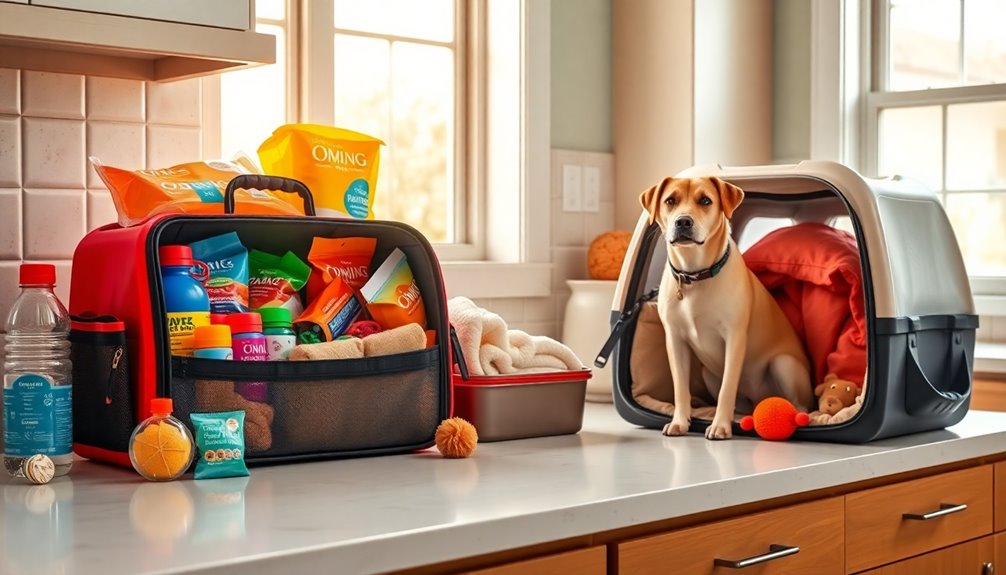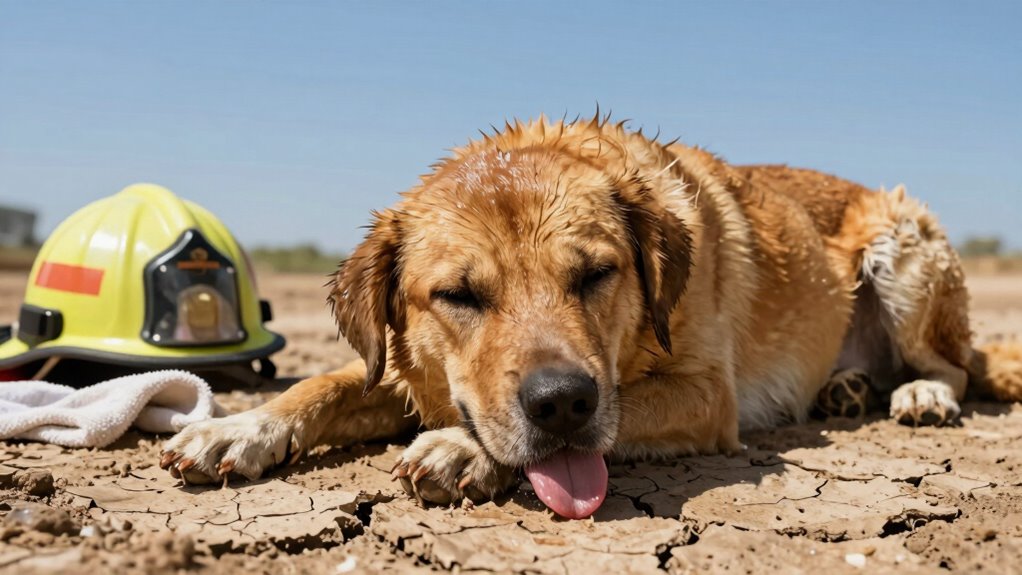

During heat waves, many owners overlook the critical recovery window after their working dog shows signs of heat stress. Acting quickly by moving your dog to shade, offering water, and cooling them down can prevent serious health issues. Monitor their temperature and behavior closely for hours afterward, as proper recovery is crucial. If you want to guarantee your dog fully bounces back, understanding these key steps can make all the difference.

Get garden gear delivered free — and shop member deals
- Fast, free delivery on millions of items
- Access to Prime Big Deal Days deals on October 6–7
- Prime Video, Amazon Music and more included
Key Takeaways
- Early intervention during initial signs of heat exhaustion can prevent rapid deterioration in working dogs.
- Immediate cooling and hydration are critical within the recovery window to stabilize body temperature.
- Recognizing subtle symptoms like excessive panting and disorientation helps owners act promptly.
- Delayed response increases risk of severe heat stroke and long-term health issues.
- Monitoring recovery over hours ensures sustained stability and prevents relapse.
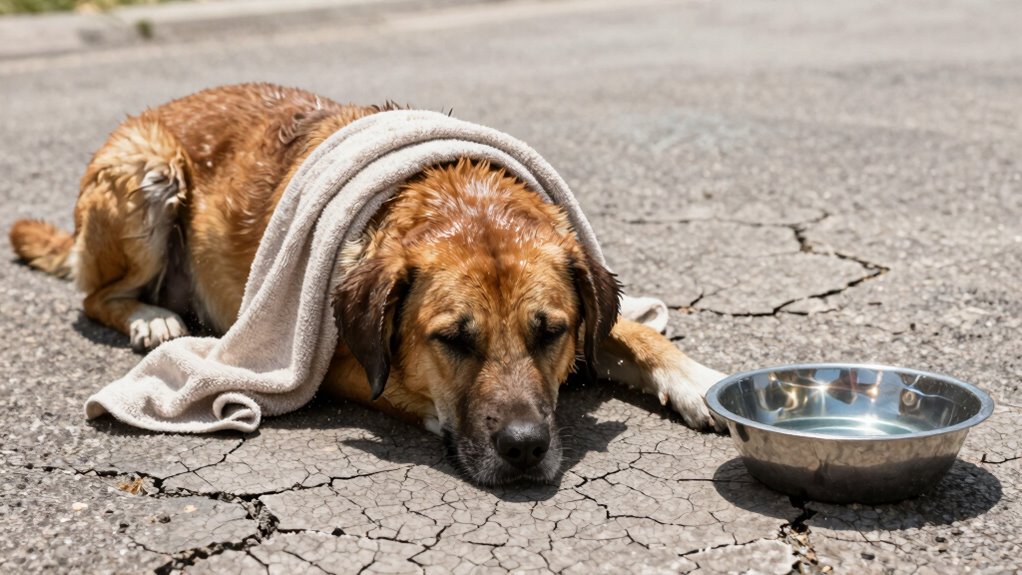
Have you ever wondered how working dogs stay safe during extreme heat? It’s a question many owners overlook, especially when their dogs are out in the field, on patrol, or assisting in rescue missions. The truth is, heat waves can be dangerous for these animals, and understanding how to keep them safe involves more than just providing water. It’s about implementing effective hydration strategies and recognizing the signs of heat exhaustion early to prevent serious health issues.
Hydration strategies are crucial during hot weather. As the temperature rises, your dog’s body works harder to regulate its temperature, leading to increased water loss. You should always have fresh water available and encourage your dog to drink regularly, not just when they seem thirsty. Using cool, water-filled bowls or even adding ice cubes can help keep water appealing. Some handlers even use electrolyte solutions designed for dogs, which can replenish lost minerals and boost hydration. It’s important to monitor your dog’s water intake closely, especially during strenuous activity, to avoid dehydration, which can progress rapidly and cause serious health problems. Additionally, understanding a dog’s heat tolerance can help you better manage their activity levels during high temperatures. Being aware of your dog’s individual ability to tolerate heat is essential for preventing heat-related emergencies. Recognizing environmental factors that influence heat risk can further aid in planning safer work conditions. Incorporating knowledge about heat stress signs can help owners respond promptly to potential emergencies. Regularly assessing your dog’s physical condition and adjusting work routines accordingly can also reduce the risk of heat-related issues.
Heat exhaustion prevention isn’t just about water; it’s about managing activity levels and environment. During heat waves, you should limit strenuous activity, especially during the hottest parts of the day. Instead, schedule work sessions for early morning or late evening when temperatures are cooler. Make sure your dog has access to shaded areas at all times, and consider using cooling vests or mats to help regulate their body temperature. It’s equally vital to watch for early signs of heat exhaustion, such as excessive panting, drooling, weakness, or disorientation. Recognizing these symptoms early allows you to act quickly before conditions worsen.
Many owners miss the recovery window that exists after a dog shows signs of heat stress. Once symptoms appear, your dog’s condition can deteriorate rapidly if not addressed immediately. The key is to act fast—bring them to a shaded area, offer water, and cool them with wet cloths or fans. But the most overlooked aspect is understanding that recovery doesn’t happen instantly. It can take time for your dog’s body to stabilize, and rushing recovery efforts can sometimes cause more harm. Restoring hydration levels gradually and monitoring their behavior are essential steps. Keep a close eye on their temperature and behavior over the next few hours, and seek veterinary assistance if symptoms worsen or persist. Being knowledgeable about heat recovery protocols can improve your response and outcome in emergency situations.
In the end, staying vigilant about hydration strategies and heat exhaustion prevention can make all the difference. Your working dog’s safety depends on proactive care, especially when the heat is relentless. Recognizing and respecting the recovery window ensures your dog remains healthy and ready for the next job.
dog cooling vest for heat exhaustion
As an affiliate, we earn on qualifying purchases.
As an affiliate, we earn on qualifying purchases.
Frequently Asked Questions
How Can I Tell if My Working Dog Is Overheating?
You can tell if your working dog is overheating by watching for signs like excessive panting, drooling, or weakness. Check their gums—if they’re red or dry, it’s a concern. Use cooling techniques like a damp towel or fans, and guarantee hydration strategies are in place, offering water frequently. If symptoms worsen, remove your dog from the heat immediately and seek veterinary care to prevent heatstroke.
Are Certain Breeds More Vulnerable During Heat Waves?
During heat waves, you should know that certain breeds, like Bulldogs and Basset Hounds, are more vulnerable due to their breed susceptibility. Think of them as the vintage radios of the dog world—less resilient to heat. These breeds typically have lower heat resilience, making them prone to overheating faster. Always monitor them closely, provide plenty of shade and water, and avoid strenuous activity during peak heat hours.
What Are the Long-Term Effects of Heat Stress on Working Dogs?
Heat stress can cause long-term effects like kidney damage, cardiovascular issues, and nerve damage in your working dog if not properly managed. You might notice persistent fatigue or behavioral changes later on. To prevent this, implement effective recovery strategies, such as cooling down properly and providing hydration. Recognizing early signs and ensuring adequate recovery time helps protect your dog’s health and keeps them performing at their best over the long term.
How Often Should I Check My Dog During High Temperatures?
You should check your dog frequently during high temperatures, ideally every 15 to 20 minutes. Use hydration strategies like offering cool, fresh water regularly and cooling techniques such as a damp cloth or cooling vest. Keep an eye on signs of overheating, like excessive panting or lethargy, and make sure your dog has a shaded, cool resting spot. Frequent checks help prevent heat stress and keep your working dog safe.
Can Specific Training Help Prevent Heat-Related Issues?
Studies show that properly trained dogs are 30% better at managing heat stress. Specific training can indeed help prevent heat-related issues by conditioning your dog to recognize signs of overheating and encouraging behaviors like seeking shade or water. Incorporate hydration protocols into their routine and consider breeding considerations, as some breeds are more prone to heat stress. Training enhances their awareness and response, reducing the risk of heat exhaustion during hot weather.
Conclusion
As the sun blazes unforgivingly, remember that your working dog’s recovery window is like a fragile bloom in a scorching desert—easily withered if overlooked. By recognizing the signs and giving them time to heal, you’re watering their resilience and ensuring they bloom back stronger than ever. Don’t let the heat’s harsh glare fade their spirit; instead, be the gentle rain that nurtures their strength through the heat wave’s storm.
Fall yard work Picks
leaf blowers
As an affiliate, we earn on qualifying purchases.