Your cellular booster can do a lot, but placement is key. To get the best signal, find spots near windows or higher areas where outside signals are stronger. Experiment with different locations, avoiding thick walls or metal objects that block signals. Choosing the right antenna type and testing your setup helps optimize performance. If you’re willing to explore more tips, you’ll discover how proper placement can make all the difference for reliable coverage.

Get garden gear delivered free — and shop member deals
- Fast, free delivery on millions of items
- Access to Prime Big Deal Days deals on October 6–7
- Prime Video, Amazon Music and more included
Key Takeaways
- Proper placement ensures the booster captures strong outside signals for effective indoor coverage.
- Testing different locations helps identify the optimal spot for maximum signal improvement.
- Positioning near windows or higher areas reduces interference from obstacles and building materials.
- Choosing the right antenna type and adjusting placement minimizes signal interference and enhances performance.
- Environmental factors like walls, metal objects, and electronics impact signal quality and should guide booster positioning.
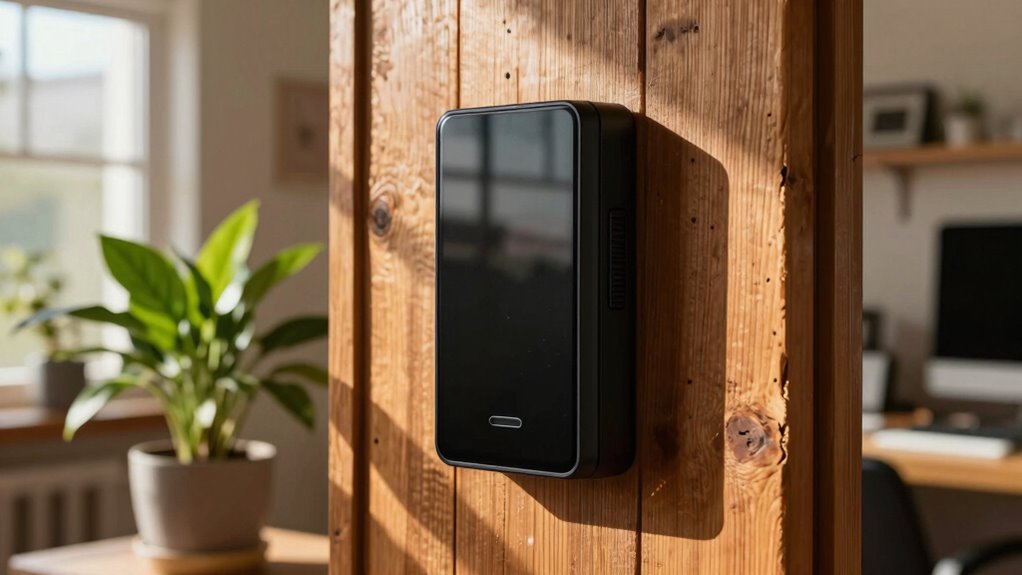
Cellular boosters can substantially improve your signal strength, but their effectiveness depends largely on where you place them. The right placement ensures the booster can pick up a strong signal from outside, amplify it, and broadcast it clearly inside your home or office. If you position the booster incorrectly, you might not see much improvement, regardless of how advanced the device is. It’s essential to understand that the type of antenna you use also plays a significant role in the booster’s performance. Different antenna types—like omni-directional or directional—are designed for specific environments. Omni-directional antennas broadcast signals in all directions, making them suitable if you’re unsure where the strongest signal source is. Directional antennas, on the other hand, focus their signal in a specific direction, which can be more effective if you know where the nearest cell tower is located. Choosing the best antenna type for your setup can minimize signal interference and maximize your booster’s capabilities.
Signal interference is another factor that impacts how well your cellular booster works. Household electronics, thick walls, metal objects, and even neighboring networks can interfere with your signal, reducing the booster’s efficiency. When placing your booster, avoid areas cluttered with electronic devices or metal furniture, as these can cause signal distortion. Placing the antenna close to windows or in higher locations can help reduce interference and improve reception. Keep in mind that placing the antenna too close to the source of interference can actually weaken the signal it receives, so some experimentation might be necessary to find the optimal spot. Additionally, understanding how signal interference affects performance can help you make better placement choices. Being aware of environmental factors can further enhance your setup’s effectiveness. Recognizing the impact of obstacles on signal quality is crucial for optimal booster placement, and considering building materials can also make a difference in signal propagation.
Furthermore, considering signal strength testing can help identify the best placement for your booster to ensure maximum coverage.
As an affiliate, we earn on qualifying purchases.
Frequently Asked Questions
How Do I Know if My Booster Is Compatible With My Carrier?
You can determine if your booster is compatible with your carrier by checking its specifications and ensuring it supports your carrier’s frequency bands. Look for carrier compatibility details on the booster’s packaging or manufacturer’s website. Confirm that the booster works with your carrier’s specific network type (like LTE or 5G). If unsure, contact your carrier or the booster manufacturer to verify compatibility, avoiding any potential issues with performance.
Can Multiple Boosters Interfere With Each Other?
Ever wonder if multiple boosters can interfere with each other? They can, especially if placed too close. Interference concerns arise when boosters overpower each other, causing signal disruptions rather than improvements. To avoid this, you should space out your boosters adequately and guarantee they target different areas or frequencies. Proper booster placement is key—placing them strategically helps prevent interference and maximizes your cellular signal strength, giving you a seamless connection.
What Is the Best Time of Day to Test Signal Strength?
The best time of day to test signal strength is during ideal testing times, typically when network activity is lower, such as early mornings or late evenings. Signal fluctuation patterns tend to stabilize then, giving you more accurate readings. Avoid testing during peak hours when congestion can cause inconsistent results. By choosing these times, you get a clearer picture of your booster’s true performance and can maximize placement effectively.
How Often Should I Update or Replace My Booster?
You should update or replace your booster every 1 to 3 years for ideal signal maintenance and booster longevity. Regular checks ensure it’s functioning correctly and adapting to any network changes. If you notice reduced signal strength or connectivity issues, it’s time for an upgrade or maintenance. Keeping your booster in good condition helps prolong its lifespan, maintains consistent signal quality, and guarantees you get the best coverage possible.
Are There Legal Restrictions on Booster Placement Indoors?
Yes, there are legal restrictions on booster placement indoors. You must follow indoor regulations and placement guidelines to guarantee safety and compliance. Avoid placing your booster near sensitive electronics or in areas prone to overheating. Make sure it’s positioned in a central, open spot to maximize coverage without causing interference. Always check local building codes and manufacturer instructions to stay within legal limits and optimize your booster’s performance safely.
Conclusion
Remember, a booster alone isn’t enough—placement is everything. You need to find the right spot, the ideal height, and the best distance from walls or obstructions. Position it correctly, test frequently, and adjust as needed. Because when you prioritize placement, you maximize signal strength, minimize dead zones, and truly get the most out of your booster. Your connection improves, your frustration decreases, and your communication becomes clearer—because placement isn’t just important; it’s everything.
Halloween Picks
halloween
As an affiliate, we earn on qualifying purchases.