To save time and reduce stress during a rural blackout, guarantee your emergency supplies are stocked with water, non-perishables, flashlights, batteries, and a backup power source for medical devices. Communicate your plan with family and neighbors, and keep emergency contacts handy. Unplug electronics and monitor temperatures to protect your food. Stay informed through battery-powered radios and community alerts. Preparing these steps now helps you respond smoothly—continue on to discover more handy tips for quick, safe recovery.
Key Takeaways
- Maintain a well-stocked emergency kit with essentials and regularly update supplies for quick access.
- Establish clear communication plans with family and neighbors for coordinated response.
- Turn off appliances and minimize fridge openings to preserve power and prevent surges during restoration.
- Stay informed through battery-powered radios and community alerts to reduce uncertainty and stress.
- Prepare for extended outages by understanding local response protocols and environmental conservation practices.

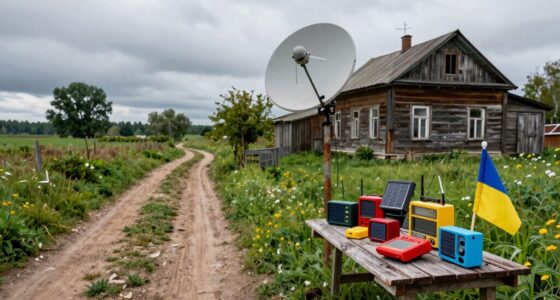
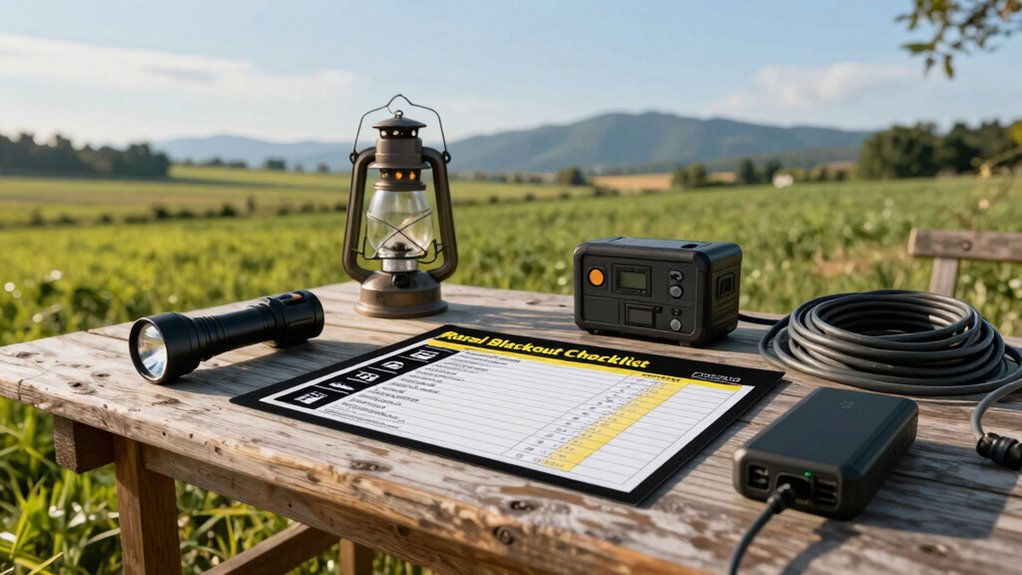
When a rural blackout hits, being prepared can make all the difference. You need to have a clear plan in place to handle the situation efficiently, reducing stress and avoiding unnecessary delays. Your first step is to review your emergency preparedness supplies. Keep a well-stocked kit with essentials like bottled water, non-perishable food, flashlights, batteries, a portable charger, and a first aid kit. Make sure your phone is charged and consider investing in a battery-powered or hand-crank radio to stay updated on local information and power restoration efforts. Having these supplies ready means you won’t waste time scrambling when the lights go out, allowing you to focus on staying safe and comfortable.
Next, verify your communication plan is solid. Let family members or neighbors know your plan for power outages and establish a way to check on each other if needed. Keep emergency contact numbers readily accessible, and consider creating a small written plan that outlines steps to take during a blackout. This way, everyone involved knows what to do, minimizing confusion and panic. If you rely on medical devices, confirm you have backup power sources or arrangements in place. Being proactive with emergency preparedness helps you respond swiftly, avoiding unnecessary delays during critical moments. Additionally, understanding home automation can help you remotely monitor and manage your smart appliances during outages, ensuring safety and convenience.
When the power goes out, your immediate goal is to stay safe and keep the situation under control. Turn off or unplug appliances and electronics to prevent power surges when electricity returns. Avoid opening your refrigerator or freezer unnecessarily—this helps preserve cold air and prolongs the freshness of your food. Keep a thermometer in your fridge and freezer to monitor temperature; if the freezer remains below 40°F for more than 48 hours, your food should still be safe. If you experience a prolonged outage, plan how you’ll stay warm or cool, depending on the weather, and consider alternate heating or cooling sources that are safe to use indoors. Being aware of local climate patterns can help you better prepare for extreme weather conditions that might cause outages.
Furthermore, maintaining awareness of emergency response protocols specific to your area can facilitate faster recovery and resource allocation during extended outages.
The most critical part of your rural blackout checklist is understanding the process of power restoration. Stay informed through your battery-powered radio, utility alerts, or community notifications. Patience is key, as rural areas often take longer for power restoration due to their remote locations. When power begins to return, avoid rushing out to check electrical equipment or power lines; wait until authorities confirm it’s safe. Properly managing your expectations and staying updated prevent hazards and help you prepare for the next steps, whether that’s cleaning up or resuming daily activities. Moreover, biodiversity awareness can guide you in protecting local wildlife and natural resources during extended outages. Recognizing the importance of local ecosystems can also inspire conservation efforts during times of environmental stress caused by outages.

FosPower NOAA Emergency Weather Radio A1 7400mWh Solar Hand Crank (Orange)
- Power Bank Capacity: 7400mWh (2000mAh) portable power
- Multiple Charging Options: Crank, solar, and AAA batteries
- Built-in LED Lights: 4 LED reading light and 1W flashlight
As an affiliate, we earn on qualifying purchases.
As an affiliate, we earn on qualifying purchases.
Frequently Asked Questions
How Often Should I Update My Rural Blackout Checklist?
You should update your rural blackout checklist at least once a year or whenever you experience a power backup failure or communication issue. Regular updates guarantee your plan stays relevant and effective. Review your communication plan, test your power backup systems, and check supplies. Keep everything current so you’re prepared for any blackout, minimizing stress and saving time during an emergency. Regular updates make sure you’re ready when it counts.
What Are the Most Common Causes of Rural Blackouts?
Power lines often fall victim to weather disruptions like storms or heavy snow, causing rural blackouts. Tree branches can also sway into power lines during strong winds, leading to outages. Sometimes, equipment failures or fallen trees block access to lines. Think of weather disruptions as nature’s way of throwing a wrench in the works, reminding you to stay prepared and keep your blackout checklist handy for quick action.
How Can I Prevent Power Outages in Rural Areas?
To prevent power outages in rural areas, consider investing in renewable energy sources like solar panels or wind turbines, which can provide consistent backup power. Regular generator maintenance is essential to guarantee your backup system works when needed. Additionally, keep an eye on local weather forecasts, and create an emergency plan. Combining renewable energy with routine generator checks helps you stay resilient during outages, saving time and reducing stress.
What Emergency Supplies Are Essential During a Blackout?
Ever wonder what emergency supplies you need during a blackout? You should prepare an emergency kit with essentials like flashlights, batteries, and a portable charger. Don’t forget food storage—non-perishable items like canned goods and bottled water are crucial. Make sure to include a first aid kit and any necessary medications. Being prepared guarantees you stay safe, comfortable, and ready to handle unexpected power outages efficiently.
Who Should I Contact During a Rural Blackout Outage?
During a rural blackout, you should contact local emergency services and your utility provider immediately. Depend on community support by checking in with neighbors and sharing updates. Use communication strategies like radio or mobile phones if available, and keep a list of important contacts handy. Staying connected with community members and utility companies ensures you receive timely information and assistance, helping everyone stay safe and informed during the outage.
Conclusion
By following this rural blackout checklist, you’ll handle power outages with the ease of a seasoned pro. It’s like having a trusted map guiding you through unfamiliar terrain, reducing stress and saving time. Remember, being prepared isn’t just about quick fixes; it’s about peace of mind. Keep this checklist handy, stay calm, and face each blackout confidently—because, just like a lighthouse in a storm, your preparation will shine through when it counts most.