
To stay connected during disasters, you need a solid communication plan. Make sure your emergency contacts are current and accessible, including primary and backup options. Use multiple communication tools like text apps, group chats, and satellite phones to keep lines open even if infrastructure fails. Regular drills and clear protocols help your team respond quickly and stay informed. Continuing further, you’ll discover more strategies to guarantee everyone remains connected when it matters most.
Key Takeaways
- Establish and regularly update emergency contact lists with multiple primary and secondary contacts for all stakeholders.
- Incorporate diverse communication tools like secure messaging, cloud platforms, and traditional methods to ensure connectivity.
- Develop redundant backup options, such as satellite phones or radios, to maintain communication during infrastructure failures.
- Conduct regular drills and establish clear protocols for effective information sharing and issue escalation during crises.
- Build resilience by integrating versatile communication technology and maintaining trust through proactive planning and preparedness.

Creating an effective communication plan is essential for ensuring everyone stays informed and aligned throughout a project or initiative. When it comes to handling emergencies or disasters, having a clear strategy in place can make all the difference. One of the first steps is establishing reliable emergency contacts. Make sure every team member, stakeholder, and relevant authority has up-to-date contact information, including phone numbers, email addresses, and alternative ways to reach them. This way, if traditional channels fail, you still have backup options to stay connected. It’s crucial to identify primary and secondary contacts for each individual, so communication doesn’t break down if someone is unavailable or unreachable. Keep this contact list accessible and regularly review it to ensure accuracy.
Establish reliable emergency contacts and regularly update them to ensure seamless communication during crises.
Along with emergency contacts, leveraging effective communication technology is vital. In a disaster, conventional methods like landlines or face-to-face meetings may become unreliable, so you should incorporate multiple communication tools. Text messaging apps, group chats, or dedicated emergency communication platforms can facilitate quick and widespread dissemination of information. Cloud-based collaboration tools, such as shared documents or project management software, allow everyone to stay updated in real-time, even if physical meetings are impossible. It’s also wise to have a prearranged communication hierarchy, so everyone knows who to contact or escalate issues to in different scenarios. This minimizes confusion and ensures critical messages aren’t delayed. Additionally, the use of Vetted security systems can provide secure channels for sensitive information during crises.
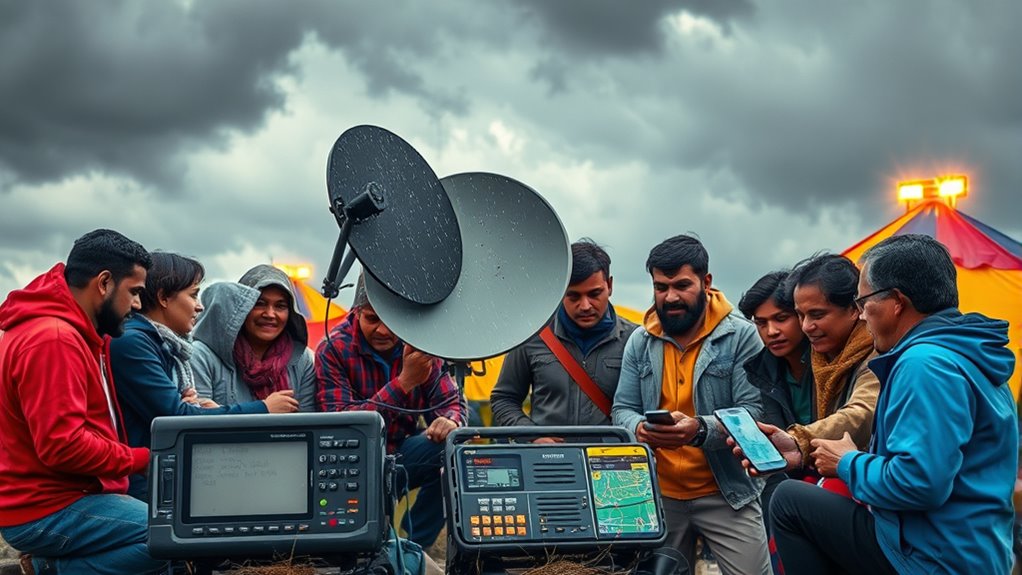
Designing your plan with redundancy in mind helps maintain connectivity during disruptions. For example, if internet access is compromised, satellite phones or radio communication can serve as vital backup options. Training your team on how to use these tools ensures everyone can operate them effectively when needed. Additionally, setting clear protocols about what information to share, when, and through which channels helps avoid misinformation and panic. Regularly practicing your communication procedures through drills or simulations prepares your team to respond swiftly when real emergencies occur.
Ultimately, your goal is to create a seamless flow of information that keeps everyone safe and informed, no matter the circumstances. By prioritizing comprehensive emergency contacts and integrating versatile communication technology, you build resilience into your disaster response. This proactive approach not only enhances safety but also reinforces trust within your team and stakeholders, ensuring that everyone is prepared to stay connected and respond effectively during crises.
Frequently Asked Questions
How Often Should Communication Plans Be Reviewed and Updated?
You should review your communication plan at least once a year to guarantee it remains effective. Conduct regular plan reviews, especially after any significant changes or emergencies, to identify areas needing improvement. Updating your plan promptly after each review helps keep information current and relevant. Staying proactive with plan updates ensures everyone knows their roles and communication channels, so you’re better prepared to stay connected during disasters.
What Are the Best Tools for Emergency Communication?
You should prioritize emergency apps and satellite phones as the best tools for emergency communication. Emergency apps provide instant updates and alerts, keeping you informed during crises. Satellite phones ensure you stay connected even when cellular networks fail. Keep both on hand, test them regularly, and guarantee everyone in your team knows how to use them. These tools help you maintain vital communication lines during disasters, enhancing safety and coordination.
How Can Non-Technical Staff Effectively Use Communication Plans?
You can master communication plans by keeping community engagement simple and focusing on message clarity. When disaster strikes, don’t get overwhelmed; instead, use straightforward language, follow established procedures, and stay calm. Practice regularly, ask questions, and leverage available tools. Your clarity will cut through chaos like a hot knife through butter, ensuring everyone stays informed and connected. Remember, effective communication saves lives—so stay prepared and confident in your role.
What Privacy Concerns Are Associated With Disaster Communication Plans?
You should be aware that disaster communication plans can raise privacy concerns, especially if sensitive data isn’t safeguarded. To keep data privacy intact, use data encryption for messages and stored information. This ensures confidential details stay secure during emergencies. Also, limit access to sensitive information to authorized personnel only, reducing the risk of data breaches. Protecting privacy helps maintain trust and complies with legal standards during disasters.
How to Ensure Communication Plans Are Inclusive for All Community Members?
To guarantee your communication plans are inclusive, you need to address cultural barriers, language accessibility, and technology gaps. You should provide multilingual resources, involve diverse community representatives, and use multiple communication channels. You need to listen to community needs, adapt messages respectfully, and make certain everyone has access. You must foster trust, promote understanding, and create a sense of belonging—so all community members stay connected, informed, and empowered during disasters.
Conclusion
Staying connected during disasters is vital, and having a solid communication plan guarantees you’re never left in the dark. Keep your lines open, share information quickly, and stay informed. Remember, “a chain is only as strong as its weakest link,” so work together and communicate clearly. By preparing now, you’ll be better equipped to handle emergencies and protect those you care about. Don’t wait—good communication can make all the difference when it counts most.