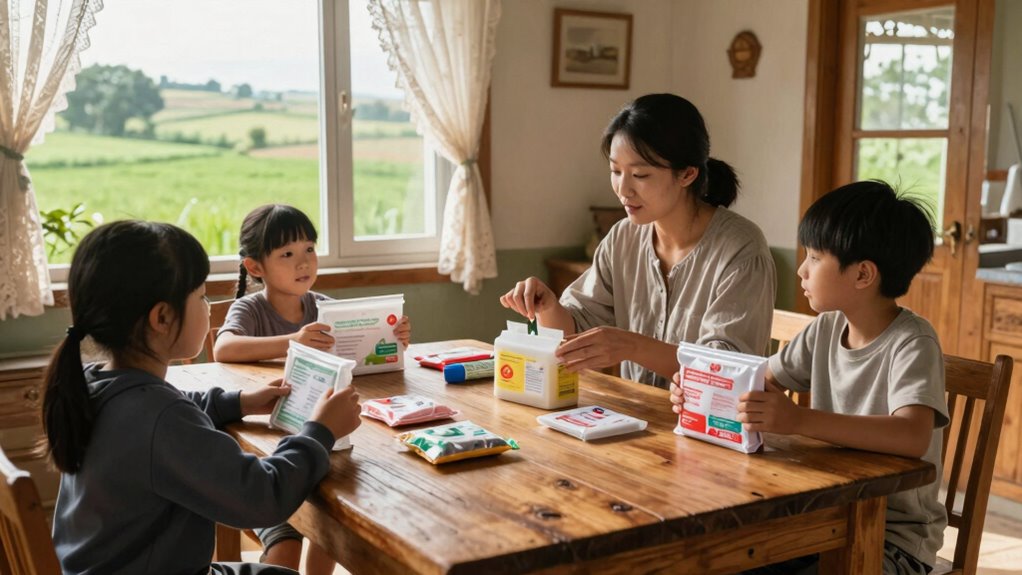

Practicing shelter-in-place drills helps you understand how to stay safe during emergencies, especially when help may be slow to arrive. It builds your confidence, keeps your family calm, and shows you how to use emergency supplies effectively. In rural areas, self-reliance and community support are key, so regular drills guarantee you’re prepared for situations like severe weather or chemical spills. Keep exploring to find out more ways to strengthen your family’s readiness and resilience.

Get garden gear delivered free — and shop member deals
- Fast, free delivery on millions of items
- Access to Prime Big Deal Days deals on October 6–7
- Prime Video, Amazon Music and more included
Key Takeaways
- Rural families often face longer emergency response times, making self-reliance through drills essential.
- Regular practice helps families understand sheltering procedures during chemical spills or severe weather.
- Drills improve communication strategies when cell service is unreliable or unavailable.
- Practicing enhances preparedness, reduces panic, and builds confidence to handle emergencies effectively.
- Community-based drills strengthen local support networks crucial in rural areas with limited resources.
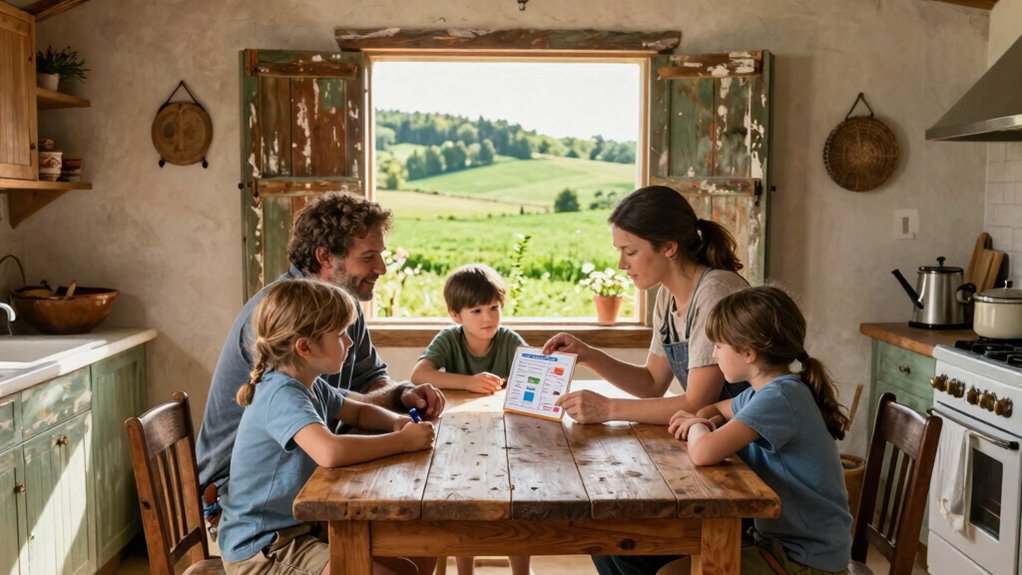
Living in a rural area offers many advantages, but it also means you need to be prepared for emergencies that might require sheltering in place. Unlike urban settings, where help can often arrive quickly, rural families face unique challenges, such as longer response times from emergency services and limited access to immediate resources. That’s why practicing shelter-in-place drills isn’t just a good idea—it’s indispensable. Regular drills help you understand how to stay safe, maintain calm, and navigate the logistics of an emergency, especially when communication channels might be disrupted.
Emergency communication plays a critical role during a shelter-in-place situation. In rural areas, cell service can be patchy or completely unavailable during a crisis, so it’s imperative to have alternative ways to stay informed. You should consider investing in battery-powered radios or NOAA weather alerts to receive essential updates. During drills, test these devices to verify they’re working correctly and that everyone in your family knows how to operate them. Establishing a communication plan with neighbors or community groups also boosts community preparedness. Knowing how to quickly share information or seek help creates a network of support that can be invaluable during emergencies. Additionally, having reliable communication methods in place ensures that you can maintain contact even when traditional channels are down.
Community preparedness is especially important in rural settings, where resources are more spread out, and neighbors often rely on each other more than urban residents might realize. Practicing shelter-in-place drills with your family allows you to simulate real-life scenarios, such as a chemical spill or severe weather event, helping everyone understand what steps to take. It’s also an opportunity to review your emergency kit, guarantee everyone knows how to access it quickly, and practice sealing your home if necessary. These exercises build confidence and reduce panic when actual emergencies occur. Additionally, understanding and implementing emergency communication strategies can significantly improve your response during an emergency.
battery powered NOAA weather radio
As an affiliate, we earn on qualifying purchases.
As an affiliate, we earn on qualifying purchases.
Frequently Asked Questions
How Often Should Rural Families Practice Shelter-In-Place Drills?
You should practice shelter-in-place drills at least twice a year, ensuring your family stays prepared for emergencies. During these drills, focus on emergency communication plans and how everyone can quickly reach a safe spot. Coordinate with your community to share best practices and stay informed about local hazards. Regular practice helps your family respond calmly and effectively, reinforcing safety and fostering community coordination when it matters most.
What Specific Hazards Should Rural Families Prepare For?
Think of your home as a fortress against danger. You should prepare for hazards like wildfires, which can spread rapidly through rural areas, and chemical hazards from nearby farms or industries. Wildfire preparedness guarantees you know how to stay safe and protect your family, while chemical hazard awareness helps you recognize signs of danger and respond quickly. Preparing for these specific threats keeps you one step ahead, safeguarding your loved ones in any crisis.
How Can Rural Families Create an Effective Shelter-In-Place Plan?
To create an effective shelter-in-place plan, involve your community to share resources and advice. Identify a safe, easily accessible space in your home, and establish clear communication strategies with family members, such as designated signals or regular check-ins. Practice drills regularly to guarantee everyone understands their roles. Staying connected with neighbors and local authorities helps you stay informed and prepared for any emergency, making your plan more robust and reliable.
What Supplies Are Essential for Rural Shelter-In-Place Scenarios?
Imagine you’re living in a time when radios are your link to the outside world; essential supplies include emergency communication devices like batteries and a NOAA weather radio. Medical preparedness is key, so stock up on first aid supplies, medications, and hygiene products. Don’t forget flashlights, extra batteries, and a manual can opener. These essentials help you stay safe and connected during shelter-in-place scenarios, especially in rural areas.
How Do Weather Conditions Affect Shelter-In-Place Procedures in Rural Areas?
Weather conditions substantially impact your shelter-in-place procedures in rural areas. During storms or extreme weather, outdoor safety becomes a priority, so stay indoors and avoid windows. Use communication strategies like battery-powered radios or cell phones to stay informed and alert others. Harsh weather can disrupt signals or power, so make sure your supplies are ready. Adjust your shelter-in-place plan accordingly to stay safe and connected despite the weather challenges.
Conclusion
Just like a sturdy barn keeps your tools safe from storms, practicing shelter-in-place drills keeps your family prepared for emergencies. Rural families often face unique risks, but with regular drills, you can build confidence and quick responses. Don’t wait for a crisis to strike—think of these drills as a safety net, catching you when you fall. Stay proactive, stay prepared, and make certain your loved ones are ready for whatever comes your way.
Halloween Picks
halloween
As an affiliate, we earn on qualifying purchases.