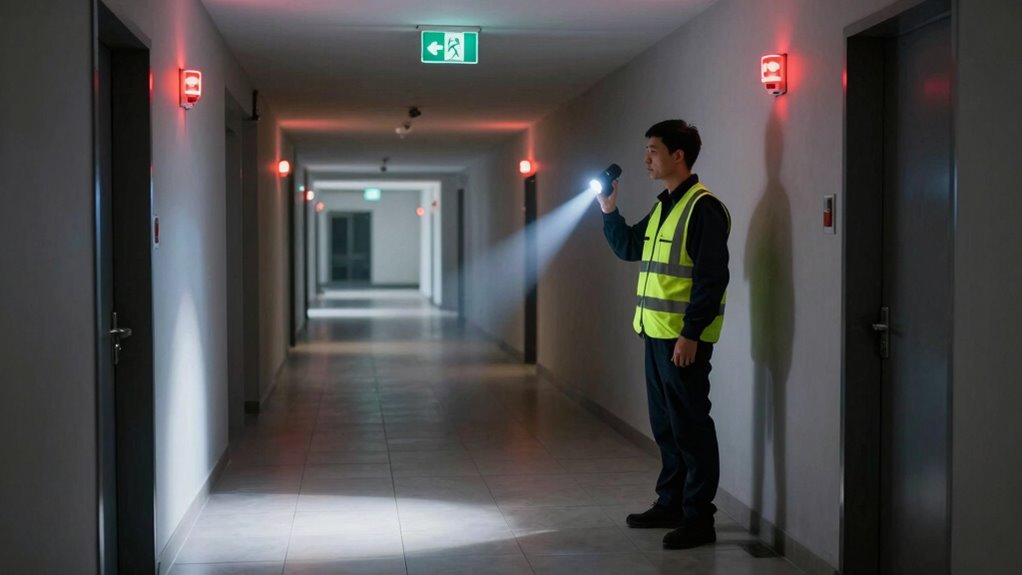
To test backup lighting before an emergency, regularly inspect the units for damage, corrosion, and loose connections. Use the test button to verify lights activate instantly and stay on for the required time. Conduct full discharge tests by temporarily turning off main power to guarantee reliability. Consistently check battery health and replace deteriorated batteries immediately. Keep detailed logs of all tests and maintenance activities. If you want to guarantee your system’s readiness, continue exploring essential steps.

Get garden gear delivered free with Prime
- Fast, free delivery on millions of items
- Prime Video, Amazon Music and more included
- Member-only deals all year
Key Takeaways
- Perform physical inspections to check for damage, corrosion, and proper connections.
- Conduct functional testing by activating the backup lights using test buttons or switches.
- Test batteries regularly for voltage and replace deteriorated units promptly.
- Schedule routine full discharge tests to ensure reliable operation during outages.
- Maintain detailed records of inspections, tests, and maintenance for compliance and safety.
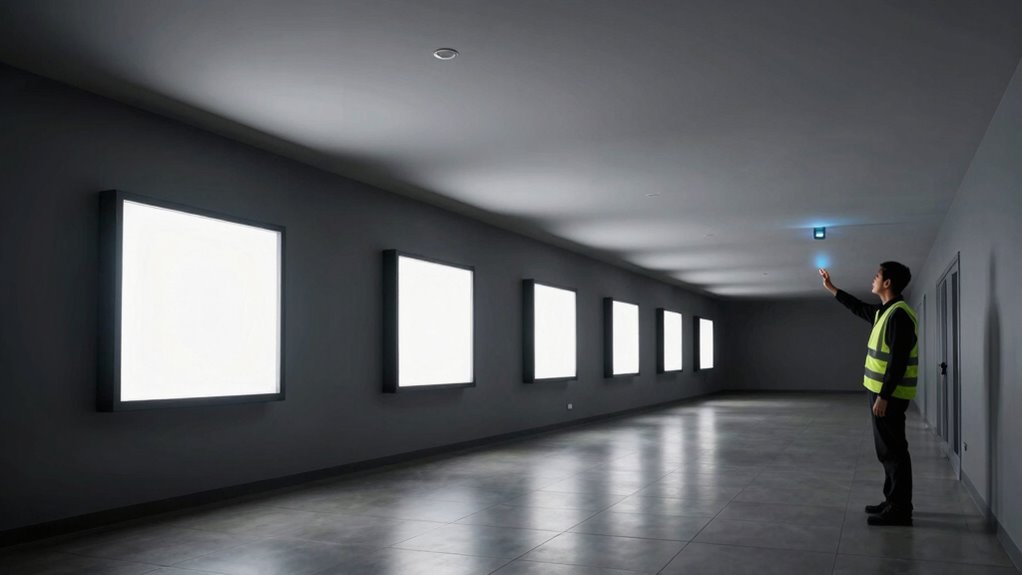
Have you ever considered whether your backup lighting system is ready to perform in an emergency? Confirming your backup lights work properly isn’t just a good idea—it’s an essential safety measure that can prevent chaos during a power outage or emergency situation. The key to reliable backup lighting lies in regular testing and proper maintenance. To do this effectively, you need to understand the importance of battery maintenance and stay compliant with lighting regulations. These elements work together to guarantee your system functions as intended when it matters most.
Start by inspecting the backup lighting units physically. Check for any signs of damage, corrosion, or loose connections. If your system uses batteries, prioritize battery maintenance. Batteries are the heart of most backup lighting systems and must be kept in prime condition. Regularly test the battery voltage, and if you notice any signs of deterioration—such as swelling, leakage, or low voltage—replace them immediately. Maintaining the batteries not only prolongs their lifespan but also guarantees that they’ll deliver power during an outage. Keep a log of maintenance activities and test results to stay organized and comply with safety standards.
Next, perform a functional test. Most backup lighting systems are equipped with a test button or switch. Press this button to simulate a blackout and observe whether the lights activate instantly and stay illuminated for the required duration. If the lights flicker, don’t turn on, or go out prematurely, it’s time to troubleshoot. Some systems need a full discharge test, which involves turning off the main power supply temporarily to verify the backup lights operate continuously as specified by lighting regulations. Make sure to record the date and outcome of each test, and address any issues immediately to stay compliant. Regular testing also ensures your system remains up-to-date with safety standards, which can prevent potential violations. Additionally, understanding lighting regulations helps you plan your testing schedule more effectively. Staying informed about safety standards is crucial for maintaining compliance and avoiding penalties. Incorporating regulatory updates into your routine can help you adapt to any changes in safety requirements.
It’s also essential to review your local lighting regulations regularly. These rules often specify the minimum duration backup lights must stay on, the type of lighting required, and testing frequencies. Staying compliant isn’t just about avoiding penalties—it ensures your safety measures are effective and up to standard. Schedule routine tests according to these regulations, typically monthly or quarterly, depending on your location. Keep detailed records of all tests and maintenance activities, as these may be required during safety inspections or audits. Additionally, consulting industry standards can help you better understand the expectations for backup lighting performance.
In essence, the best way to test backup lighting before an emergency involves a combination of diligent battery maintenance, thorough physical inspections, functional testing, and adherence to lighting regulations. By doing so, you’re not only safeguarding your property but also protecting everyone inside, knowing your backup system will perform flawlessly when needed. Regular checks and proper upkeep make all the difference in ensuring your backup lighting truly provides peace of mind during critical moments.
backup emergency lighting test button
As an affiliate, we earn on qualifying purchases.
As an affiliate, we earn on qualifying purchases.
Frequently Asked Questions
How Often Should Backup Lighting Be Tested?
You should test backup lighting at least once a month to guarantee it’s functioning properly. Regular testing is part of your maintenance schedules, helping to identify issues early. Keep in mind that battery lifespan affects backup lighting performance, so during tests, check for proper illumination and battery condition. Consistent testing helps maintain safety standards and ensures your backup lighting will work when needed most.
Are There Specific Safety Protocols During Testing?
Yes, there are specific safety protocols during testing. You should wear appropriate safety gear like gloves and eye protection to prevent injury. Follow established emergency procedures, such as alerting staff and ensuring the area is clear of obstacles. Make sure the testing is conducted during designated times to avoid disruption. Always verify that backup lighting functions correctly, and document the test results to maintain compliance and safety standards.
What Equipment Is Needed for Testing Backup Lighting?
You need a few essential tools for testing backup lighting, including a multimeter for battery maintenance checks and a flashlight for inspection procedures in dark areas. Make sure you have access to the backup lights themselves, along with a testing device to simulate power outages. Regularly inspecting the batteries, connections, and lighting fixtures helps confirm proper functioning, guaranteeing the backup lights will perform reliably during emergencies.
How Long Should Backup Lights Stay Illuminated During Testing?
Ever wonder how long your backup lights should stay on during a test? Typically, they should illuminate for at least 30 seconds to 1 minute, ensuring they’re reliable during an emergency or power outage. This duration allows you to verify proper operation and that emergency procedures are effective. Always check your local regulations, but a quick 30-second test is usually enough to confirm your backup lighting functions correctly during an unexpected power outage.
Who Is Qualified to Perform Backup Lighting Tests?
You should have qualified personnel, like trained maintenance staff or certified electricians, perform backup lighting tests. They understand emergency procedures and follow maintenance schedules to guarantee safety and compliance. Regular testing by qualified individuals helps detect issues early, ensuring backup lights function properly during emergencies. Always verify that tests are documented properly and performed according to local codes and standards for maximum safety and reliability.
Conclusion
Think of testing backup lighting like a fire drill—you hope you’ll never need it, but when an emergency strikes, you’re glad you practiced. I once missed an essential test, and during a blackout, I stumbled in the dark, realizing how important prep truly is. Regularly checking your backup lights guarantees you’re not left in the dark when it counts most. Stay proactive, test often, and keep your safety plan shining bright when it matters.
Halloween Picks
halloween
As an affiliate, we earn on qualifying purchases.