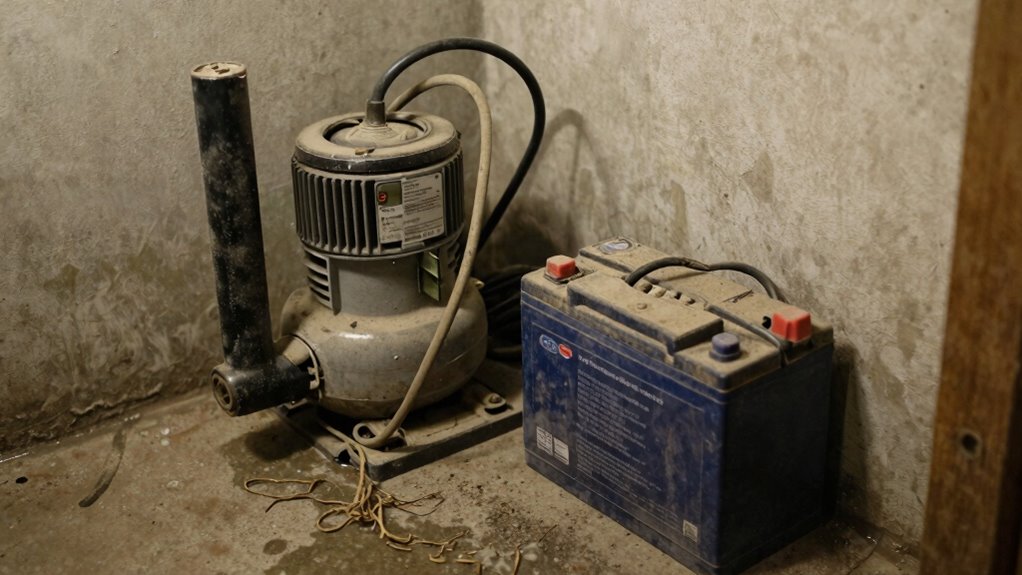

If you never test your sump pump backup system, it’s just a matter of time before it fails when you need it most, risking serious flooding and water damage. Regular testing guarantees the backup components, like batteries and pumps, work properly and catch issues early. Ignoring maintenance increases the chances of system failure during power outages or storms. Keep your home safe—discover how routine checks can prevent costly disasters and protect your property.

Get garden gear delivered free — and shop member deals
- Fast, free delivery on millions of items
- Access to Prime Big Deal Days deals on October 6–7
- Prime Video, Amazon Music and more included
Key Takeaways
- Backup systems may malfunction or fail without regular testing, risking home flooding during storms.
- Neglecting routine checks can lead to unnoticed battery drain or mechanical issues.
- Unverified backup plans provide a false sense of security, increasing vulnerability during power outages.
- Regular testing ensures backup pumps activate properly when needed, preventing costly water damage.
- Failing to test backup systems compromises emergency preparedness and increases potential property damage.
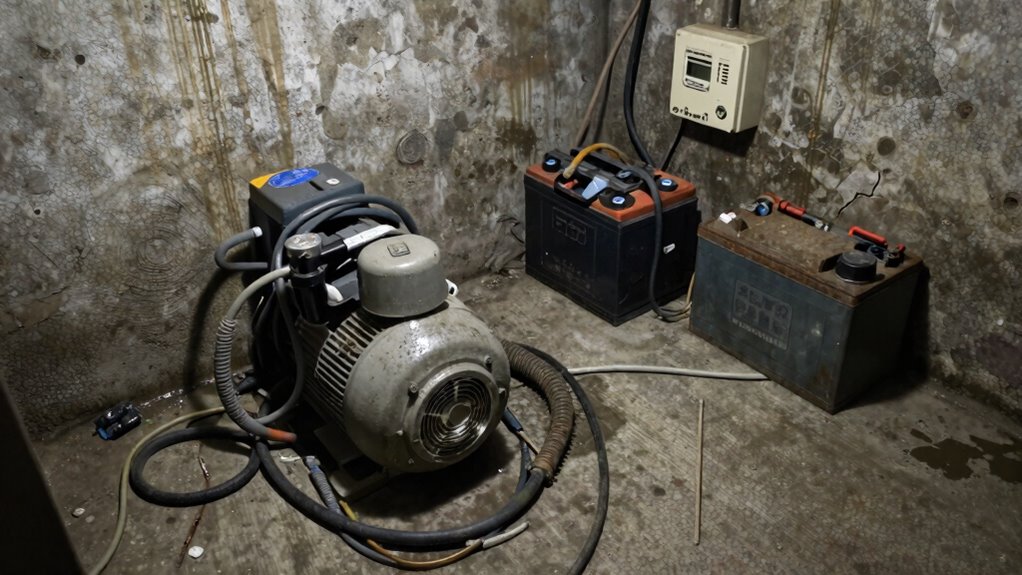
A sump pump is your first line of defense against basement flooding, but relying on it alone isn’t enough—backup plans are crucial. If you don’t prepare for emergencies or neglect regular maintenance routines, your sump pump could fail when you need it most. Many homeowners overlook the importance of testing their backup systems regularly, assuming they’ll work in a crisis without verifying their functionality. This oversight leaves your home vulnerable, especially during severe storms or power outages when your sump pump’s backup is most needed.
Relying solely on your sump pump isn’t enough; regular backup testing and maintenance are essential for home safety.
Emergency preparedness isn’t just about having a backup system; it’s about guaranteeing that backup system actually works when called upon. Testing your backup pumps and batteries periodically isn’t complicated, but it’s often overlooked. If you never test them, you might discover too late that your backup won’t turn on or that your battery is dead. Routine testing helps you identify issues early, giving you time to replace batteries or repair equipment before a flood occurs. It’s a simple step that can save thousands in damages and prevent disaster. Regular system checks are essential to maintaining overall reliability. Additionally, understanding the importance of home safety and how it relates to water damage prevention can help you create a comprehensive emergency plan. Incorporating energy efficiency strategies into your maintenance routine can also help ensure backup systems operate optimally during outages.
Failing to test backups isn’t just a small mistake; it’s a risk that can turn a minor storm into a major catastrophe. When testing is never done, you essentially gamble with your home’s safety. If your backup system doesn’t activate during a flood, the resulting water damage can be extensive and costly. By integrating emergency preparedness into your routine, you guarantee that your backup plans are reliable. It’s a proactive approach that minimizes vulnerability and keeps your basement dry when storms hit hardest. Additionally, understanding the importance of home security extends beyond physical safety to include safeguarding your property from water damage. Regular maintenance routines also help ensure your entire system functions properly when needed.
In the end, you can’t afford to assume your sump pump backups will work without verification. Regular maintenance routines and systematic testing aren’t optional—they’re your best defense against unexpected failures. Take the time to check your backup systems now, and you’ll thank yourself when the next storm rolls through.
As an affiliate, we earn on qualifying purchases.
Frequently Asked Questions
How Often Should Backup Plans Be Tested?
You should test your backup plans at least twice a year to guarantee flood prevention and emergency preparedness. Regular testing helps identify potential issues before heavy rains or storms hit. By doing so, you confirm that your sump pump backup system works effectively when needed. Don’t wait for a flood to realize your plan’s weaknesses—routine testing keeps your home protected and ensures your emergency preparedness remains reliable.
What Are Signs a Backup Sump Pump Is Failing?
Did you know that 80% of backup pump malfunctions occur due to overlooked maintenance? You’ll notice signs like the backup pump failing to activate during a test, strange noises, or slow response times. Battery degradation is also a common culprit, causing backup failure. If your backup pump shows these signs, test it regularly and replace batteries promptly to guarantee it works when you need it most.
Can Backup Systems Be Integrated With Smart Home Devices?
Yes, backup systems can be integrated with smart home devices. You can connect your backup sump pump to smart device systems, enabling automated alerts if there’s a problem. This integration allows you to monitor your sump pump remotely, receive real-time notifications, and even control the system through a smart app. By doing so, you guarantee you’re always aware of potential issues, helping you respond quickly and prevent flooding or damage.
What Maintenance Is Required for Backup Sump Pumps?
You should check your backup sump pump regularly by testing it to guarantee it works properly. During maintenance, clean the pump and check for debris, and verify the backup system’s connections. Regular testing helps identify issues early, avoiding failures during storms. When considering sump pump installation, ask about backup system warranties, and make sure you understand maintenance requirements to keep your backup system reliable and ready when needed.
How Long Do Backup Batteries Typically Last?
Backup batteries typically last between 3 to 5 years, depending on their battery capacity and how often they’re used. Over time, the power lifespan decreases as the battery ages and undergoes charge cycles. You should regularly test your backup system to verify the battery maintains its capacity, especially before storm seasons. Proper maintenance and timely replacements help avoid unexpected failures, keeping your sump pump reliable when needed most.
Conclusion
Don’t wait for a flood to test your backup plan. Test it regularly, so you know it works when it’s needed most. Review your system, check your batteries, and practice the process. Prepare for the worst by ensuring your backup isn’t just a plan on paper but a plan in motion. Because in the end, a backup plan that’s never tested is a backup plan that’s failed before it begins.
Halloween Picks
halloween
As an affiliate, we earn on qualifying purchases.