
During a thunderstorm, it’s safest to stay indoors and avoid outdoor activities. Seek shelter in a secure, windowless interior room to protect yourself from lightning strikes and electrical hazards. Unplug sensitive devices and use surge protectors to prevent damage from power surges. Keep electronics off and away from wired phones until the storm passes. Proper electrical grounding of your home also minimizes risks. Stay alert with lightning detection tools, and if you want to learn more about staying safe during storms, keep going.

Get garden gear delivered free — and shop member deals
- Fast, free delivery on millions of items
- Access to Prime Big Deal Days deals on October 6–7
- Prime Video, Amazon Music and more included
Key Takeaways
- Stay indoors in a secure, windowless room during storms to avoid lightning strikes and electrical hazards.
- Unplug sensitive electronics and use surge protectors to prevent damage from power surges caused by lightning.
- Properly grounded electrical systems direct lightning current safely into the ground, reducing fire and shock risks.
- Use lightning detection apps and storm alerts to monitor approaching storms and plan safe indoor activities.
- Avoid using wired electronics and landline phones during storms to minimize the risk of electrical shock.
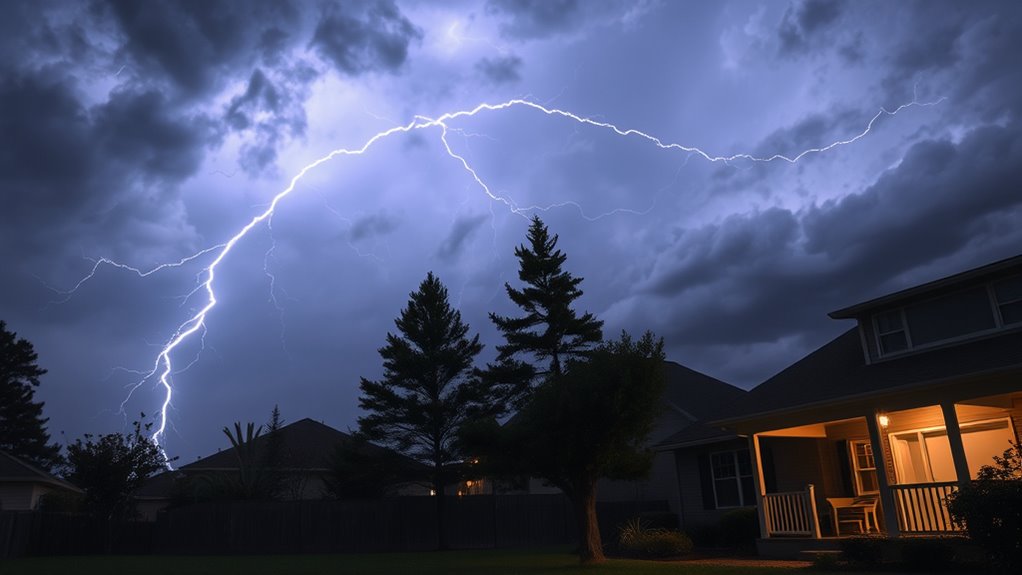
Thunderstorms and lightning can be dangerous if you’re not prepared. When the sky darkens and thunder rumbles, it’s vital to prioritize your safety by staying indoors and avoiding electrical hazards. Lightning strikes can cause serious injuries or fires, but with proper precautions, you can reduce your risk considerably. One essential aspect of safety during a thunderstorm is understanding the importance of electrical grounding. Proper electrical grounding ensures that if lightning strikes your home or nearby structures, the electrical current is safely directed into the ground rather than through your wiring or appliances. This process minimizes the chance of electrical fires or shocks, protecting both your property and your safety. Make sure your home’s electrical system is up to code and has a reliable grounding system in place. If you’re unsure, consult a licensed electrician to inspect and upgrade your electrical grounding.
Another vital safety measure is lightning detection technology. Modern lightning detection systems can alert you to approaching storms, giving you valuable time to prepare or seek shelter. These systems track lightning activity over large areas, providing real-time information about storm intensity and movement. Many weather apps now incorporate lightning detection features, so you can stay informed even when you’re away from traditional weather sources. Using these tools, you can determine the safest time to stay indoors and avoid outdoor activities until the storm passes. Relying on lightning detection helps you make informed decisions and avoid the dangerous impulse to seek shelter outside during a storm.
While indoors, stay away from windows, doors, and any electrical appliances or devices connected to the wiring. Lightning can cause power surges, which may damage your electronics or pose a shock hazard. It’s wise to unplug sensitive devices and avoid using wired electronics until the storm ends. If your home has a surge protector, ensure it’s functioning properly. Additionally, refrain from using landline phones, as lightning can travel through phone lines and cause injury. Keep yourself and your family safe by staying in a secure, interior room during the storm, ideally one with no windows.
Being aware of electrical grounding and ensuring your system is properly configured is key to reducing electrical hazards during thunderstorms.
As an affiliate, we earn on qualifying purchases.
Frequently Asked Questions
Can Lightning Strike Inside a Building?
Lightning can strike inside a building, but it’s rare and often surprises people. Most indoor lightning safety myths suggest you’re completely safe, but electrical systems and plumbing can conduct lightning. If lightning strikes nearby, it may cause a power surge or fire. Stay safe by avoiding electrical appliances and plumbing during a storm. Remember, while indoor safety reduces risk, staying alert and avoiding myths helps protect you better.
What Are the Safest Places During a Lightning Storm?
During a lightning storm, your safest places are indoor shelters and designated lightning safe zones. You should stay inside a sturdy building or a fully enclosed vehicle, avoiding open areas and tall objects. Find a central room away from windows and electrical appliances, as these are less likely to be struck. Remember, lightning can strike far from the storm, so stay indoors until 30 minutes after the last thunder.
How Can I Tell if a Storm Is Severe?
You can tell a storm is severe if you observe dark, towering cloud patterns like cumulonimbus, with frequent lightning and heavy rain. Watch the wind speed—if it picks up suddenly or becomes very strong, it indicates increased storm intensity. Stay alert for hail, thunder that rumbles loudly, and a rapid change in weather. These signs help you recognize a severe storm and prepare to stay safe indoors.
Are Outdoor Activities Safe During Thunderstorms?
Outdoor activities like sports or camping aren’t safe during thunderstorms. Lightning can strike unexpectedly, posing serious risks. If you’re outdoors, seek shelter immediately—avoid open fields, tall trees, and water. For outdoor sports and camping safety, always check the weather forecast before heading out, and have a plan to quickly move to a safe indoor location if storms approach. Staying vigilant helps protect you from lightning and electrical hazards.
What Should I Do if Someone Is Struck by Lightning?
If someone is struck by lightning, act quickly like a lightning bolt itself—don’t hesitate. Call emergency services immediately. Check for responsiveness and breathing, and if needed, perform CPR. Recognize electrical injury symptoms such as burns, muscle pain, or numbness, and provide first aid accordingly. Keep the person comfortable and monitor their condition until professional help arrives. Remember, quick action can save a life.
Conclusion
Remember, thunderstorms are like unpredictable guests—sometimes loud and startling, but always best kept outside. When lightning flashes, it’s a clear sign to stay indoors; think of it as putting up a protective shield around you. Just like a lighthouse guides ships safely through storms, following safety tips keeps you safe from electrical hazards. So, stay inside, stay safe, and let the storm pass—your best defense against nature’s fierce display.
Halloween Picks
halloween
As an affiliate, we earn on qualifying purchases.