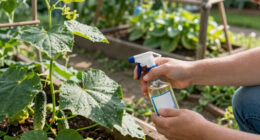
The best mealybug control products combine direct knockdown power with safety for the plants you’re treating, and after comparing fourteen leading options, Bonide Captain Jack’s Insecticidal Super Soap stands out as the best overall pick for its fast contact kill, ready-to-use convenience, and gentle handling of houseplant foliage. If you’re dealing with a stubborn, recurring infestation, Sierra Natural Science SNS-209 Systemic Concentrate works from inside the plant instead of just the surface, while Bonide Systemic Houseplant Insect Control Granules offer the simplest long-term prevention for indoor growers. The main tradeoff in this category is between fast contact sprays that require repeated applications and slow systemics that take weeks to work but protect new growth. Another tension: organic soaps are safe around kids and pets but need thorough coverage, while stronger concentrates like Atticus Talak Bifenthrin deliver serious firepower but limit where and how you can spray. Keep reading for the full breakdown of what each product does best and who should buy it.

Get garden gear delivered free with Prime
- Fast, free delivery on millions of items
- Prime Video, Amazon Music and more included
- Member-only deals all year
Complete the kit


Key Takeaways
- Contact sprays dominated the top of the ranking because mealybugs’ waxy coating makes direct, thorough coverage the single biggest factor in treatment success — Captain Jack’s Super Soap and NatureStop both earn top spots on this basis.
- Systemic options (SNS-209 concentrate and Bonide granules) are the only picks that protect new growth after treatment, but none of them act fast enough to be a standalone solution for an active infestation.
- Three nearly identical ready-to-use insecticidal soaps (Garden Safe, Natria, and Bonide Insecticidal Soap) landed mid-pack; the differences between them came down to sprayer quality, size, and price-per-ounce rather than performance.
- Neem oil products (Captain Jack’s and BioAdvanced Organics) work better as follow-up and prevention than as first strikes — mealybugs’ cottony wax blunts neem’s contact action compared with true insecticidal soap.
- Atticus Talak Bifenthrin is the most powerful option in the lineup but carries real tradeoffs: it’s not suited for indoor houseplants, edible plants, or homes with pollinator-friendly gardens, which is why it ranks lower despite superior kill rates outdoors.
| Bonide Captain Jack’s Insecticidal Super Soap Ready-to-Use Spray, 32 oz |  | Best for Outdoor Gardens | Volume: 32 oz | Form: Ready-to-use spray | Intended use: Outdoor residential use | VIEW LATEST PRICE | See Our Full Breakdown |
| EcoVenger Garden Insect Control Spray, 16 oz |  | Best Plant-Based Indoor and Outdoor Option | Volume: 16 oz | Use: Indoor and outdoor plants | Application: Spray foliage and stems; treat soil for eggs and fungus gnats | VIEW LATEST PRICE | See Our Full Breakdown |
| Sierra Natural Science SNS-209 Systemic Concentrate, 1 Pint |  | Best Systemic-Action Concept | Volume: 1 pint | Form: Concentrate | Control approach: Systemic | VIEW LATEST PRICE | See Our Full Breakdown |
| Garden Safe Insecticidal Soap Insect Killer Spray, 32 oz |  | Best Overall for Listed Mealybug Coverage | Volume: 32 oz | Form: Ready-to-use spray | Active ingredients: Fatty acid salts (soaps) | VIEW LATEST PRICE | See Our Full Breakdown |
| Natria Insecticidal Soap, Ready-to-Use, 24 oz |  | Best for Harvest-Day Treatment | Brand: Natria | Volume: 24 fluid ounces | Form: Ready-to-use spray | VIEW LATEST PRICE | See Our Full Breakdown |
| Bonide Systemic Houseplant Insect Control Granules, 8 oz |  | Best Long-Lasting Protection | Brand: Bonide | Form: Granules | Size: 8 oz | VIEW LATEST PRICE | See Our Full Breakdown |
| Bonide Insecticidal Soap Ready-to-Use Spray, 32 oz |  | Best for Edible Plants | Brand: Bonide | Volume: 32 oz | Form: Ready-to-use spray | VIEW LATEST PRICE | See Our Full Breakdown |
| Atticus Talak 7.9% Bifenthrin Insecticide Concentrate, 32 oz |  | Best for Severe, Widespread Infestations | Brand: Atticus | Active ingredient: 7.9% bifenthrin | Volume: 32 fl oz | VIEW LATEST PRICE | See Our Full Breakdown |
| Safer Brand Insect Killing Soap Concentrate for Plants, 16 fl oz |  | Best Value for Large Plant Collections | Volume: 16 fl oz concentrate | Active ingredient: Potassium salts of fatty acids | Coverage: Makes up to 6 gallons of spray | VIEW LATEST PRICE | See Our Full Breakdown |
| Earth’s Ally 3-in-1 Plant Spray for Pests and Disease, 32 fl oz |  | Best Natural Multi-Tasker | Brand: Earth’s Ally | Volume: 32 fl oz | Formula: Thyme, rosemary, clove, and peppermint oils | VIEW LATEST PRICE | See Our Full Breakdown |
| Bonide Captain Jack’s Neem Oil Ready-to-Use Spray, 32 oz |  | Best Overall | Volume: 32 oz | Form: Ready-to-use trigger spray | Active ingredient: Clarified hydrophobic extract of neem oil | VIEW LATEST PRICE | See Our Full Breakdown |
| ARBER Organic Insecticide Spray for Indoor and Outdoor Plants, 16 oz |  | Best Value Concentrate | Volume: 16 oz concentrate | Form: Liquid concentrate | Use: Indoor and outdoor plants | VIEW LATEST PRICE | See Our Full Breakdown |
| BioAdvanced Organics Neem Oil Spray, 24 fl oz |  | Best for Edible Gardens | Volume: 24 fl oz | Form: Ready-to-use trigger spray | Active ingredient: Clarified hydrophobic extract of neem oil, 0.9% | VIEW LATEST PRICE | See Our Full Breakdown |
| NatureStop Mealy Bug Killer for Indoor Plants, 16 oz |  | Best Targeted Spot Treatment | Volume: 16 oz | Formula: Natural oil-based | Target pest: Mealybugs | VIEW LATEST PRICE | See Our Full Breakdown |
| mealybug control product | Volume | Form | Active ingredient |
|---|---|---|---|
| Bonide Captain Jack’s Insectic | 32 oz | Ready-to-use spray | — |
| EcoVenger Garden Insect Contro | 16 oz | — | — |
| Sierra Natural Science SNS-209 | 1 pint | Concentrate | Rosmarinic acid from rosemary |
| Garden Safe Insecticidal Soap | 32 oz | Ready-to-use spray | — |
| Natria Insecticidal Soap | 24 fluid ounces | Ready-to-use spray | Potassium salts of fatty acids, 1% |
| Bonide Systemic Houseplant Ins | — | Granules | — |
| Bonide Insecticidal Soap Ready | 32 oz | Ready-to-use spray | Potassium salts of fatty acids |
| Atticus Talak 7.9% Bifenthrin | 32 fl oz | Liquid concentrate | 7.9% bifenthrin |
| Safer Brand Insect Killing Soa | 16 fl oz concentrate | — | Potassium salts of fatty acids |
| Earth’s Ally 3-in-1 Plant Spra | 32 fl oz | Ready-to-use spray | — |
| Bonide Captain Jack’s Neem Oil | 32 oz | Ready-to-use trigger spray | Clarified hydrophobic extract of neem oil |
| ARBER Organic Insecticide Spra | 16 oz concentrate | Liquid concentrate | — |
| BioAdvanced Organics Neem Oil | 24 fl oz | Ready-to-use trigger spray | Clarified hydrophobic extract of neem oil, 0.9% |
| NatureStop Mealy Bug Killer fo | 16 oz | — | — |
More Details on Our Top Picks
Bonide Captain Jack’s Insecticidal Super Soap Ready-to-Use Spray, 32 oz
Outdoor flexibility is the main reason this soap earns a place in a mealybug roundup: it is ready to spray across gardens, ornamentals, lawns, and greenhouse plants. The description does not specifically list mealybugs, so I would favor Garden Safe Insecticidal Soap or Natria when confirmed mealybug coverage is the priority. Captain Jack’s instead suits gardeners who want one ready-to-use soap for several outdoor pest problems, including aphids and spider mites. Its direct-contact and ingestion action gives it more than one stated route against listed pests, while organic gardening approval may appeal to growers following that approach. The tradeoff is its outdoor residential focus and the lack of a named mealybug claim in the supplied product details; it is a less certain pick for indoor infestations.
Pros:- Ready-to-use 32 oz spray avoids mixing
- Suitable for gardens, lawns, ornamentals, and greenhouse plants
- Controls several listed pest types
- Approved for organic gardening
Cons:- Supplied pest list does not specifically name mealybugs
- Designed for outdoor residential use
- Broad pest description gives limited mealybug-specific guidance
Best for: Outdoor gardeners who want a ready-to-use soap for multiple listed pests across garden beds, ornamentals, and greenhouse plants.
Not ideal for: Houseplant owners seeking a product with mealybugs explicitly listed as a target, or shoppers who need indoor-use guidance.
- Volume:32 oz
- Form:Ready-to-use spray
- Intended use:Outdoor residential use
- Suitable for:Home gardens, lawns, ornamentals, and greenhouses
- Pest control method:Direct contact and ingestion
- Organic gardening:Approved
Our verdict“Choose Captain Jack’s for broad outdoor soap spraying, while Garden Safe or Natria is a clearer fit when you want mealybugs named on the product data.”
EcoVenger Garden Insect Control Spray, 16 oz
EcoVenger stands apart from the lineup by pairing indoor and outdoor use with a plant-based ingredient list and application to foliage, stems, or soil. That flexibility can help a plant owner address more than leaf surfaces, though the supplied pest list does not name mealybugs; Garden Safe and Natria make the more direct case for that specific pest. EcoVenger lists aphids, spider mites, gnats, armyworms, and whiteflies, so I would treat it as a broader garden-pest option rather than assume mealybug performance from the description. The 16 oz ready-to-use bottle is smaller than Garden Safe’s 32 oz spray, and delicate plants call for a fivefold dilution and test spray. This extra care makes it less straightforward for beginners with sensitive foliage.
Pros:- Can be used on indoor and outdoor plants
- Application includes foliage, stems, and soil
- Plant-based ingredients include citronella, geraniol, and cedarwood oils
- Targets several listed garden pests
Cons:- Mealybugs are not named in the supplied pest list
- Delicate plants require fivefold dilution and a test spray
- 16 oz volume is smaller than Garden Safe’s 32 oz bottle
Best for: Plant owners who want one botanical spray for indoor and outdoor plants, including soil treatment for listed soil-related pests.
Not ideal for: Buyers seeking explicit mealybug coverage or a simple, no-adjustment spray for delicate plants.
- Volume:16 oz
- Use:Indoor and outdoor plants
- Application:Spray foliage and stems; treat soil for eggs and fungus gnats
- Delicate plant dilution:Dilute 5 times with water
- Ingredients:Citronella oil, geraniol, cedarwood oil, sodium lauryl sulfate, glyceryl dicaprylate, silica hydrate, glyceryl monooleate, and water
- Pests targeted:Aphids, spider mites, gnats, armyworms, and whiteflies
Our verdict“Pick EcoVenger for botanical indoor-and-outdoor versatility, but choose a soap such as Garden Safe if explicit mealybug coverage matters more.”
Sierra Natural Science SNS-209 Systemic Concentrate, 1 Pint
SNS-209 is the lineup’s distinct systemic concentrate: plants take up rosemary-derived rosmarinic acid, which is described as affecting insects when they feed. That approach differs from Garden Safe Insecticidal Soap, which relies on spraying pests directly, and could appeal to growers interested in a plant-mediated method. But the supplied product data leaves two key buying questions unanswered: it gives no application directions and names no target insects, including mealybugs. I would not make it my first choice for an active mealybug infestation when Natria or Garden Safe explicitly lists that pest. Its one-pint concentrate format may suit a buyer seeking a different application approach, but the sparse instructions and pest information make this the most uncertain recommendation here.
Pros:- Systemic approach acts through plant uptake and insect feeding
- Uses rosmarinic acid derived from rosemary
- Concentrate format is distinct from ready-to-use sprays
Cons:- Supplied description provides no application directions
- Supplied description does not identify target insects
- Mealybug control is not specifically established in the product data
Best for: Experienced plant growers interested in a rosemary-derived systemic approach who can obtain and follow complete product directions.
Not ideal for: Beginners or anyone treating confirmed mealybugs who needs clear application instructions and a named target pest.
- Volume:1 pint
- Form:Concentrate
- Control approach:Systemic
- Active ingredient:Rosmarinic acid from rosemary
- Described plant uptake:Plants take up a small amount of the acid
- Described effect:Affects insects when they feed, causing them to stop eating, move on, or die
Our verdict“Consider SNS-209 only if you specifically want a systemic approach and can verify its directions and pest coverage; Natria is more explicit for mealybugs.”
Garden Safe Insecticidal Soap Insect Killer Spray, 32 oz
Garden Safe is my clearest all-around choice here for a confirmed mealybug problem because mealybugs are explicitly listed alongside mites, aphids, scale insects, and other pests. The 32 oz ready-to-use spray also works indoors, outdoors, and in greenhouses across vegetables, fruit trees, flowers, and shrubs, giving it broader setting coverage than Captain Jack’s outdoor-focused Super Soap. The contact action has a practical limitation: pests need to be hit directly, so thorough coverage—including leaf undersides—is part of the job. Compared with Natria’s 24 oz bottle, Garden Safe offers more volume and a longer stated pest list, while both allow use on edible plants through harvest day. I would skip it if repeated careful spraying is impractical.
Pros:- Mealybugs are explicitly listed among the controlled pests
- Ready-to-use 32 oz spray requires no mixing
- Suitable for indoor, outdoor, and greenhouse use
- May be applied to edible plants through the day of harvest
Cons:- Contact control requires spraying pests directly
- Thorough coverage, including leaf undersides, takes care
- Does not provide the systemic approach described for SNS-209
Best for: Growers treating named mealybugs on indoor plants or a mix of edible and ornamental plants across indoor, outdoor, and greenhouse settings.
Not ideal for: Plant owners who cannot inspect and spray pests directly, including undersides of leaves, or who need a systemic treatment.
- Volume:32 oz
- Form:Ready-to-use spray
- Active ingredients:Fatty acid salts (soaps)
- Application:Indoor, outdoor, and greenhouse use
- Suitable plants:Vegetables, fruit trees, ornamentals, shrubs, and flowers
- Pest control:Aphids, mealybugs, mites, leafhoppers, psyllids, scale insects, thrips, whiteflies, and other listed pests
- Model number:HG-93216
Our verdict“Choose Garden Safe for explicit mealybug coverage across varied plant settings if you can spray thoroughly and directly.”
Natria Insecticidal Soap, Ready-to-Use, 24 oz
Natria offers a straightforward route to treating named mealybugs on houseplants and edible plants: its ready-to-use soap lists mealybugs among several common pests and may be used through the day of harvest. That makes it a strong alternative to EcoVenger for growers who want a simpler bottle without delicate-plant dilution instructions. Against Garden Safe, Natria has a smaller 24 oz container and a narrower supplied pest list, though both name mealybugs and suit indoor and outdoor plants. Its listed active ingredient is potassium salts of fatty acids at 1%, giving buyers a specific formulation detail to compare. The tradeoff is that the supplied product information says little about application beyond the ready-to-use format, so careful label reading still matters.
Pros:- Mealybugs are explicitly listed as a target
- Ready-to-use spray needs no dilution
- Suitable for indoor and outdoor plants
- May be used up to and including harvest day
Cons:- 24 oz volume is smaller than Garden Safe’s 32 oz bottle
- Supplied pest list is less extensive than Garden Safe’s
- Product data provides limited application detail
Best for: Home growers who want a no-mix soap for mealybugs on houseplants, flowers, fruits, or vegetables, including near harvest.
Not ideal for: Buyers who need the larger 32 oz bottle or a wider stated pest list, for which Garden Safe is the stronger fit.
- Brand:Natria
- Volume:24 fluid ounces
- Form:Ready-to-use spray
- Active ingredient:Potassium salts of fatty acids, 1%
- Pests targeted:Aphids, mealybugs, mites, whiteflies, and other listed pests
- Use:Indoor and outdoor plants
- Harvest timing:Can be used up to and including the day of harvest
- Model number:706230A
- EPA registration number:67702-21-92564
Our verdict“Choose Natria for a simple mealybug-listed soap on houseplants or edible plants, especially when harvest-day use is useful.”
Bonide Systemic Houseplant Insect Control Granules, 8 oz
Most mealybug sprays share the same weakness: they only kill what the spray touches, and mealybugs love hiding in leaf axils and soil crevices. These systemic granules flip the approach entirely. You mix them into the potting soil, water in, and the plant itself becomes toxic to anything that feeds on it for up to eight weeks. That means no re-spraying every few days like you would with Safer Brand’s concentrate or Bonide’s own insecticidal soap. The tradeoff is real, though: protection only reaches insects that actually feed on the plant, so crawlers just passing through are untouched. And the hard limit — no edible plants, ever — makes this strictly an ornamental-houseplant tool.
Pros:- Up to 8 weeks of protection from a single application
- Water-resistant — no reapplication after watering
- Reaches pests hiding where sprays can’t penetrate
- Simple ready-to-use granule format, no mixing or dilution
Cons:- Not for use on edible plants of any kind
- Only affects insects that feed on treated plant tissue
- Slower to act than contact sprays during an active outbreak
Best for: Houseplant owners with recurring mealybug infestations on ornamentals who are tired of weekly spraying
Not ideal for: Anyone treating herbs, vegetables, or fruit-bearing plants — the systemic chemistry is not labeled for edibles
- Brand:Bonide
- Form:Granules
- Size:8 oz
- Target pests:Aphids, whiteflies, mealybugs, scale
- Protection duration:Up to 8 weeks
- Application:Mix into soil and water in
- Model number:951
Our verdict“Choose this if you want set-and-forget mealybug prevention on ornamental houseplants rather than a contact kill.”
Bonide Insecticidal Soap Ready-to-Use Spray, 32 oz
When mealybugs show up on a basil plant or a potted tomato, most options on this list are off the table — including Bonide’s own systemic granules. This ready-to-use soap fills that gap: potassium salts of fatty acids kill on contact, and the label permits use up to the day of harvest. Compared with Safer Brand’s concentrate, you trade cost-efficiency for convenience — no measuring, no mixing, just attach the nozzle and spray. It’s also gentler chemistry than Atticus Talak’s bifenthrin, which belongs nowhere near a kitchen garden. The catch is the classic soap limitation: mealybugs sheltering under cottony wax or deep in leaf joints may survive a pass, so thorough contact is everything and repeat treatments are likely.
Pros:- Labeled for use on vegetables, fruit, and flowers up to harvest day
- Suitable for organic gardening
- Truly ready to use — sprayer attached, zero prep
- Safe for both houseplants and outdoor gardens
Cons:- Only kills insects the spray directly reaches
- Higher cost per ounce than concentrate alternatives like Safer Brand
Best for: Vegetable and herb gardeners who need a harvest-safe contact spray for mixed indoor-outdoor pest problems
Not ideal for: Heavy, entrenched infestations — contact-only action means hidden mealybugs routinely escape
- Brand:Bonide
- Volume:32 oz
- Form:Ready-to-use spray
- Active ingredient:Potassium salts of fatty acids
- Use sites:Indoor and outdoor plants
- Organic gardening:Suitable
Our verdict“This is the pick when edibles are involved and you need a safe, immediate contact kill without mixing anything.”
Atticus Talak 7.9% Bifenthrin Insecticide Concentrate, 32 oz
Sometimes mealybugs are a symptom of a bigger pest problem — ants farming them, spiders moving in, a general outdoor invasion. That’s where this bifenthrin concentrate plays a different game than every soap and oil on this list. It covers more than 75 pests, kills on contact, and leaves residual control for up to three months, something no contact soap can match. The 32-ounce concentrate also dilutes into a large volume of finished spray, making it economical per gallon next to ready-to-use options like Earth’s Ally. But this is the heaviest-duty chemistry here: it must be diluted precisely per the label, it’s a synthetic pyrethroid rather than an organic option, and it cannot ship to Connecticut, New York, or Vermont. Overkill for two infested pothos.
Pros:- Controls more than 75 pests, not just mealybugs
- Residual protection lasting up to 3 months
- Dries clear with no residue or odor when used as directed
- Concentrate format yields large volumes of finished spray
Cons:- Requires careful dilution and label compliance
- Not available for sale in Connecticut, New York, or Vermont
- Synthetic chemistry excludes it from organic gardening
Best for: Homeowners battling mealybugs alongside a broader pest invasion indoors and outdoors who need months of residual control
Not ideal for: Organic gardeners, pollinator-focused yards, or anyone with a small isolated houseplant problem
- Brand:Atticus
- Active ingredient:7.9% bifenthrin
- Volume:32 fl oz
- Form:Liquid concentrate
- Residual control:Up to 3 months
- Pest range:More than 75 pests
- Use sites:Indoor and outdoor
Our verdict“Reach for this only when mealybugs are part of a serious multi-pest problem that gentler products have failed to contain.”
Safer Brand Insect Killing Soap Concentrate for Plants, 16 fl oz
If you’re treating a shelf of twenty houseplants or a full garden bed, ready-to-use sprays get expensive fast. This OMRI Listed concentrate stretches 16 ounces into up to six gallons of finished spray — dramatically cheaper per application than Bonide’s pre-mixed soap at 32 ounces. You get the same fatty-acid chemistry, mealybug-on-contact knockdown, and harvest-day safety, but with an explicitly long target list running from mealybugs and soft scale to spider mites and whiteflies. The tradeoffs are workflow-related: you must mix each batch yourself, reapply every 5–7 days while pests persist, and avoid spraying in heat above 90°F to prevent leaf damage. That’s more effort than Earth’s Ally’s pull-and-spray bottle, but far more economical at scale.
Pros:- Makes up to 6 gallons of spray from one 16 oz bottle
- OMRI Listed for organic gardening
- Long labeled target list including mealybugs, scale, and mites
- Safe for use on edibles up to harvest day
Cons:- Requires mixing and repeated applications every 5–7 days
- Can damage foliage if applied in heat above 90°F
Best for: Plant collectors and gardeners treating many plants who want organic-compatible control at the lowest cost per spray
Not ideal for: Casual owners of one or two plants — mixing concentrate for a small job adds hassle without much savings
- Volume:16 fl oz concentrate
- Active ingredient:Potassium salts of fatty acids
- Coverage:Makes up to 6 gallons of spray
- Pests targeted:Mealybugs, aphids, spider mites, whiteflies, soft scale, and more
- Application interval:Every 5–7 days while insects are present
- Organic certification:OMRI Listed
- Use sites:Houseplants, ornamentals, fruits, and vegetables
Our verdict“The most economical organic option here for anyone spraying enough plants to justify a concentrate.”
Earth’s Ally 3-in-1 Plant Spray for Pests and Disease, 32 fl oz
Mealybugs rarely arrive alone — and when sticky honeydew turns into sooty mold or fungal spots, a single-purpose insecticide leaves you buying a second bottle. This botanical oil blend of thyme, rosemary, clove, and peppermint tackles both soft-bodied pests and common plant diseases in one ready-to-use spray. It’s also the most pollinator-conscious choice on this list, independently tested for bee safety — a meaningful step beyond Safer Brand’s organic listing, which speaks to ingredients rather than testing outcomes. Where it falls short is reach: like any soft-bodied-pest product, it won’t touch chewing beetles or hard-shelled insects, and it lacks the month-scale persistence of Bonide’s systemic granules, so expect repeat spraying during an active outbreak. Think of it as the gentle everyday maintenance option, not the rescue treatment.
Pros:- Controls pests and common plant diseases with one product
- Independently tested for bee safety
- Botanical oil formula with thyme, rosemary, clove, and peppermint
- Ready to use with no mixing on indoor and outdoor plants
Cons:- Limited to soft-bodied insects — won’t address every pest problem
- No long residual, so outbreaks require repeated applications
Best for: Gardeners who want one bee-safe, botanically based spray for both pests and fungal issues on indoor and outdoor plants
Not ideal for: Anyone facing a severe infestation or hard-bodied pests — this formula is built for soft-bodied insects only
- Brand:Earth’s Ally
- Volume:32 fl oz
- Formula:Thyme, rosemary, clove, and peppermint oils
- Target pests:Mealybugs, spider mites, aphids, whiteflies, scale, leaf rollers
- Use sites:Indoor and outdoor plants
- Form:Ready-to-use spray
Our verdict“A smart pick for pollinator-friendly maintenance when you want pest and disease coverage in a single natural spray.”
Bonide Captain Jack’s Neem Oil Ready-to-Use Spray, 32 oz
Bonide Captain Jack’s Neem Oil earns the top spot because it solves more than one problem at once — a genuine advantage when mealybugs often arrive alongside fungus gnats, mites, or powdery mildew. Compared with single-purpose options like NatureStop Mealy Bug Killer, this spray interrupts eggs, larvae, and adults, which matters because mealybugs rebound fast if only the visible adults are treated. The 32 oz ready-to-use bottle also beats concentrates like ARBER Organic Insecticide for convenience — no measuring or mixing. The tradeoff is pace and smell: neem works over days rather than hours, has a distinctive odor some indoor growers dislike, and requires reapplication every 7–14 days to break the reproduction cycle. For a broad, organic-safe defense across a houseplant collection, this pick makes the most sense.
Pros:- Triple action as fungicide, insecticide, and miticide
- Targets eggs, larvae, and adult stages, breaking the mealybug life cycle
- Ready-to-use trigger bottle with no mixing required
- Approved for organic gardening and usable up to harvest day
Cons:- Requires reapplication every 7–14 days for full control
- Neem oil has a noticeable odor that can bother indoor growers
Best for: Plant owners with multiple infestations (mealybugs plus mites, aphids, or mildew) who want one organic spray for everything
Not ideal for: Anyone wanting an odorless indoor spot treatment or a knockdown product that works in hours — neem is slow and fragrant
- Volume:32 oz
- Form:Ready-to-use trigger spray
- Active ingredient:Clarified hydrophobic extract of neem oil
- Uses:Fungicide, insecticide, and miticide
- Reapplication interval:Every 7–14 days as needed
- Organic gardening:Approved; can be used up to the day of harvest
Our verdict“The most versatile organic pick for treating mealybugs and whatever else is attacking your plants at the same time.”
ARBER Organic Insecticide Spray for Indoor and Outdoor Plants, 16 oz
ARBER’s concentrate takes the value slot because 16 oz of liquid stretches across many gallons of finished spray — a better long-run cost structure than ready-to-use bottles like Bonide Insecticidal Soap RTU, which run dry quickly during a serious mealybug outbreak. The adjustable dilution is the real differentiator: you can mix light for sensitive houseplants and stronger for a stubborn outdoor infestation, something fixed-formula sprays can’t match. It also covers soil as well as foliage, helpful when mealybugs hide at the base or fungus gnats move in alongside them. The tradeoff is effort — you need to measure, mix, and supply your own sprayer, and unlike Captain Jack’s Neem Oil, it doesn’t treat fungal diseases. This option stands out for frequent treaters who don’t mind a little prep work.
Pros:- Concentrate format yields far more usable spray per dollar than pre-mixed bottles
- Dilution can be tuned for plant sensitivity and pest severity
- Covers foliage and soil for a broader range of pests including fungus gnats
- Low-odor and dye-free formula suited to indoor spaces
Cons:- Must be diluted before every use, adding time and equipment
- No fungicide action — separate treatment needed for mildew or mold
Best for: Plant collectors managing recurring infestations who want an economical, mixable organic spray for indoor and outdoor use
Not ideal for: Casual growers with one infected plant — buying a sprayer and mixing concentrate is more effort than a single ready-to-use bottle
- Volume:16 oz concentrate
- Form:Liquid concentrate
- Use:Indoor and outdoor plants
- Application:Dilute with water and spray foliage and soil
- Pests targeted:Fungus gnats, aphids, whiteflies, mealybugs, spider mites, foliage-feeding beetles, fruit flies
- Features:Low-odor and dye-free; organic gardening formula
Our verdict“The smart buy if you treat plants often and want organic control you can dial in yourself.”
BioAdvanced Organics Neem Oil Spray, 24 fl oz
Where BioAdvanced Organics Neem Oil pulls ahead of the pack is its explicit labeling across flowers, shrubs, fruits, and vegetables with clearance to spray up to the day of harvest. Not every organic spray spells out edible-plant coverage this clearly, and that labeling is what matters if you’re treating mealybugs or aphids on herbs, tomatoes, or fruit trees you intend to eat from. It shares the same active ingredient family as Captain Jack’s Neem Oil but comes in a smaller 24 oz bottle, so it’s better matched to a modest kitchen-garden scale than a whole-houseplant collection. Like all neem products, it works on eggs, larvae, and adults but demands patience: expect repeat applications every 7–14 days, and only pests and diseases actually listed on the label are covered. This pick makes the most sense for food growers who want organic credentials with clear rules.
Pros:- Clearly labeled for ornamentals, fruits, and vegetables
- Can be applied up to the day of harvest
- Attacks eggs, larvae, and adult stages of listed pests
- Combines insecticide, miticide, and fungicide roles in one bottle
Cons:- Repeat applications required every 7–14 days
- Coverage limited strictly to pests and diseases listed on the label
Best for: Kitchen gardeners and fruit growers who need a harvest-safe organic spray for mealybugs and aphids on edibles
Not ideal for: Large houseplant collections — the 24 oz bottle runs out faster than the 32 oz alternatives
- Volume:24 fl oz
- Form:Ready-to-use trigger spray
- Active ingredient:Clarified hydrophobic extract of neem oil, 0.9%
- EPA registration number:70051-13-92564
- Use:Fungicide, insecticide, and miticide
- Application schedule:Every 7–14 days for listed diseases
- Harvest use:May be applied up to the day of harvest
Our verdict“The organic neem choice when the plants you’re spraying end up on your plate.”
NatureStop Mealy Bug Killer for Indoor Plants, 16 oz
Most products in this roundup treat mealybugs as one pest among many; NatureStop is built around them alone. That focus shows in the application guidance — directed spraying of leaves, stems, and nodes, exactly where mealybugs cluster and hide in cottony masses. For someone battling a localized outbreak on a few prized houseplants, this is simpler than mixing ARBER concentrate or committing to the repeat schedule of BioAdvanced Organics Neem Oil. The natural oil-based formula also suits indoor use without heavy fumes. The honest tradeoff is transparency: no active ingredient is disclosed and no reapplication frequency is published, so you’re relying on the label directions alone without the EPA registration clarity that BioAdvanced provides. It also won’t help with fungus, mites, or other hitchhiker pests. This model is better suited to a single-pest, single-room problem than a whole-collection defense.
Pros:- Purpose-formulated specifically for mealybugs rather than general pests
- Natural oil-based formula appropriate for indoor use
- Direct spray application targets leaves, stems, and nodes where mealybugs hide
- Works on both indoor and outdoor plants
Cons:- Active ingredient is not disclosed, making strength and safety harder to judge
- No reapplication interval or treatment duration is specified
Best for: Indoor plant owners with a confirmed mealybug outbreak on a few plants who want a purpose-built, no-mixing spot spray
Not ideal for: Gardeners dealing with multiple pest types or edible plants — no labeled active ingredient or harvest-safety guidance is provided
- Volume:16 oz
- Formula:Natural oil-based
- Target pest:Mealybugs
- Application:Spray directly on affected leaves, stems, and nodes
- Suitable for:Indoor and outdoor plants
- Made in:USA
Our verdict“A focused, fuss-free option for one job — killing mealybugs on houseplants — if you’re comfortable with an unspecified formula.”
How We Picked
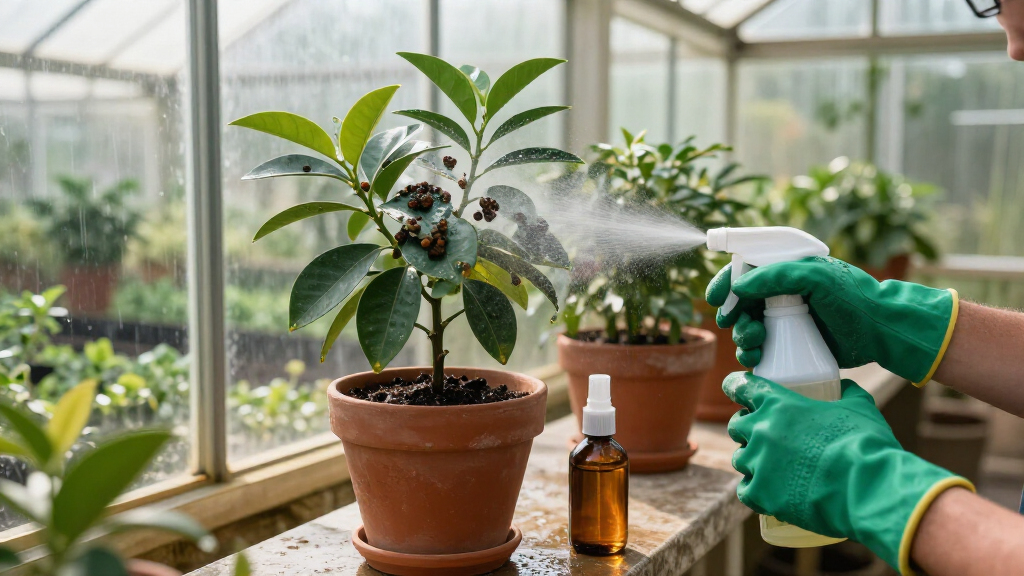
I evaluated each product through the lens of what actually matters when fighting mealybugs: speed of knockdown, effectiveness against the waxy adult stage, plant and surface safety, ease of application, and value per treatment. Because mealybugs hide in leaf axils, undersides, and soil crevices, I weighed ready-to-use sprayers that reach tight spaces and systemics that protect untreated growth more heavily than broad-spectrum claims. Products also had to fit realistic use cases — a concentrate that’s economical for a whole greenhouse scores differently than a 32-ounce ready-to-use bottle meant for six houseplants.
The ranking reflects a deliberate balance of these factors rather than raw potency alone. Forgiving, effective contact sprays rank highest for most buyers because they handle the majority of infestations safely. Systemics follow as the best complement for recurring outbreaks, and the harshest chemical concentrate ranks lower despite its power because its restrictions exclude the typical houseplant owner. Where two soaps performed nearly identically, size, sprayer design, and versatility broke the tie.
| mealybug control product | Form |
|---|---|
| Bonide Captain Jack’s Insectic | Ready-to-use spray |
| EcoVenger Garden Insect Contro | — |
| Sierra Natural Science SNS-209 | Concentrate |
| Garden Safe Insecticidal Soap | Ready-to-use spray |
| Natria Insecticidal Soap | Ready-to-use spray |
| Bonide Systemic Houseplant Ins | Granules |
| Bonide Insecticidal Soap Ready | Ready-to-use spray |
| Atticus Talak 7.9% Bifenthrin | Liquid concentrate |
| Safer Brand Insect Killing Soa | — |
| Earth’s Ally 3-in-1 Plant Spra | Ready-to-use spray |
| Bonide Captain Jack’s Neem Oil | Ready-to-use trigger spray |
| ARBER Organic Insecticide Spra | Liquid concentrate |
| BioAdvanced Organics Neem Oil | Ready-to-use trigger spray |
| NatureStop Mealy Bug Killer fo | — |
Factors to Consider When Choosing Best Mealybug Control Products
Choosing a mealybug product is less about finding the strongest chemical and more about matching the treatment type to your infestation, your plants, and where those plants live. Before you buy, these are the factors that separate a one-bottle fix from a wasted afternoon.Contact Kill vs. Systemic Protection
The biggest decision is whether you need a contact spray that kills on touch or a systemic that gets absorbed into the plant tissue. Contact sprays — soaps, Super Soap, and pyrethrins — work within hours but only kill the bugs you actually hit, and mealybugs are masters of hiding in leaf joints and soil lines. Systemics like SNS-209 or Bonide granules flip the equation: the plant itself becomes toxic to feeding insects, so hidden nymphs die as they eat. The catch is timing — systemics take one to three weeks to build up in the plant, which is an eternity during a visible outbreak. Most successful treatments pair both: a contact spray for immediate knockdown, then a systemic for the survivors. Buyers who buy only one type usually end up re-fighting the same infestation a month later, because eggs hatch after the spray residue is gone.
Indoor vs. Outdoor Use
Where your plants live should narrow your choices immediately. Ready-to-use soaps and botanical sprays are the safe default for indoor plants because they carry minimal fumes and no residual toxicity on surfaces. Concentrated synthetic insecticides like bifenthrin are formulated for outdoor ornamentals and lawns; spraying them in a living room means chemical residue on furniture, floors, and air you breathe daily. Outdoor growers get more latitude, but even then, broad-spectrum products don’t distinguish between mealybugs and beneficial insects like ladybugs and lacewings that would otherwise keep pests in check for free. If you treat outdoor plants during bloom, you also risk harming visiting pollinators. The label is the final word here — applications outside the label aren’t just risky, they’re illegal in many jurisdictions.
Edible Plants and Harvest Intervals
Anyone treating herbs, citrus, or vegetables needs to check the label for edible-plant clearance and pre-harvest intervals before buying anything. Most insecticidal soaps can be applied right up to harvest day because their active ingredients degrade on contact and leave no meaningful residue. Neem-based products are usually permitted on edibles but often carry a short waiting period, typically a few days to harvest. Synthetic systemics are a different story — many are outright prohibited on food crops because the chemical persists inside the fruit or leaves you’ll eat. A common and expensive mistake is treating a potted lemon tree or basil with a systemic granule labeled only for ornamentals, effectively rendering the harvest off-limits. When in doubt, a plain soap spray is the only category you can apply to almost any edible without paperwork.
Concentrate vs. Ready-to-Use
Format affects cost and convenience more than most buyers expect. Ready-to-use bottles are premixed with a trigger sprayer, which makes them perfect for small infestations, spot treatments, and anyone who doesn’t want to handle mixing — but you pay a premium per ounce of active ingredient. Concentrates like Safer Brand’s soap concentrate or EcoVenger deliver many gallons of finished spray from one small bottle, which is the economical route once you’re treating more than a handful of plants or expecting repeat outbreaks. The tradeoff is measurement, dilution error, and storing a chemical container safely away from children and pets. A useful rule of thumb: if your infestation fits on a few plants, buy ready-to-use; if you’re treating a collection or a garden bed, concentrate pays for itself quickly. Also check the sprayer on ready-to-use bottles — a weak stream that can’t flip upside down makes treating leaf undersides twice the chore.
Reinfestation and the Egg Problem
Mealybug infestations almost always come back after a single treatment, and the reason is eggs and crawlers hidden where spray doesn’t reach. Adult females lay cottony egg sacs in soil, pot rims, and crevices, and hatchlings emerge days after you’ve declared victory. That’s why repeat applications every five to seven days for three to four weeks are the standard protocol for contact products, regardless of brand. Buying based on a single-application mindset is the most common failure mode I see in this category. Systemics help break this cycle because new hatchlings feed on treated tissue and die, but even they need reapplication every few weeks during a bad outbreak. Quarantine new plants for two weeks before introducing them to your collection — prevention costs nothing compared to a fourth round of spraying.
Plant Sensitivity and Phytotoxicity
Not every plant tolerates every spray, and the wrong product can burn leaves worse than the bugs damage them. Ferns, succulents, jade plants, and some herbs are notoriously sensitive to soaps and oil-based sprays, especially when applied in direct sun or high heat. Oil products like neem carry extra risk in temperatures above 85°F, where they can scorch foliage. Test any new product on a small section of the plant and wait 48 hours before full coverage — a step that takes patience but saves entire plants. Avoid spraying stressed, drought-stricken, or freshly repotted plants, since their defenses are already low. If you keep a mixed collection of delicate species, gentle botanical sprays with short ingredient lists are the safer bet over aggressive synthetic formulas.
Frequently Asked Questions
Do insecticidal soaps actually work on mealybugs, or do I need something stronger?
Insecticidal soaps do work on mealybugs, but with an important caveat: they only kill on direct contact, and mealybugs’ waxy coating helps them survive light sprays. Success depends entirely on coverage — you need to soak leaf undersides, stem joints, and soil crevices where the insects cluster, not just mist the top of the plant. Soaps also do nothing to eggs hidden in cottony sacs, which is why a single treatment rarely ends an infestation. Stronger options like systemic concentrates or bifenthrin kill more reliably but come with restrictions on edibles, indoor use, or pollinator exposure. For most houseplant owners, thorough soap applications repeated weekly for a month solve the problem without those tradeoffs. Reserve the stronger chemistry for outdoor ornamentals or infestations that survived two rounds of soap.
Are systemic granules safe to use on houseplants around pets and kids?
Systemic granules are generally considered lower-risk than sprays because there’s no airborne chemical or wet residue, but low-risk isn’t the same as risk-free. The chemical gets taken up into the plant’s tissue, which means leaves and soil remain toxic to insects — and potentially harmful — for weeks after application. Cats that chew on houseplant leaves are the most common concern, and dogs that dig in pot soil are a close second. If you have a pet that nibbles plants, granules are a poor match, and a contact soap you can rinse off is the better route. Keep treated pots out of reach during the application window and water them in a sink or tub so granules don’t sit exposed on the soil surface. As always, read the label’s specific animal warnings before deciding.
How long until I see results, and when should I give up and try a different product?
Contact sprays should kill visible mealybugs within hours to a day, so if you’re still seeing live, mobile bugs 48 hours after a thorough soaking, either your coverage missed their hiding spots or that product isn’t cutting it. Systemics are the opposite — they take one to three weeks to show effect because the plant must first absorb and distribute the chemical, so judging them after three days is a mistake. The realistic timeline for any single approach is three to four weeks of repeat applications, since eggs hatch in cycles. If you’ve done two full weeks of proper contact spraying with no decline, switch products rather than repeating the same one — resistance or heavy wax coverage is likely the issue. Combining a contact spray with a systemic is usually faster than swapping between sprays.
Can I use neem oil and insecticidal soap together on the same plant?
Yes, but not in the same spraying session and not without testing. Combining neem oil and soap in one mix can double the risk of leaf burn, especially on sensitive plants like ferns, succulents, and jade plants, and the mixture sometimes separates or clogs sprayers. A safer approach is alternating: use insecticidal soap for direct knockdown one week, then neem a few days later as a follow-up that also disrupts feeding and reproduction. Never apply either product in direct sunlight or high heat, since oil sprays in particular scorch leaves above roughly 85°F. Always spot-test the combination schedule on one leaf and wait 48 hours before treating the whole plant. This alternation strategy is one of the most effective organic protocols for stubborn mealybug outbreaks.
Is it better to buy a concentrate or a ready-to-use spray for a small houseplant collection?
For a small collection of fewer than roughly ten plants, ready-to-use spray is almost always the smarter buy despite the higher cost per ounce. Concentrates force you to measure, mix, and store leftover chemical, and a 16-ounce concentrate can make more spray than a small-collection owner will use before it degrades — most diluted mixtures lose effectiveness within a day or two. Ready-to-use bottles also come with matched trigger sprayers designed for the product’s viscosity, and a good sprayer that works upside down matters more than people expect when you’re chasing mealybugs under leaves. The exception is recurring infestations: if you’re treating repeatedly over months, a concentrate starts saving money by the third or fourth mixing. Concentrate also makes sense if you’re treating outdoor beds alongside your houseplants. Otherwise, the convenience and waste reduction of ready-to-use wins.
Conclusion
The right pick depends less on brand loyalty and more on what you’re treating and where. For the best overall choice, Bonide Captain Jack’s Insecticidal Super Soap balances fast knockdown, plant safety, and ready-to-use simplicity better than anything else in this lineup. Best value goes to Garden Safe Insecticidal Soap — it’s the most economical effective soap for multi-plant collections, while NatureStop Mealy Bug Killer is the strongest budget option made specifically for indoor plants. For beginners, Bonide Systemic Houseplant Insect Control Granules remove the guesswork entirely: sprinkle, water, and wait, with no spraying or mixing to get wrong. The premium pick is Sierra Natural Science SNS-209 Systemic Concentrate, a dual-purpose systemic-and-contact formula for serious growers battling recurring infestations. Outdoor ornamental growers with heavy pressure should look at Atticus Talak Bifenthrin, and organic-focused buyers will be happiest with Captain Jack’s Neem Oil or ARBER Organic Insecticide. Whatever you choose, plan on repeat applications and quarantine new plants — no single bottle outruns good plant hygiene.
Fall Picks
fall essentials
As an affiliate, we earn on qualifying purchases.