
If you’re searching for the best unusual vegetable seeds, the Sow Right Seeds Rare Exotic Vegetable Seed Collection earns the top spot because it spreads risk across multiple oddities, so one stubborn variety won’t sink your whole experiment. For a single showstopper, the Cucamelon (Mexican Sour Gherkin) is the easiest conversation piece to grow, while the Midnight Dream Bell Pepper rewards patient gardeners with dramatic near-black fruit. The main tradeoff in this category is novelty versus difficulty: many unusual vegetables have long seasons, unusual germination needs, or low seed counts per packet. Hybrid novelty packs sacrifice variety depth for breadth, while single-variety heirloom packets demand more patience per plant. Keep reading for the full breakdown of which packets fit your climate, skill level, and garden space.

Get garden gear delivered free — and shop member deals
- Fast, free delivery on millions of items
- Access to Prime Big Deal Days deals on October 6–7
- Prime Video, Amazon Music and more included
Complete the kit



Key Takeaways
- Multi-variety collections like the Rare Exotic Vegetable Seed Collection ranked highest for most buyers because they hedge against germination failures across unfamiliar crops.
- Cucamelon appears twice in this roundup from different sellers, and the differences in seed count, germination information, and packet support matter more than the variety itself.
- The Midnight Dream Bell Pepper and Spoon Currant Tomato are the most demanding picks here — both need long warm seasons and steady attention, making them poor first choices for beginners.
- Rattlesnake Pole Beans and Luffa Gourds stand out as the most forgiving unusual crops, tolerating heat, poor soil, and irregular watering better than any other variety compared.
- Seed count per dollar varies dramatically in this category: heirloom single-variety packets often include 20 seeds or fewer, which limits room for trial-and-error germination.
| Sow Right Seeds Luffa Gourd Seeds |  | Best Two-for-One Project | Seed quantity: About 30 seeds (minimum 2 g) | Plant type: Luffa aegyptiaca | Days to maturity: 150–200 days | VIEW LATEST PRICE | See Our Full Breakdown |
| Sow Right Seeds Rare Exotic Vegetable Seed Collection |  | Best Overall | Packet count: 10 packets, 100 total units | Varieties: Golden Globe beet, Romanesco broccoli, cucamelon, lemon cucumber, Chocolate Beauty pepper, Kellogg’s Breakfast tomato, watermelon radish, Tendersweet watermelon, Opal basil, Rainbow Swiss chard | Sunlight: Full sun | VIEW LATEST PRICE | See Our Full Breakdown |
| Sow Right Seeds Cucamelon (Mexican Sour Gherkin) Seeds |  | Best for Small Harvests, Fast | Botanical name: Melothria scabra | Seed quantity: About 65 seeds | Days to maturity: 65–75 days | VIEW LATEST PRICE | See Our Full Breakdown |
| Sow Right Seeds Midnight Dream Bell Pepper Seeds |  | Best Showstopper | Plant type: Bell pepper (Capsicum annuum) | Seed quantity: About 40 seeds (minimum 300 mg) | Days to maturity: 65–85 days | VIEW LATEST PRICE | See Our Full Breakdown |
| Sow Right Seeds Rattlesnake Pole Bean Seeds |  | Best Value and Easiest to Grow | Plant type: Phaseolus vulgaris (pole bean) | Seed quantity: Minimum 13 g (about 40 seeds) | Days to maturity: 55–65 days | VIEW LATEST PRICE | See Our Full Breakdown |
| Rare Heirloom Vegetable and Fruit Seeds, 6-Variety Pack |  | Best Variety Starter Kit | Varieties: 6 | Included varieties: Romanesco broccoli, watermelon radish, lemon cucumber, Purple Vienna kohlrabi, Opal basil, Tendersweet Orange watermelon | Seed type: Heirloom, non-GMO, open-pollinated | VIEW LATEST PRICE | See Our Full Breakdown |
| World’s Smallest Spoon Currant Tomato Seeds, Heirloom Non-GMO, 20+ Seeds |  | Best for Containers and Small Spaces | Seed count: 20+ | Days to maturity: 62 days from transplant | Germination rate: 95% | VIEW LATEST PRICE | See Our Full Breakdown |
| 75 Cucamelon Heirloom Vegetable Seeds for Planting, Melothria Scabra |  | Best Low-Maintenance Novelty Crop | Seed count: 75 | Germination time: 10–14 days | Yield: 100+ fruits per plant | VIEW LATEST PRICE | See Our Full Breakdown |
| unusual vegetable seed | Days to maturity | Plant height | Seed quantity | USDA zones |
|---|---|---|---|---|
| Sow Right Seeds Luffa Gourd Se | 150–200 days | — | About 30 seeds (minimum 2 g) | 6–12 |
| Sow Right Seeds Rare Exotic Ve | — | — | — | — |
| Sow Right Seeds Cucamelon | 65–75 days | 8–10 feet (vining) | About 65 seeds | 2–11 |
| Sow Right Seeds Midnight Dream | 65–85 days | 18–30 inches | About 40 seeds (minimum 300 mg) | 3–12 |
| Sow Right Seeds Rattlesnake Po | 55–65 days | 8–10 feet | Minimum 13 g (about 40 seeds) | 3–10 |
| Rare Heirloom Vegetable and Fr | — | — | — | — |
| World’s Smallest Spoon Currant | 62 days from transplant | 6 feet | — | — |
| 75 Cucamelon Heirloom Vegetabl | — | 45 inches | — | — |
More Details on Our Top Picks
Sow Right Seeds Luffa Gourd Seeds
Most unusual vegetables give you one payoff; this one gives you two. Harvest the fruits young and you get an edible gourd, or let them mature on the vine for 150–200 days and you can grow your own natural bath sponges. That dual purpose is what earns it a spot here, because nothing else in this lineup — not the Midnight Dream Bell Pepper nor the Rattlesnake Pole Bean — produces a usable household object. The tradeoff is patience: compared with the cucamelon’s 65–75 day maturity, this is a season-and-a-half commitment that demands warm soil and a long growing window. Gardeners in zones 6–12 with sandy soil and a sturdy trellis will get the most from it; northern growers with short seasons should treat it as a greenhouse project or skip it.
Pros:- Fruits serve double duty as food and natural bath sponges
- Non-GMO heirloom seed line with reliable genetics
- Growing instructions included so beginners can follow along
- About 30 seeds per packet is generous for a large-vining crop
Cons:- 150–200 days to maturity is the longest wait in this entire roundup
- Needs full sun and 70–85°F soil, so it fails without a genuinely warm season
Best for: Warm-climate gardeners in zones 6–12 who want a long-season novelty that doubles as a functional sponge crop
Not ideal for: Northern gardeners with short summers — the 150–200 day maturity window makes a full sponge harvest nearly impossible without a greenhouse
- Seed quantity:About 30 seeds (minimum 2 g)
- Plant type:Luffa aegyptiaca
- Days to maturity:150–200 days
- Germination time:7–10 days
- Ideal soil temperature:70–85°F
- USDA zones:6–12
- Seed traits:Non-GMO, heirloom
Our verdict“Buy this if you have a long, hot growing season and want the most conversation-starting plant in the roundup — a vegetable that becomes a sponge.”
Sow Right Seeds Rare Exotic Vegetable Seed Collection
If you only buy one item from this roundup, this is the one. Ten packets spanning Romanesco broccoli, cucamelon, watermelon radish, Chocolate Beauty pepper, and Kellogg’s Breakfast tomato deliver the whole unusual-vegetable experience in a single purchase, where the standalone Cucamelon packet gives you just one variety. The real value is spreading risk across ten crops: if the Romanesco sulks in your climate, the Rainbow Swiss chard will still carry the season. That said, this collection is a sampler, not a deep dive — each packet holds fewer seeds than a dedicated single-variety pack, and germination can be uneven across such a wide mix of species. It also demands full sun and consistent watering across the board, so it suits a prepared bed rather than a casual container setup.
Pros:- Ten distinct heirloom varieties cover vegetables, herbs, and melons
- Bundles crops with different maturities so the season stays interesting
- Growing instructions on every packet
- Non-GMO heirloom seeds across the whole set
Cons:- Fewer seeds per packet than buying any single variety alone
- Germination success varies widely between the ten very different species
Best for: Gardeners new to unusual vegetables who want to trial ten exotic varieties at once and discover what thrives in their plot
Not ideal for: Gardeners who already know they love one specific variety — a dedicated single-variety packet offers more seeds of that crop for the same shelf space
- Packet count:10 packets, 100 total units
- Varieties:Golden Globe beet, Romanesco broccoli, cucamelon, lemon cucumber, Chocolate Beauty pepper, Kellogg’s Breakfast tomato, watermelon radish, Tendersweet watermelon, Opal basil, Rainbow Swiss chard
- Sunlight:Full sun
- Soil type:Loam with regular watering
- Usage:Indoor and outdoor
- Seed traits:Non-GMO, heirloom
Our verdict“This collection makes the most sense for anyone who wants the broadest introduction to unusual vegetables without committing to a single crop.”
Sow Right Seeds Cucamelon (Mexican Sour Gherkin) Seeds
Compared with the Luffa Gourd’s marathon 150–200 day wait, the cucamelon delivers grape-sized, tangy fruits in just 65–75 days, making it the fastest route to a genuinely strange harvest in this lineup besides the Rattlesnake Pole Bean. The citrusy crunch works in pickles, salads, and straight-off-the-vine snacking, and the packet’s roughly 65 seeds outnumbers most competitors here by a wide margin. Its adaptability is a quiet strength — suitable from USDA zones 2 through 11, a range the luffa (zones 6–12) can’t touch. The catch is infrastructure: this is an 8–10 foot vine, so a trellis isn’t optional. It’s also a smaller yield-per-plant crop than pole beans, so plant generously if you want bowlfuls rather than garnish-level quantities.
Pros:- Fast 65–75 day maturity is among the quickest in this roundup
- About 65 seeds per packet offers generous sowing room
- Grows across USDA zones 2–11, the widest climate range of any pick here
- Tangy, citrusy flavor suits pickles, salads, and fresh snacking
Cons:- Vines demand a trellis and can reach 8–10 feet
- Per-plant yields are modest compared with a bean crop like the Rattlesnake
Best for: Snack-oriented gardeners in nearly any climate who want a quick, trellis-friendly novelty fruit for pickling and grazing
Not ideal for: Gardeners without room or willingness to build a trellis — the 8–10 foot vines will overrun neighboring beds without support
- Botanical name:Melothria scabra
- Seed quantity:About 65 seeds
- Days to maturity:65–75 days
- Germination time:7–14 days at 70–80°F
- Plant height:8–10 feet (vining)
- USDA zones:2–11
- Seed type:Non-GMO heirloom
Our verdict“This pick makes the most sense for gardeners who want an unusual, snackable harvest in a single season without the luffa’s half-year commitment.”
Sow Right Seeds Midnight Dream Bell Pepper Seeds
Where the cucamelon wins on speed, this pepper wins on drama. Fruits that mature from green to a deep ebony black are genuinely striking on the plant and on a plate, and unlike many novelty peppers the payoff is practical — large, blocky fruits suited to stuffing, grilling, and stir-fries. The culinary utility puts it ahead of more ornamental oddities, and it grows across zones 3–12, far wider than the heat-loving luffa. Still, the 65–85 day maturity sits mid-pack, and germination demands 75–85°F soil, which usually means starting seeds indoors in most climates — a step container gardeners and true beginners may not want to take. Compared with the Rare Exotic Collection, you also get a single crop rather than a season of variety, so this is a centerpiece plant, not a garden plan.
Pros:- Deep black fruits are among the most visually striking in the roundup
- Sweet, mild flavor with real kitchen versatility, unlike purely ornamental novelties
- About 40 seeds per packet allows multiple sowings and season-to-season supply
- Works across USDA zones 3–12
Cons:- Needs warm indoor germination setup to get seedlings started reliably
- Single-variety packet means no crop diversity compared with the 10-packet collection
Best for: Home cooks who want a visually dramatic but genuinely useful sweet pepper for stuffing and grilling, and who can start seeds indoors
Not ideal for: Gardeners who want to direct-sow and walk away — germination requires 75–85°F soil, so indoor starting is nearly mandatory outside hot climates
- Plant type:Bell pepper (Capsicum annuum)
- Seed quantity:About 40 seeds (minimum 300 mg)
- Days to maturity:65–85 days
- Germination:8–15 days at 75–85°F soil
- Plant height:18–30 inches
- USDA zones:3–12
- Fruit color:Green maturing to ebony black
Our verdict“Choose this if you want one bold, edible centerpiece plant that turns heads at dinner — and you’re willing to start seeds indoors.”
Sow Right Seeds Rattlesnake Pole Bean Seeds
Beans are the most forgiving crop in any unusual-vegetable lineup, and this heirloom earns its place through sheer productivity and speed — purple-streaked pods ready in 55–65 days, the fastest maturity of anything here. While the Midnight Dream Pepper fusses over 75–85°F germination soil, these beans sprout reliably at 65–75°F, making them the best entry point for beginners who want an unusual harvest on the first try. The seed packet is also the heaviest in this batch at roughly 13 grams, so you can sow successive rounds through summer. The tradeoff is vertical ambition: 8–10 foot vines need a serious trellis, comparable to the cucamelon’s demands. And unlike the luffa or black pepper, this is a familiar vegetable wearing a streaked costume — eye-catching, but not truly exotic on the plate.
Pros:- Fastest maturity in the roundup at 55–65 days
- Germinates easily at 65–75°F without indoor starting
- Generous 13 g packet supports multiple succession plantings
- Heirloom purple-streaked pods add visual interest to the garden
Cons:- Vines climb 8–10 feet and require a sturdy trellis
- Flavor is conventional green bean rather than a novel taste experience
Best for: Beginners and value-focused gardeners who want a fast, reliable, heavy-yielding crop with a distinctive look
Not ideal for: Gardeners chasing truly exotic flavors — despite the streaks, this still eats like a standard green bean
- Plant type:Phaseolus vulgaris (pole bean)
- Seed quantity:Minimum 13 g (about 40 seeds)
- Days to maturity:55–65 days
- Germination:4–10 days at 65–75°F soil
- Plant height:8–10 feet
- USDA zones:3–10
- Seed type:Non-GMO heirloom
Our verdict“This option stands out for gardeners who prioritize a guaranteed, fast harvest over true novelty — the easiest win on this list.”
Rare Heirloom Vegetable and Fruit Seeds, 6-Variety Pack
For gardeners who want to sample unusual vegetables without committing to a single crop, this six-variety pack spreads the bet across Romanesco broccoli, watermelon radish, lemon cucumber, kohlrabi, Opal basil, and an orange watermelon. Compared with single-variety options like the Spoon Currant Tomato Seeds, this bundle trades depth for breadth — you get a full unusual garden in one purchase, but fewer seeds per variety. The open-pollinated, seed-saving instructions mean a patient grower can keep these heirloom lines going indefinitely, which the cucamelon option can’t match. The tradeoff is variety-specific care: Romanesco is famously fussy about temperature, and the watermelon needs a long, warm season that zone 3–4 growers may struggle to provide.
Pros:- Six genuinely distinctive heirloom varieties spanning vegetables, herbs, and fruit
- Open-pollinated seeds with seed-saving instructions for long-term self-sufficiency
- Untreated and non-GMO seed suited to organic growing practices
- Variety-specific planting, growing, and harvesting guidance included
Cons:- Romanesco and watermelon demand careful timing and long warm seasons, raising the difficulty level
- No variety can be grown in bulk, limiting harvest volume per crop
Best for: Curious gardeners who want to trial six conversation-piece crops in a single season and eventually save their own seeds
Not ideal for: Gardeners who want a large quantity of one specific crop — each variety gets only a small packet’s worth of seed
- Varieties:6
- Included varieties:Romanesco broccoli, watermelon radish, lemon cucumber, Purple Vienna kohlrabi, Opal basil, Tendersweet Orange watermelon
- Seed type:Heirloom, non-GMO, open-pollinated
- Seed treatment:Untreated
- Hardiness zones:3–10
- Sunlight:Full sun
- Planting season:Spring
Our verdict“A one-purchase gateway into unusual heirloom gardening for anyone willing to manage six different crops at once.”
World’s Smallest Spoon Currant Tomato Seeds, Heirloom Non-GMO, 20+ Seeds
These tiny currant tomatoes occupy a niche none of the larger-fruited options in this roundup touch: grape-sized, intensely sweet fruit from a plant happy in a hanging basket or patio container. While the Sow Right Seeds Rattlesnake Pole Bean needs serious trellis space, this semi-determinate tomato spreads low and manageable at three-to-four-foot spacing. The listed 95% germination rate is reassuring given you only get 20+ seeds — every one counts. The catch is setup: germination demands a warm 70–75°F soil temperature, so cold-climate growers will need a heat mat or indoor start, and the six-foot vines still sprawl enough to need some support despite the compact billing.
Pros:- Intensely sweet, currant-sized fruit ideal for salads and garnishes
- Thrives in containers and hanging baskets where standard tomatoes fail
- Listed 95% germination rate with fast 7–14 day sprouting
- Heirloom, non-GMO, open-pollinated seeds suitable for seed saving
Cons:- Germination requires consistently warm 70–75°F soil, often needing a heat mat
- Small seed count means little margin for beginner sowing mistakes
- Six-foot vines still require staking or basket training despite the compact habit
Best for: Balcony and patio gardeners who want snackable, salad-ready tomatoes from containers or hanging baskets
Not ideal for: Growers wanting heavy slicer-style tomato harvests — these fruits are garnish-sized and small-batch by nature
- Seed count:20+
- Days to maturity:62 days from transplant
- Germination rate:95%
- Germination soil temperature:70–75°F
- Plant height:6 feet
- Growing habit:Semi-determinate, low and spreading
- Hardiness zones:4–10
- Seed type:Heirloom, non-GMO, open-pollinated
Our verdict“A niche winner for small-space gardeners who value novelty snacking tomatoes over bulk harvests.”
75 Cucamelon Heirloom Vegetable Seeds for Planting, Melothria Scabra
Cucamelons are the crowd-pleaser of unusual-vegetable gardening, and this 75-seed pack is the easiest entry point among the novelty picks here. Where the Sow Right Seeds Cucamelon (Mexican Sour Gherkin) offering competes directly, this pack differentiates with drought tolerance and pest resistance — genuine time-savers for weekend-only gardeners. The 100+ fruits per plant claim, combined with compact 45-inch vines, means a container on a sunny patio can out-produce the sprawling Spoon currant tomato with a fraction of the attention. The real limitation is climate: as a tender perennial rated for USDA zones 9–11, northern growers must treat it as an annual or overwinter it indoors, and the seeds still insist on warm soil for those fast 10–14 day sprouts.
Pros:- Over 100 cucumber-lime flavored fruits per plant from compact vines
- Drought-tolerant and pest-resistant, forgiving of inconsistent care
- Generous 75-seed count with fast 10–14 day germination
- Works on windowsills indoors or in patio containers, with a growing guide included
Cons:- Tender perennial that won’t survive winters outside USDA zones 9–11
- Still needs warm soil at germination, limiting direct outdoor sowing in spring
Best for: Busy or forgetful gardeners who want a high-yield novelty crop that shrugs off pests and irregular watering
Not ideal for: Cold-climate growers seeking a perennial — outside zones 9–11 it dies off each winter and needs replanting or indoor overwintering
- Seed count:75
- Germination time:10–14 days
- Yield:100+ fruits per plant
- Plant height:45 inches
- USDA hardiness zones:9–11
- Special features:Drought tolerant, pest resistant, growing guide included, GMO free
- Sunlight:Full sun
Our verdict“The most forgiving unusual vegetable in the lineup for low-effort gardeners in warm zones or containers.”
How We Picked
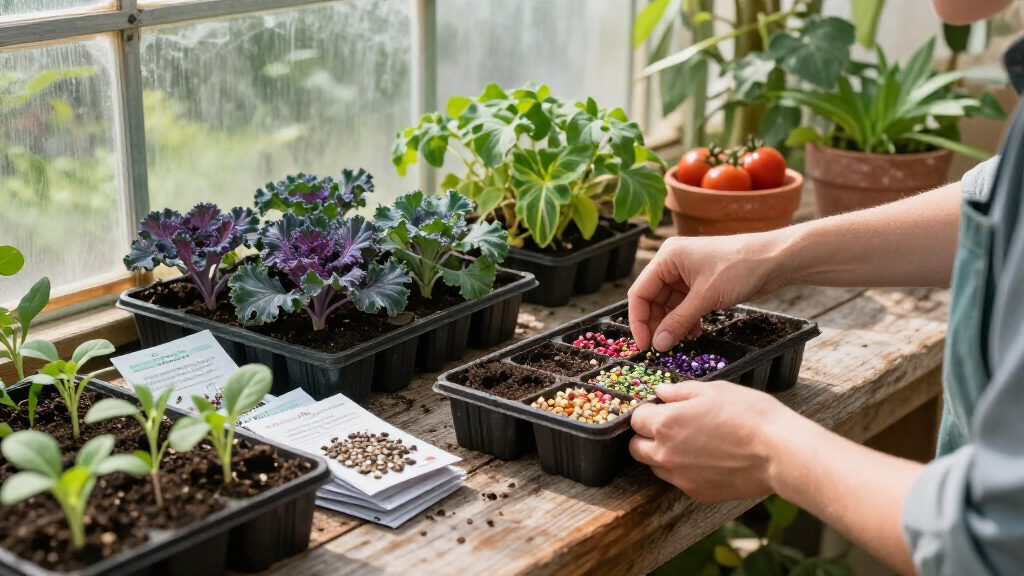
I evaluated these eight seed packets against four buyer-relevant criteria: germination reliability (freshness indicators, sourcing transparency, and whether the seller provides germination guidance), growing difficulty (days to maturity, climate demands, and how forgiving each crop is for a first-time unusual-vegetable grower), packet value (seed count relative to realistic garden yield, not just sticker comparisons), and novelty payoff — whether the harvest actually delivers something you can’t buy at a grocery store. A variety that looks wild on the packet but produces bland food scored lower than one with genuine eating or ornamental value.
The ranking logic favors diversity-first collections at the top because unfamiliar crops carry inherent germination risk, and a multi-variety packet protects your investment. Single-variety packets were ordered by how well they balance difficulty against reward: forgiving climbers like the Rattlesnake Pole Bean placed above heat-hungry, slow-maturing peppers and ultra-tiny currant tomatoes. Duplicate varieties from different sellers were kept in the lineup deliberately, because packet size and seller support genuinely change the buying decision.
| unusual vegetable seed | Seed quantity | Seed type |
|---|---|---|
| Sow Right Seeds Luffa Gourd Se | About 30 seeds (minimum 2 g) | — |
| Sow Right Seeds Rare Exotic Ve | — | — |
| Sow Right Seeds Cucamelon | About 65 seeds | Non-GMO heirloom |
| Sow Right Seeds Midnight Dream | About 40 seeds (minimum 300 mg) | — |
| Sow Right Seeds Rattlesnake Po | Minimum 13 g (about 40 seeds) | Non-GMO heirloom |
| Rare Heirloom Vegetable and Fr | — | Heirloom, non-GMO, open-pollinated |
| World’s Smallest Spoon Currant | — | Heirloom, non-GMO, open-pollinated |
| 75 Cucamelon Heirloom Vegetabl | — | — |
Factors to Consider When Choosing Best Unusual Vegetable Seeds
Choosing unusual vegetable seeds involves different calculations than buying standard tomatoes or beans. Below are the factors that most influence whether your novelty garden thrives or disappoints.Match the Crop to Your Growing Season
The single biggest mistake with unusual vegetables is ignoring days to maturity. Many novelty crops — luffa gourd in particular — need 150 to 200 frost-free days to reach their intended harvest stage, which rules out short-season climates unless you start seeds indoors weeks ahead of your last frost. Peppers like Midnight Dream need sustained heat to ripen from green to that dramatic dark color, and an under-ripe novelty pepper often tastes ordinary. Beans and cucamelons, by contrast, mature in 60 to 75 days and fit nearly any temperate growing season. Before buying, count your realistic frost-free days and subtract two weeks as a buffer for slow germination, which is common with unfamiliar seeds. If the math doesn’t work, choose a faster variety or plan to start indoors under lights — don’t assume the packet dates will bend for your climate.
Seed Count and Room for Error
Unusual varieties frequently come in small packets — sometimes 20 seeds or fewer — and that changes how you should plant. With a standard packet of 200 bean seeds, losing half to poor germination is an inconvenience; with 15 currant tomato seeds, it can end the experiment entirely. My advice is to sow unfamiliar seeds in stages: start a third indoors under controlled conditions, direct-sow a third when soil warms, and hold a third in reserve in case of late frost or damping-off. Also check whether seeds are open-pollinated heirlooms, because successful plants then let you save seed for next year and effectively multiply your purchase. Collections earn their place here partly for this reason — a six-variety pack gives you multiple independent chances at a good outcome.
Difficulty and Skill Fit
Novelty does not have to mean difficult, but the two often travel together. Vining crops like luffa and rattlesnake beans need tall, sturdy trellises — think 6 to 8 feet — and will overwhelm a small raised bed or balcony container. Currant tomatoes produce tiny fruit but ramble like a full-size tomato plant and require the same staking and pruning attention. If you’re new to vegetables entirely, start with cucamelons or pole beans, which forgive irregular watering and mediocre soil. Save peppers and long-season gourds for a season when you can water consistently and monitor daily. A common trap is treating an unusual variety like its familiar cousin — luffa is not a zucchini, and giving it zucchini’s timeline and spacing guarantees disappointment.
Heirloom Versus Novelty Hybrids
Buyers in this category face a real fork: heirloom open-pollinated seeds (rattlesnake beans, currant tomatoes, most cucamelon packets) versus varieties bred primarily for appearance. Heirlooms let you save seed, tend to have established growing wisdom available online from decades of gardeners, and usually taste as good as they look. Appearance-first novelties can sometimes prioritize looks over flavor — a striking black pepper or tiny tomato may deliver less eating pleasure than its conventional equivalent. Before buying any unusual variety, ask what you actually want: a great vegetable that happens to be strange, or a strange plant that’s mostly a talking point. Both are legitimate goals, but they lead to different purchases.
Germination Support and Sourcing
With unfamiliar crops, the quality of instructions matters as much as the seeds themselves. Luffa seeds benefit from soaking or nicking before planting; some peppers and heirloom tomatoes germinate slowly and erratically without warmth. Packets from established seed companies typically include germination rates, planting depth, spacing, and regional timing guidance, while bulk resellers sometimes ship seeds in plain envelopes with little more than a plant name. If you’re buying from a smaller seller, check that they state seed freshness or a packed-for year — old seed is the most common cause of failed novelty gardens. Also confirm your growing zone appears plausible for the crop; a seller who claims a tropical gourd grows everywhere is being optimistic on your behalf.
Space, Trellising, and Realistic Yield
Finally, plan the garden math before ordering. One luffa vine can cover a fence panel; two rattlesnake bean plants will feed a family from a single teepee; but a packet of currant tomatoes yields fruit by the tablespoon, not the pound. Match packet ambition to your actual space and appetite, and be honest about how much of a novelty harvest you’ll eat. This is another argument for collections: six varieties spread across a season produce a steady stream of interesting dinners rather than a single overwhelming glut of something unfamiliar. And if your goal is gifts or preserves — luffa sponges are the classic example — calculate yield in finished products, not fruit count.
Frequently Asked Questions
Are unusual vegetables harder to grow than regular vegetables?
Not always, and the differences within this roundup are bigger than the gap between unusual and conventional crops generally. Cucamelons and rattlesnake pole beans are genuinely easier than many standard tomatoes — they resist pests, tolerate heat, and forgive missed waterings. On the other end, luffa gourds and midnight peppers demand long warm seasons and consistent care. The pattern to watch is crop family, not novelty itself: unusual beans, greens, and cucumbers tend to behave like their familiar cousins, while unusual gourds, peppers, and tomatoes often inherit the fussiness of their family along with the strange appearance. Read the maturity requirements honestly and the difficulty becomes predictable.
Which of these unusual vegetables is best for a beginner?
The cucamelon is the clearest beginner pick — it germinates reliably, grows quickly, needs only a modest trellis, and produces snackable fruit within about 70 days with very little intervention. Rattlesnake pole beans are a close second and even more productive per square foot. I’d steer beginners away from starting with currant tomatoes or luffa gourds, not because they’re impossible but because their slow germination and long seasons give you months of waiting before you know whether things went wrong. A multi-variety collection also works well for beginners because it lets you learn which novelty crops suit your garden before committing to any single one at scale.
Can I save seeds from unusual vegetables to grow next year?
For the heirloom, open-pollinated varieties in this roundup — rattlesnake beans, currant tomatoes, cucamelons, and most heirloom collection varieties — yes, seed saving works well and is one of the best ways to offset small packet sizes. Beans are the easiest: let pods dry on the vine and store the seeds in a cool, dark place. Tomatoes require a short fermentation process to remove germination-inhibiting gel, and cucamelons need fruit left to fully ripen past eating stage. Two cautions apply: if you grow multiple varieties of the same species nearby, cross-pollination can produce surprises next season, and saved seed from hybrids won’t grow true to type. Check whether your specific packet is labeled open-pollinated before counting on saved seed.
Do cucamelons taste like watermelons?
Despite the nickname ‘mouse melon,’ a cucamelon tastes like a crunchy cucumber with a bright lime-like sourness, not like watermelon at all — the resemblance is purely visual. That flavor profile is exactly why they’re popular: they’re excellent fresh off the vine, pickled whole, or tossed into salads where you’d use cucumber with a citrus squeeze. If you’re choosing between the two cucamelon packets in this roundup, the decision comes down to seed count and how many plants you actually want, since each vine is productive but the fruit is bite-sized. Buyers expecting sweet melon flavor are the ones most likely to be disappointed, so set expectations accordingly.
Should I buy a seed collection or individual variety packets?
Buy a collection if you’re new to unusual vegetables or unsure which crops suit your climate, because it converts one gamble into six smaller ones and often costs less per variety than individual packets. Buy individual packets when you already know a specific crop works in your garden and you want more plants of it, since collections typically include only a handful of seeds per variety. One caveat: collection packets usually contain fewer seeds of each type, so if you fall in love with one variety, you’ll likely reorder it separately anyway. The pragmatic path many gardeners take is starting with a collection in year one, then buying full packets of the two or three varieties that thrived.
Conclusion
For most buyers, the Sow Right Seeds Rare Exotic Vegetable Seed Collection is the best overall choice — it buys breadth, hedges germination risk, and lets you discover which novelty crops actually fit your garden. The Rare Heirloom 6-Variety Pack is the best value play for gardeners who prioritize open-pollinated, seed-saving-worthy varieties over polished packaging. For beginners, the Sow Right Seeds Cucamelon packet is the safest entry point into unusual vegetables: fast, forgiving, and fun from the first bite. If you want a single premium showstopper, the Midnight Dream Bell Pepper delivers the most dramatic payoff, provided you have the long warm season it demands. And for specific needs: choose luffa gourds for edible-plus-sponge utility, rattlesnake beans for maximum food from minimal fuss, the Spoon Currant Tomato for container garnish gardening, and the 75-seed cucamelon packet if you plan to grow at scale or pickle in quantity. Whatever you pick, order with your frost calendar and trellis space in mind — that planning matters more than the packet itself.
Fall yard work Picks
leaf blowers
As an affiliate, we earn on qualifying purchases.