
TL;DR

Get garden gear delivered free with Prime
- Fast, free delivery on millions of items
- Prime Video, Amazon Music and more included
- Member-only deals all year
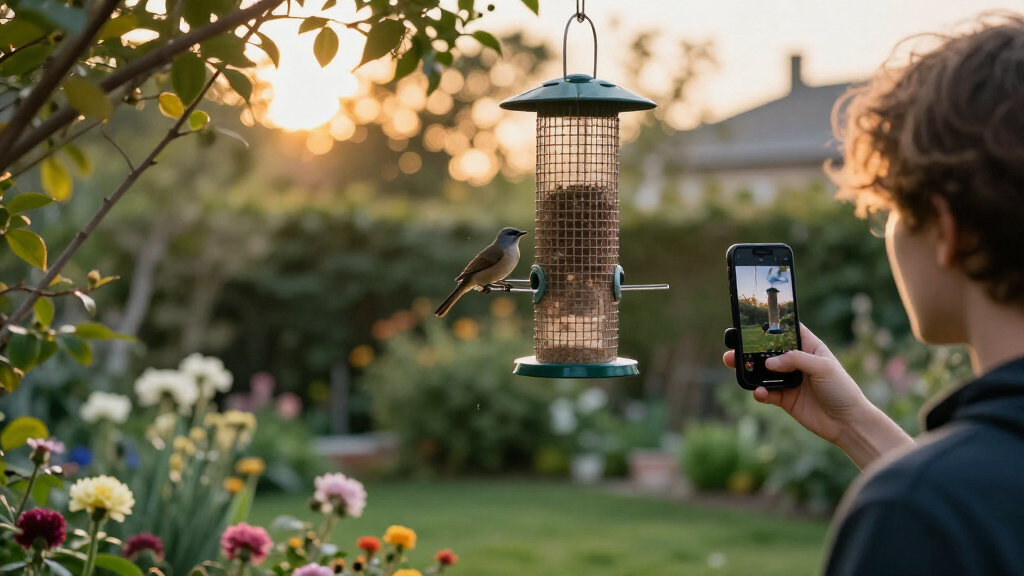
Public interest in using bird feeders as storm predictors is rising, but experts say there is no scientific evidence that feeders can reliably forecast weather. This trend reflects curiosity but remains unsubstantiated by research.
There is no scientific evidence to support the idea that bird feeders can predict approaching storms, despite a surge in online searches and social media discussions suggesting otherwise. Experts say that the notion is a myth, and any observed bird behavior near feeders is not a reliable indicator of weather changes. This trend highlights a growing curiosity among the public but remains unsupported by scientific research.
Recent spikes in online searches and social media posts have fueled speculation that bird feeders might serve as early warning tools for storms. However, ornithologists and meteorologists emphasize that there is no verified scientific basis for this claim. Birds do respond to weather changes, but their behavior at feeders is influenced by multiple factors, not necessarily impending storms. The idea appears to be a modern myth gaining traction without empirical support.
Some sources have pointed out that certain bird behaviors, such as increased activity or flight changes, can sometimes correlate with weather shifts, but these are inconsistent and cannot be used as reliable predictors. Experts warn against relying on bird behavior as a weather forecast method, especially since storm prediction relies on sophisticated meteorological data and models, not animal behavior.
Despite this, the trend persists, possibly fueled by anecdotal reports and the human tendency to seek natural signs for weather changes. The phenomenon is reminiscent of historical beliefs about animals sensing earthquakes or storms, but modern science has not validated these claims for bird feeders and weather forecasting.
Why Public Interest in Bird Feeders and Storm Prediction Grows
The rising curiosity around this myth reflects a broader desire for natural, accessible ways to anticipate weather events, especially as climate patterns become more unpredictable. While the idea that bird feeders can forecast storms is unfounded, the trend underscores a need for better public understanding of meteorology and animal behavior. It also highlights how misinformation can spread when myths are shared without scientific backing, potentially leading to misguided beliefs about weather prediction.
Understanding the limits of animal behavior as a weather indicator is important for public safety and education. Relying on unverified signs can lead to complacency or unnecessary alarm, whereas scientifically grounded forecasts provide more reliable guidance. This trend also illustrates the ongoing influence of social media in shaping perceptions about natural phenomena, even when claims are unsubstantiated.
As an affiliate, we earn on qualifying purchases.
Public Fascination with Animal Behavior and Weather Signs
The idea that animals can sense and respond to weather changes dates back centuries, with stories of animals fleeing before earthquakes or storms. In recent years, some have speculated that birds might similarly signal upcoming storms through specific behaviors, such as increased activity or altered flight patterns. However, scientific studies have not established consistent links between bird behavior at feeders and impending weather events.
The current surge in interest appears to be driven by social media trends, anecdotal reports, and a general fascination with natural signs. This is part of a broader pattern where unverified claims about natural phenomena gain popularity, often fueled by a desire for simple, accessible indicators in an increasingly complex world. Experts have repeatedly emphasized that reliable storm prediction depends on advanced meteorological instruments and data analysis, not animal behavior.
While some bird behaviors can be influenced by weather—such as seeking shelter before a storm—these are not specific enough to serve as predictors. The scientific consensus remains that current technology and weather models are the only dependable tools for storm forecasting.
Unverified Nature of Bird Behavior and Storm Links
It remains unclear whether specific bird behaviors at feeders could ever be reliably linked to storm activity, as no scientific studies have confirmed such a connection. The phenomenon is largely anecdotal, and further research would be needed to establish any correlation, which currently does not exist.Monitoring Scientific Research and Public Trends
Experts say ongoing research into animal behavior and weather sensing continues, but there is no current scientific basis for using bird feeders as storm predictors. Public interest is likely to persist, driven by social media and anecdotal reports. Authorities and scientists recommend relying on official meteorological data for storm warnings and continue to promote scientific literacy about weather phenomena.
In the coming months, meteorological agencies may issue further guidance on weather prediction methods, emphasizing technological tools over natural signs. Meanwhile, educators and conservationists may work to dispel myths and improve understanding of bird behavior and weather science.
Key Questions
Can bird feeders really predict storms?
No, there is no scientific evidence that bird feeders can predict storms. Bird behavior at feeders is influenced by many factors but does not reliably indicate weather changes.
Why do people believe birds can predict weather?
This belief is rooted in historical stories, anecdotal reports, and a natural human tendency to interpret animal behavior as signs of weather, but it lacks scientific validation.
What should I rely on for weather forecasts?
Official meteorological data from satellites, radar, and weather models are the most accurate sources for storm prediction. Animal behavior should not be used as a forecast method.
Are there any bird behaviors that indicate bad weather?
Birds may seek shelter or become less active before storms, but these behaviors are not specific enough to serve as reliable indicators. They are general responses to changing weather conditions.
Will this trend affect how we prepare for storms?
No, relying on bird feeders or animal behavior is not a safe or effective way to prepare for storms. It is important to follow official alerts and forecasts for safety.
Source: rss
Fall yard work Picks
leaf blowers
As an affiliate, we earn on qualifying purchases.