TL;DR

Get garden gear delivered free with Prime
- Fast, free delivery on millions of items
- Prime Video, Amazon Music and more included
- Member-only deals all year
Gardening interest in native plants is rising, with a focus on easy-to-grow species suitable for September sowing. Experts highlight five native plants that can be seeded now to enhance gardens and support local ecosystems. This trend underscores growing environmental awareness among gardeners.
Five native plants that can be easily grown from seed this September are gaining popularity among gardeners looking to expand their landscapes and support local wildlife. Experts note that planting these species now allows for cost-effective, sustainable gardening while enhancing biodiversity.
According to horticultural sources, five native plants—Purple Coneflower, Butterfly Milkweed, New England Aster, Wild Bergamot, and Blue Flag Iris—are particularly suitable for sowing from seed in September. These species are known for their adaptability, low maintenance, and ability to attract pollinators such as bees and butterflies.
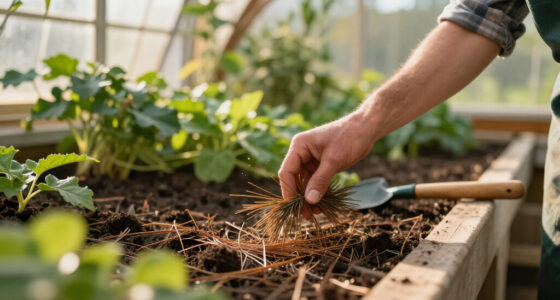
Gardening experts emphasize that sowing native seeds in early fall gives plants a head start for the following growing season. The process involves preparing soil, sowing seeds directly outdoors, and allowing natural winter stratification to stimulate germination in spring. This approach is both economical and environmentally friendly, reducing the need for purchased plants and supporting local ecosystems.
While these plants are generally easy to grow, specific instructions vary by species. For example, Blue Flag Iris requires moist soil, whereas Butterfly Milkweed prefers well-drained conditions. Gardeners are advised to check local native plant guides for tailored advice, but overall, these species are suitable for a wide range of garden settings.
Why Planting Native Seeds in September Matters
This trend reflects a growing interest in sustainable gardening and biodiversity conservation. Planting native species supports local wildlife, including pollinators and birds, by providing natural food sources and habitat. Additionally, sowing seeds now minimizes costs and effort compared to purchasing mature plants, making it accessible for gardeners of all levels.
Experts suggest that increasing native plantings can help mitigate habitat loss and promote ecological resilience. As climate change impacts become more pronounced, establishing diverse, native plant populations is seen as a practical step toward supporting local ecosystems.
native plant seeds for fall planting
As an affiliate, we earn on qualifying purchases.
As an affiliate, we earn on qualifying purchases.
Growing Interest in Native Plants and Sustainable Gardening
Over recent years, gardening trends have shifted toward native plants, driven by environmental concerns and a desire for low-maintenance landscapes. While interest in native species has been rising steadily, recent spikes in search interest and media coverage suggest a surge in public awareness. The current focus on September sowing aligns with the traditional planting window for many native perennials and grasses.
This trend is also linked to broader movements toward ecological gardening, which emphasize planting species suited to local conditions to reduce water use, chemical inputs, and maintenance efforts. Experts note that this interest is partly fueled by increased access to online resources, native plant guides, and community initiatives.
However, some details about the most effective timing and species selection remain unconfirmed or vary regionally, highlighting the need for localized advice and further research.
Unconfirmed Details About Optimal Native Species and Timing
While experts agree that sowing native seeds in September is beneficial, specific recommendations vary by region and species. The exact timing, seed treatment procedures, and success rates are still being studied, and some local conditions may influence outcomes. Additionally, the surge in interest appears to be partly driven by trending media coverage, but comprehensive data on long-term results is limited.
It is not yet clear whether all five listed species perform equally well across different climates or soil types, or if certain species require more specialized care during sowing or overwintering.
Next Steps for Gardeners and Native Plant Enthusiasts
Gardeners are encouraged to start sowing native seeds now, following local guidelines and seed packet instructions. Local native plant societies and extension services may offer tailored advice, and gardeners should monitor early germination and growth in spring. As the planting season progresses, further research and community sharing are expected to refine best practices.
Additionally, increased participation in native planting initiatives could lead to more region-specific studies, helping to confirm optimal species and timing for different environments. Garden centers and nurseries may also expand offerings of native seed mixes, supporting this growing trend.
Key Questions
Which native plants are easiest to grow from seed in September?
According to horticultural experts, five easy-to-grow native plants suitable for September sowing include Purple Coneflower, Butterfly Milkweed, New England Aster, Wild Bergamot, and Blue Flag Iris.
What are the best conditions for sowing native seeds in fall?
Most native seeds prefer well-drained soil, adequate moisture, and a period of cold stratification. Specific requirements vary by species, so consulting local native plant guides is advisable.
Can I sow native seeds in my region in September?
Yes, September is generally suitable for sowing native seeds in many regions, but timing and species choice should be adjusted based on local climate and soil conditions. Local native plant societies can provide tailored advice.
Will planting native seeds now ensure they grow next year?
Sowing seeds in September allows them to establish roots and undergo natural winter stratification, increasing the likelihood of successful germination in spring. However, success depends on local conditions and proper seed treatment.
Are native plants more resistant to pests and diseases?
Generally, native plants are better adapted to local pests and diseases, reducing the need for chemical controls. Their resilience makes them ideal for sustainable gardening practices.
Source: rss
Evergreen bestsellers Picks
bestsellers
As an affiliate, we earn on qualifying purchases.