
Ventilation is more important than warmth in many barns because it guarantees good airflow, reduces harmful gases like ammonia, and keeps moisture levels in check. Proper ventilation prevents the buildup of stale air, mold, and structural damage, promoting healthier animals and a longer-lasting barn. While warmth is important, without effective airflow, dust, bacteria, and humidity can cause health issues and deterioration. Keep exploring to discover how balancing air quality and temperature benefits your barn long-term.

Get garden gear delivered free — and shop member deals
- Fast, free delivery on millions of items
- Access to Prime Big Deal Days deals on October 6–7
- Prime Video, Amazon Music and more included
Key Takeaways
- Proper ventilation removes harmful gases like ammonia, which warmth alone cannot prevent, ensuring better air quality.
- Adequate airflow controls moisture levels, preventing mold and structural damage regardless of temperature.
- Ventilation reduces airborne irritants and dust that cause respiratory issues, more effectively than just heating.
- Maintaining fresh air circulation supports animal health and well-being, often more critical than maintaining warmth.
- Effective ventilation prevents long-term health and structural problems that warmth alone cannot address.
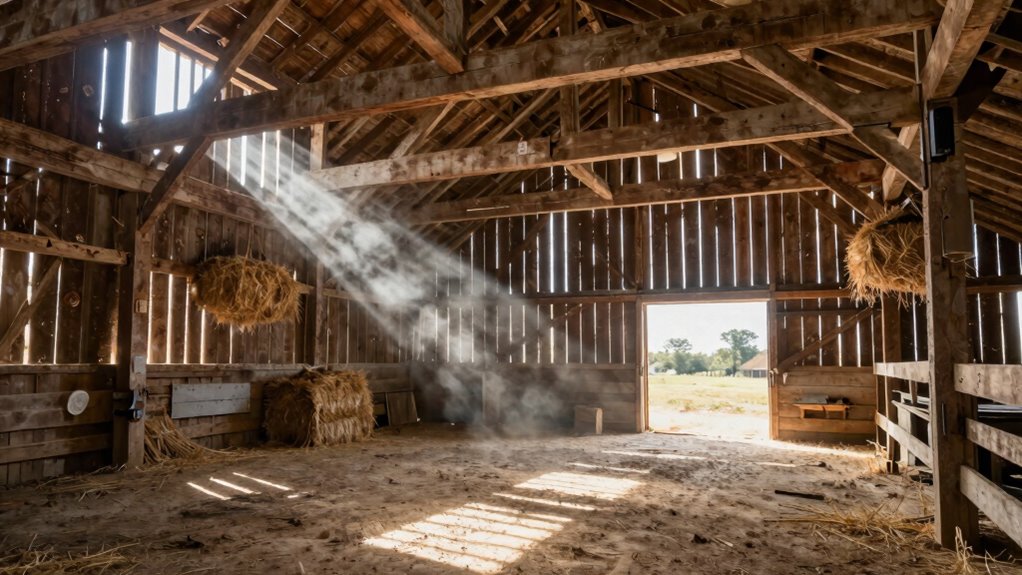
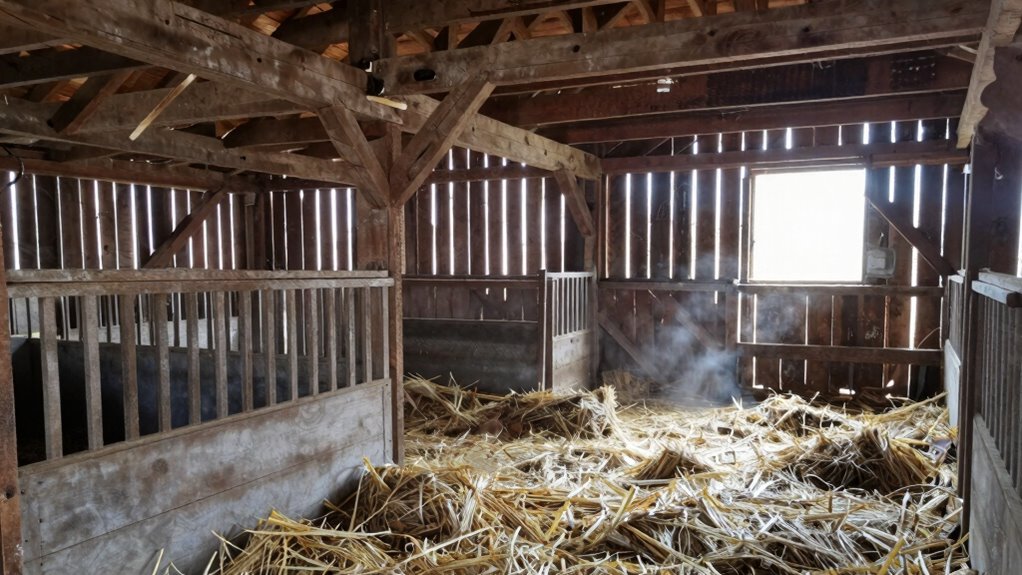
Have you ever wondered why proper ventilation is essential in barns? It’s because good airflow plays a pivotal role in maintaining air quality and moisture control, which directly impacts the health of your animals and the longevity of your structure. When ventilation is inadequate, stale air and excess moisture build up, creating a breeding ground for respiratory issues, infections, and mold. Proper airflow ensures that fresh air replaces the stale, helping to remove dust, ammonia, and other airborne irritants that can harm your livestock. If you overlook ventilation, these airborne pollutants can accumulate quickly, making the environment uncomfortable and potentially dangerous for the animals.
Proper barn ventilation is key to healthy animals and a durable structure.
Moisture control is another critical aspect that highlights why ventilation often matters more than simply heating the barn. Excess moisture from animal respiration, manure, and even outside humidity can raise humidity levels inside the barn. When moisture isn’t properly vented out, it condenses on walls, ceilings, and equipment, fostering mold growth and degrading structures over time. Excess humidity also creates a damp environment that can lead to hoof problems, respiratory diseases, and lower productivity in your livestock. Ventilation helps to regulate the indoor climate, making sure that moisture doesn’t reach levels that could compromise animal health or damage your barn. Additionally, proper ventilation supports air circulation, which helps distribute heat evenly and prevents cold spots that can stress animals. Incorporating ventilation systems designed specifically for barns can enhance airflow efficiency and ensure consistent environmental conditions. Good ventilation also reduces the buildup of harmful gases, which can adversely affect livestock health and farm productivity.
Beyond comfort, proper ventilation supports the overall well-being of your animals by providing a fresh, oxygen-rich environment. When you prioritize airflow, you reduce the buildup of harmful gases like ammonia, which can irritate your animals’ eyes and respiratory systems. This improvement in air quality means healthier, more productive animals and fewer veterinary costs. It also reduces stress levels among your livestock, which can positively influence growth rates and reproduction. In cold weather, it might seem tempting to focus on warmth, but ventilation remains essential because it prevents the buildup of dangerous gases and moisture that can cause long-term health issues. Moreover, effective ventilation can help in preventing structural damage, preserving the integrity of your barn over time. Proper ventilation can also reduce the likelihood of respiratory issues stemming from airborne irritants, further supporting animal health.
In essence, effective barn ventilation isn’t just about keeping the air moving; it’s about creating an environment where animals can thrive. You want to strike a balance where fresh air replaces stale, moisture levels stay in check, and gases are expelled. This approach ultimately leads to healthier animals, fewer structural problems, and better overall productivity. While warmth is important during colder months, it’s the consistent management of air quality and moisture that ensures your barn remains a safe, comfortable space for your livestock year-round. Proper ventilation isn’t just an option—it’s a necessity for a successful, sustainable farming operation.
As an affiliate, we earn on qualifying purchases.
Frequently Asked Questions
How Often Should Barn Ventilation Systems Be Inspected?
You should inspect your barn ventilation systems at least once every three to six months. Regular inspections guarantee ventilation effectiveness and help identify blockages or worn components that could hinder airflow enhancement. During inspections, check fans, vents, and filters for dirt, damage, or malfunction. Consistent maintenance keeps airflow ideal, prevents moisture buildup, and promotes healthy barn conditions, ultimately safeguarding your livestock’s well-being.
What Are the Signs of Poor Barn Ventilation?
Poor barn ventilation shows itself through stuffy air, strong odors, and excess moisture, which can lead to respiratory issues for your livestock. You might notice condensation on walls or floors, and increased disease or pest problems. These signs indicate airflow efficiency is lacking, often due to flawed ventilation design. To guarantee proper airflow, regularly assess and upgrade your ventilation system, keeping it well-maintained for healthier animals and a safer barn environment.
Can Ventilation Improve Animal Health Without Adding Warmth?
Yes, good ventilation can improve animal health without adding warmth. By maintaining ideal air quality and humidity control, you reduce harmful gases, moisture buildup, and airborne pathogens that cause illness. Proper airflow ensures fresh air circulates, helping animals breathe easier and stay healthier. Focusing on ventilation alone can greatly enhance their well-being, especially in milder weather, without relying on extra heat sources.
Are There Cost-Effective Ways to Upgrade Barn Ventilation?
Think of upgrading your barn’s ventilation as tuning a finely crafted instrument—you want perfect airflow. Cost-effective options include improving airflow efficiency with simple fixes like adjusting fans or adding exhaust vents. Ventilation technology options such as automated fans and natural ventilation systems can also enhance efficiency without breaking the bank. These upgrades promote healthier animals and better air quality, proving that good ventilation is an investment worth making.
How Does Ventilation Impact Barn Mold and Pathogen Control?
Ventilation plays a critical role in controlling mold and pathogens in your barn. By improving air circulation, you reduce moisture buildup, which is vital because excess moisture fosters mold growth and pathogen development. Good ventilation keeps the air fresh, prevents damp conditions, and minimizes health risks for your animals. You should regularly monitor and adjust your ventilation system to guarantee ideal moisture control, creating a healthier environment and preventing costly mold or disease outbreaks.
Conclusion
While warmth keeps your animals comfortable, proper ventilation saves their lives. Without fresh air, illness and disease can spread rapidly, overshadowing any comfort warmth provides. Think of a barn filled with the scent of stale air versus one bursting with clean, circulating breezes—one is a safe haven, the other a silent threat. Prioritizing ventilation isn’t just about comfort; it’s about safeguarding your animals’ health and your peace of mind. Choose airflow over warmth when it matters most.
Fall Picks
fall essentials
As an affiliate, we earn on qualifying purchases.