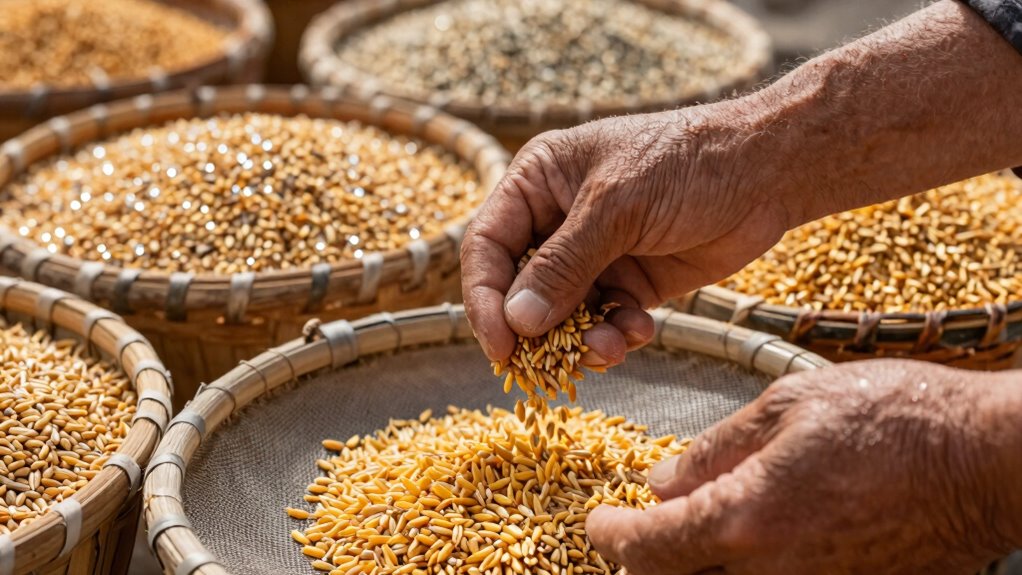

To get the most from seed cleaners, you should keep harvest lots separate early on. This allows you to maintain seed purity and prevent cross-contamination. By sorting seeds as soon as they’re harvested, you can target cleaning techniques specific to each lot, conserving seed quality and improving germination rates. It also helps identify issues early, so you can make better decisions. Continue on to discover how this practice enhances your overall seed management strategy.

Get garden gear delivered free — and shop member deals
- Fast, free delivery on millions of items
- Access to Prime Big Deal Days deals on October 6–7
- Prime Video, Amazon Music and more included
Key Takeaways
- Early separation ensures seed purity, simplifying targeted cleaning and reducing cross-contamination risks.
- Keeping lots separate allows for tailored cleaning techniques, enhancing efficiency and minimizing seed loss.
- Separate harvest lots maintain seed integrity, preserving viability and uniform germination during cleaning.
- Early separation helps detect and address seed damage or contamination promptly, preventing spread.
- Maintaining distinct lots supports better quality control and informed decision-making throughout seed processing.
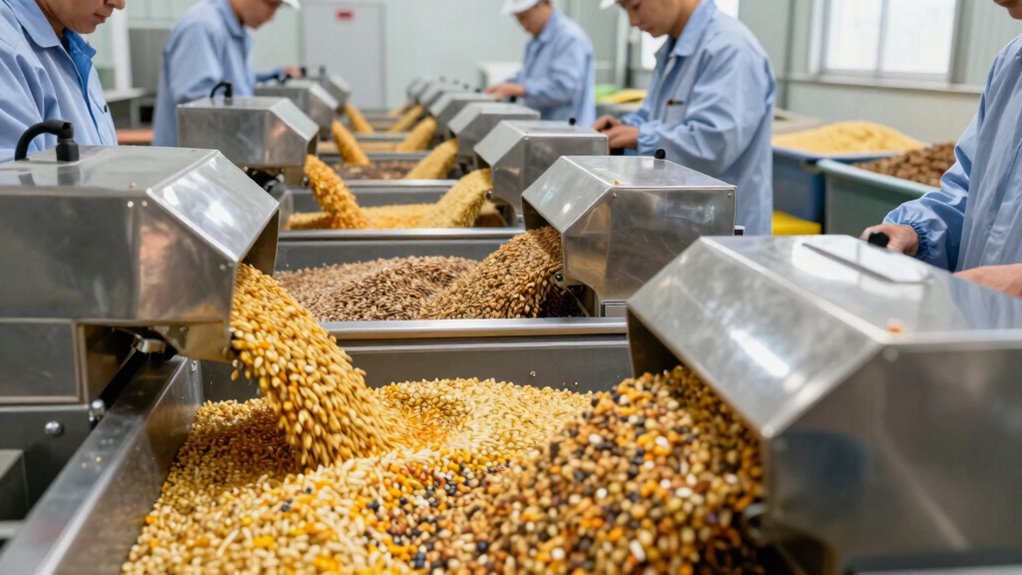
Seed cleaners play an essential role in guaranteeing your seeds are free from dirt, debris, and damaged kernels, which can affect germination and crop quality. When you’re managing a large harvest, keeping different seed lots separate early on is fundamental to maintaining seed purity. Mixing seeds from various sources can introduce contaminants or undesirable traits, making it harder to achieve consistent crop results. By sorting and storing seed lots separately from the start, you set the stage for more effective cleaning and higher seed quality overall.
Separating seed lots early ensures higher purity, cleaner harvests, and better crop quality throughout the cleaning process.
Separating your harvest early allows your seed cleaner to work more efficiently. When seeds are kept in distinct lots, you can tailor the cleaning process to the specific needs of each seed type or variety. For example, some seeds may have more debris or be more prone to damage, requiring different screening or cleaning techniques. This targeted approach enhances cleaning efficiency, reducing processing time and minimizing seed loss. It also guarantees that each seed lot maintains its integrity, preventing cross-contamination that could compromise seed purity. Additionally, early separation helps prevent seed contamination, which is critical for ensuring high-quality yields. Proper seed storage further supports this process by preserving seed viability during cleaning and storage. Keeping seeds in appropriate conditions also helps maintain their germination rates, ensuring healthy plant growth.
Furthermore, early separation simplifies the cleaning process by reducing the complexity of sorting through mixed seed lots later. When seeds are kept separate, you avoid the need for extensive re-sorting or additional cleaning steps, which can be time-consuming and costly. This proactive strategy saves you labor and equipment wear while improving the overall quality of your seeds. High seed purity is essential for achieving uniform germination and healthy crop growth, and keeping lots separate early on supports this goal by preventing the introduction of unwanted seeds or debris during cleaning.
In addition, maintaining separate seed lots allows for better quality control throughout the harvest and cleaning process. You can monitor each lot’s condition more accurately, identifying issues like seed damage, disease, or germination problems before they spread. This early detection helps you make informed decisions about cleaning parameters and storage conditions, further boosting your cleaning efficiency and seed purity. As a result, your seeds emerge healthier and more uniform, leading to better yields and more predictable results.
As an affiliate, we earn on qualifying purchases.
Frequently Asked Questions
How Do Seed Cleaners Differentiate Between Seed Quality Levels?
You can differentiate seed quality levels by seed cleaners through their ability to remove seed impurity and sort seeds based on size, weight, and appearance. They use screens, air currents, and gravity separation to eliminate lower-quality seeds. This process supports quality grading, ensuring only the best seeds are kept for planting. By sorting early, you reduce contamination and improve overall seed lot quality, making your harvest more successful.
What Equipment Is Best for Cleaning Small Seed Batches?
For cleaning small seed batches, you should use a compact seed cleaner with adjustable screens and air flow settings. These machines excel at handling seed size variations, ensuring effective cleaning efficiency. By customizing the settings, you can remove debris and improve seed purity without damaging the seeds. This equipment allows precise control, making it ideal for small batches where quality matters most, ensuring your seeds are clean and ready for planting or sale.
Can Seed Cleaners Remove All Types of Seed Contaminants?
Seed cleaners can’t remove all types of seed contaminants because some, like chemical residues or certain weed seeds, require specialized seed cleaning chemicals or treatments. Historically, seed cleaning has evolved to improve efficiency, but no single process guarantees complete purity. You need to understand seed cleaning history and choose appropriate methods. Combining mechanical cleaning with targeted seed cleaning chemicals offers the best chance to eliminate most contaminants effectively.
How Often Should Seed Cleaning Equipment Be Maintained?
You should maintain your seed cleaning equipment regularly, ideally after every few uses, to guarantee peak performance. Regular maintenance includes inspecting seed storage areas for cleanliness and properly calibrating the equipment to handle different seed types. By keeping everything in good shape and well-calibrated, you prevent contamination and maintain seed quality, which is vital for successful planting. Consistent maintenance helps extend your equipment’s lifespan and improves cleaning efficiency.
Are There Eco-Friendly Seed Cleaning Options Available?
Yes, eco-friendly seed cleaning options are available. You can choose organic alternatives that avoid synthetic chemicals, ensuring safer processing for the environment. Biodegradable solutions are also popular, as they break down naturally without leaving harmful residues. These options help you maintain sustainable practices while effectively cleaning your seeds. By selecting eco-friendly seed cleaners, you reduce your environmental impact and promote healthier ecosystems along with quality seed production.
Conclusion
By keeping your harvest lots separate early on, seed cleaners can do their job like skilled artists, sorting and refining with precision. This simple step streamlines the entire process, saving you time and effort while ensuring top-quality seeds. Think of it as laying a strong foundation for a sturdy building—you set yourself up for success from the start. So, handle your harvest with care, and your seed cleaning will flow smoothly like a well-oiled machine.
Fall yard work Picks
leaf blowers
As an affiliate, we earn on qualifying purchases.