
TL;DR

Get garden gear delivered free with Prime
- Fast, free delivery on millions of items
- Prime Video, Amazon Music and more included
- Member-only deals all year
Amateur Gardening reports that the Royal Horticultural Society is encouraging gardeners to consider autumn planting as hotter, drier summers put plants under stress. Its seven suggestions include ferns, lavender, yarrow and field maple, but the source does not establish that any planting scheme can guarantee survival through future heat or drought.
The Royal Horticultural Society is urging gardeners to consider planting some trees, shrubs, climbers and perennials in autumn rather than waiting for spring, according to Amateur Gardening, which says the approach may help plants establish roots before hotter, drier summer weather. The report lists seven candidates, from lavender and yarrow to field maple, while stressing through its planting advice that conditions such as soil, sun and drainage still matter.
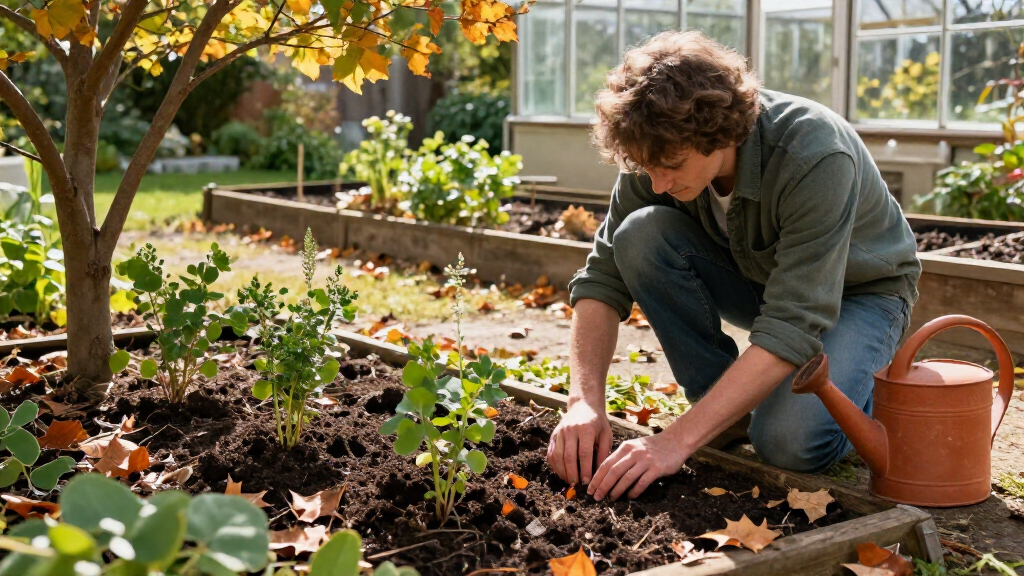
The report says autumn’s cooler temperatures and rainfall can give plants time to put down roots before the following growing season. It describes soil that has retained some summer warmth as supportive of root growth, while plants established before spring may be better placed to develop top growth. These are general horticultural reasons for the timing, not a guarantee that plants will withstand every heatwave or drought.
The seven suggested plants are hardy outdoor ferns, wisteria, English lavender, common yarrow (Achillea millefolium), garden geraniums, verbena and field maple. The report characterises lavender and yarrow as drought-tolerant, and says yarrow can support more than 100 insect species. It describes verbena as a source of nectar for pollinators, and field maple as a medium-sized deciduous tree suited to fertile, well-drained soil in sun or light shade.
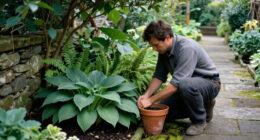
Planting needs differ across the list. The report recommends full sun and well-drained soil for lavender, warning that it does poorly in shade, heavy soil and wet, freezing conditions; it also says French lavender is less hardy than English lavender. Wisteria is described as a vigorous climber for a sunny position with well-drained soil. Geranium variety ‘Orion’ is cited as able to grow in many soil types, including heavy clay. Ferns are presented as adaptable, but the report does not give a single site prescription for all fern species.
Autumn Planting Before Summer Stress
The advice matters because planting season can affect how much time a plant has to establish before the next period of high temperatures. If autumn conditions are suitable, early root establishment may help plants cope better with later stress and could reduce the need for frequent watering. The report frames this as one way to prepare gardens for changing conditions, not as a substitute for watering during drought or choosing plants suited to a particular site.
The recommendations also bring together plants with different roles: flowering perennials and climbers, a tree, and ferns. Some are valued for pollinator resources, while field maple can provide a larger structural feature. Gardeners will need to weigh those benefits against available space, soil and local climate; the article does not compare water use or survival rates among the seven options.
Popular right now

Dyson Ball Animal 3 Upright Vacuum

Jura E6 Automatic Espresso Machine, Piano Black (15622)

Vitamix Propel Series 750 Professional-Grade Blender, 4 Programs, Black
As an affiliate, we earn on qualifying purchases.
Why the Report Favors Autumn
Spring is often treated as the main season for planting, but the RHS advice described by Amateur Gardening makes a case for moving some planting into autumn. The suggested logic is that cooler weather and seasonal rain can support establishment before plants face summer heat. The report says roots have time to develop before the first frost, though frost timing and severity vary by location and plant.
The article links the recommendation to the strain of recent hot, dry conditions. It reports that the Met Office identified summer 2026 as the UK’s hottest summer on record to date, and says heat and extended periods without rain reduced soil moisture and stressed plants. That weather claim is attributed to the source report; the planting list itself is presented as gardening advice rather than as a controlled test of climate resilience.
Limits of the Planting Advice
The source does not provide trial results showing how much autumn planting improves survival, nor does it compare these seven plants with alternatives. Its description that the plants could help gardens prepare for hotter summers should be read as general advice, not a guarantee. Outcomes depend on local weather, planting time, soil, drainage, exposure and care.
Some details also remain broad: the article does not specify which fern species are best for particular garden conditions, or give a full watering and frost-care schedule for each plant. It does not quantify how much water gardeners might save. The report’s claim about the UK’s hottest summer is presented as a 2026 record to date, but it does not include the Met Office’s underlying figures or measurement details.
Choosing Plants for Local Conditions
Gardeners considering the list can check each plant’s requirements against their own soil, light and drainage before planting this autumn. The report’s clearest cautions concern lavender: choose a sunny, well-drained position and avoid heavy or waterlogged ground. For other choices, local garden guidance can help narrow down suitable varieties and planting locations.
As the season progresses, the practical test will be whether newly planted specimens establish well through winter and cope with the following summer. The source offers no follow-up monitoring or quantified forecast. Survival outcomes and water savings remain to be seen, and gardeners should continue to respond to actual weather and plant conditions rather than assume autumn planting alone will prevent heat stress.
Key Questions
Which seven plants does the report recommend?
The list is hardy outdoor ferns, wisteria, English lavender, common yarrow, garden geraniums, verbena and field maple.
Why plant them in autumn?
The report says cooler temperatures and autumn rainfall can give roots time to establish before spring growth and the next summer. It does not promise that this timing will prevent heat or drought damage.
Are all the plants drought-tolerant?
No. The report specifically describes lavender and common yarrow as drought-tolerant, but does not make the same claim for every plant on the list. Each species has distinct growing needs.
What conditions does lavender need?
The article recommends a sunny position with well-drained soil. It warns that lavender can struggle in shade, heavy soil and wet, freezing conditions, and says French lavender is less hardy than English lavender.
Will autumn planting guarantee a garden survives a hotter summer?
No. The source presents autumn planting as a way to support establishment, not a guarantee. Weather, soil, drainage, plant choice and care will all affect how plants fare.
Source: amateurgardening.com