TL;DR

Get garden gear delivered free with Prime
- Fast, free delivery on millions of items
- Prime Video, Amazon Music and more included
- Member-only deals all year
Many gardeners notice their dahlia flowers fading in September. Experts say this is often due to natural aging, environmental stress, or pests. Proper care can help extend blooming and improve flower health.
Many gardeners are observing that their dahlia flowers are fading earlier than expected in September. Experts confirm that this is a common seasonal occurrence caused by natural aging, environmental stresses, or pests, and can often be mitigated with proper care.
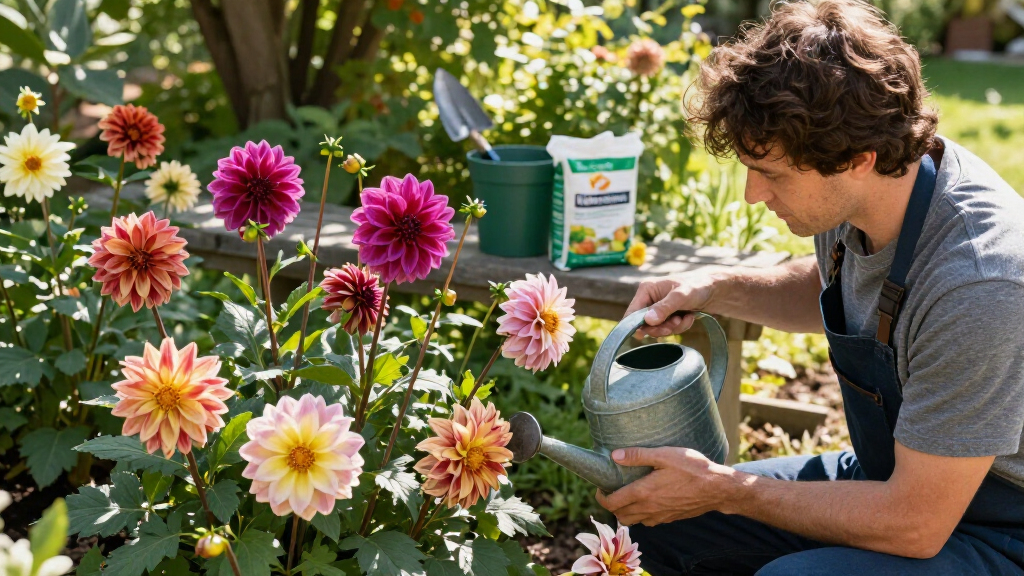
According to horticultural specialists, dahlia bloom drop in late season is primarily due to the plant reaching the end of its natural flowering cycle. As days shorten and temperatures fluctuate, dahlias often cease flowering or their blooms fade. Additionally, environmental factors such as drought stress, high temperatures, or irregular watering can accelerate bloom decline. Pests like aphids or fungal diseases may also contribute to poor flower health, although these are less common causes.
Experts recommend that gardeners monitor watering carefully, avoid over-fertilizing with high nitrogen formulas, and provide adequate staking and airflow to reduce pest and disease pressure. Deadheading spent blooms can encourage new flowers, but ultimately, some fading is inevitable as the plant prepares for dormancy. The timing of bloom fade varies depending on the dahlia variety and local climate conditions.
Implications of Early Dahlia Bloom Decline for Gardeners
This phenomenon matters because it affects the aesthetic appeal and overall productivity of dahlias, which are popular ornamental plants. Understanding that bloom fading in September is often natural helps gardeners manage expectations and avoid unnecessary interventions. Proper care strategies can extend the flowering period slightly, enhancing garden visual impact during late summer and early fall. Recognizing environmental stressors allows for targeted adjustments, such as watering and pest management, to preserve flowers longer and maximize garden enjoyment.
As an affiliate, we earn on qualifying purchases.
Understanding the Natural Lifecycle of Dahlia Flowers
Dahlias are tuberous perennials native to Mexico and Central America, known for their vibrant and diverse flowers. Typically, they bloom from mid-summer to early fall, with peak flowering occurring in August. As the season progresses into September, many varieties naturally decline as part of their lifecycle. This timing aligns with the plant’s adaptation to shorter days and cooler temperatures. While some gardeners try to extend blooming through fertilization and deadheading, the overall pattern is consistent across regions, with variations influenced by climate and care practices.
Recent interest in late-season flowering has increased, partly due to the popularity of dahlias in floral arrangements and garden displays. This surge in attention has led to more gardeners noticing and questioning the early fading of blooms, prompting experts to clarify that this is often a normal part of the plant’s cycle rather than a sign of poor health or mismanagement.
Unanswered Questions About Late-Season Dahlia Blooming
It is not yet clear whether specific climate patterns or recent gardening trends are influencing the timing and extent of bloom fade. Some experts suggest that unusual weather, such as unseasonal heatwaves or droughts, may contribute, but definitive data is lacking. Additionally, the impact of newer dahlia varieties bred for extended blooming is still under study, and whether these can reliably prolong flowering into late September remains uncertain.
Next Steps for Gardeners Facing Bloom Drop
Gardeners are advised to continue monitoring environmental conditions, adjust watering routines, and remove spent blooms to encourage new growth. Researchers and horticulturists plan to investigate the influence of climate variability on dahlia blooming patterns further. In the coming months, new dahlia cultivars may be introduced that are bred for longer flowering periods, offering potential solutions for those seeking prolonged late-season blooms.
Key Questions
Why do my dahlia flowers fade so early in September?
Most often, this is due to natural aging of the plant, environmental factors like temperature and water stress, or pests. It is a typical part of the dahlia’s lifecycle as days shorten and temperatures drop.
Can I prevent my dahlias from fading in September?
While complete prevention isn’t possible since fading is natural, proper watering, pest control, deadheading, and providing optimal growing conditions can help extend the bloom period slightly.
Are there dahlia varieties that bloom longer into the fall?
Some newer cultivars are bred for extended flowering, but most dahlias naturally decline by late September. Research is ongoing to identify and develop longer-blooming varieties.
Should I fertilize my dahlias to keep them blooming?
Using a balanced fertilizer with lower nitrogen content can promote flowering and reduce foliage growth, helping flowers last longer, but it won’t entirely prevent natural decline.
What environmental conditions are best for prolonging dahlia blooms?
Consistent watering, good air circulation, avoiding high temperatures, and managing pests are key factors that can help maximize blooming duration.
Source: rss
Fall yard work Picks
leaf blowers
As an affiliate, we earn on qualifying purchases.