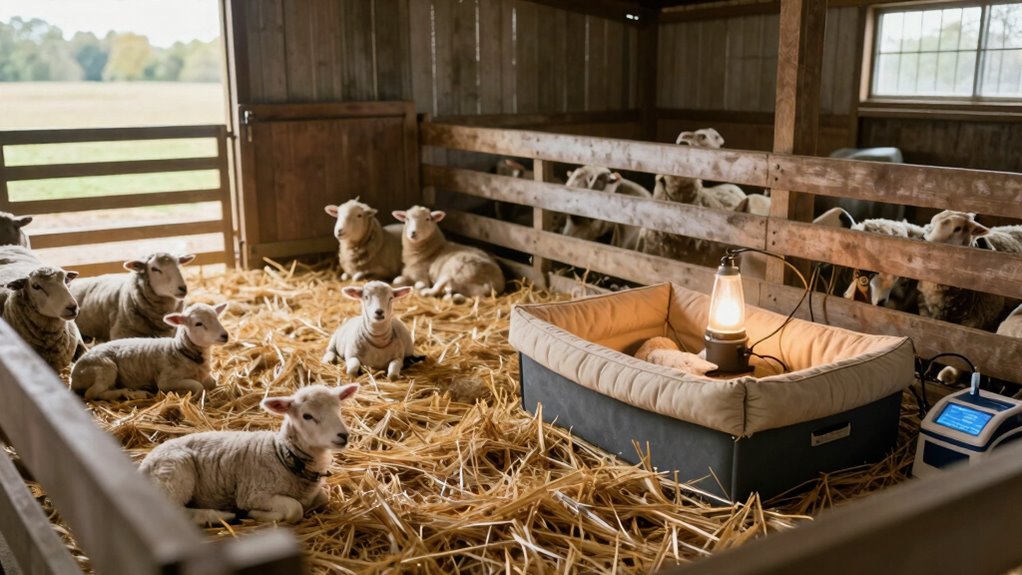

To plan a safer lambing and kidding season, focus on selecting resilient, healthy animals with good genetics for easy births and disease resistance. Maintain detailed health and breeding records, and monitor body condition regularly. Provide a balanced, nutrient-rich diet tailored to late pregnancy needs and ensure clean, comfortable environments. By proactively managing health, nutrition, and genetics, you can reduce risks and create ideal conditions. Keep exploring for more tips to help you prepare effectively.
Key Takeaways
- Select resilient, healthy animals with good genetics for ease of lambing or kidding.
- Maintain detailed health and breeding records for early issue detection.
- Ensure proper nutrition and body condition management during late pregnancy.
- Prepare a safe, clean environment to reduce stress and prevent infections.
- Monitor animals closely during lambing or kidding for timely intervention if needed.
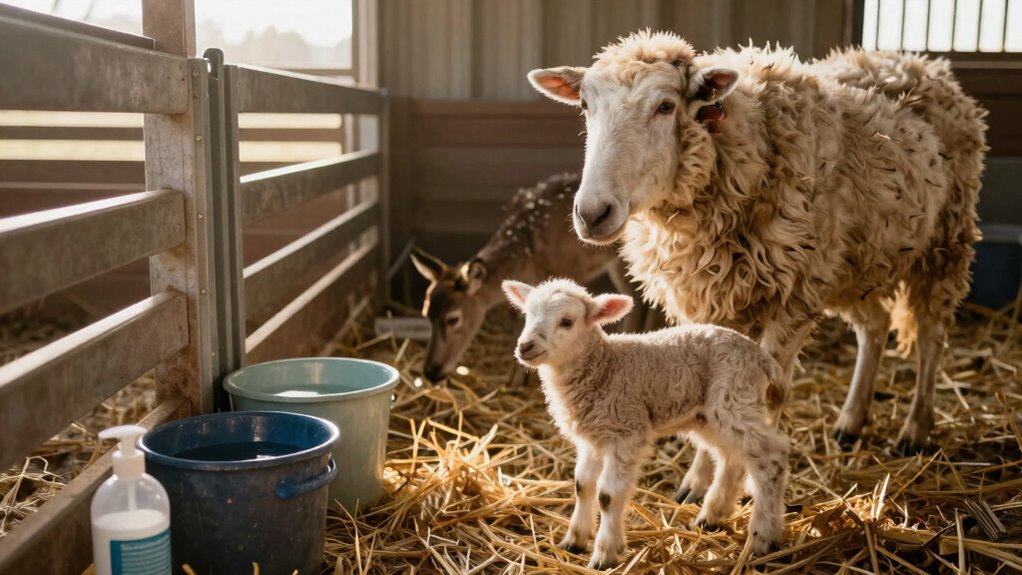
Are you prepared to guarantee a safe and successful lambing and kidding season? Planning ahead is essential to minimize risks and ensure the health of both the ewes and does, as well as their newborns. One of the most effective ways to do this is through strategic genetic selection. Choosing resilient, healthy animals with good mothering instincts and strong immune systems sets a solid foundation for a trouble-free season. By prioritizing genetics that promote ease of lambing or kidding, you reduce complications and increase survival rates. Always review your herd’s genetic profiles and consider breeding for traits like vigor, disease resistance, and adaptability to your local conditions. This proactive approach helps you build a resilient flock or herd capable of handling the stresses that come with lambing and kidding. Incorporating genetic diversity into your breeding program can further enhance the overall resilience of your animals, safeguarding against potential genetic bottlenecks. Maintaining a diverse gene pool also helps improve disease resistance across your herd, making it better equipped to resist common health issues. Additionally, understanding your animals’ genetic background can help identify specific traits that contribute to overall health and productivity. Regularly reviewing and updating your breeding goals based on your herd’s genetic makeup can lead to more targeted improvements over time.
Equally important is fine-tuning your nutrition management. Proper nutrition during late pregnancy directly impacts the health of the mother and the viability of the offspring. Make sure your animals receive a balanced diet rich in essential nutrients, including energy, protein, vitamins, and minerals. Adjust feed rations to meet the increased demands of pregnancy, especially in the last few weeks before lambing or kidding. Adequate nutrition supports ideal fetal development, strengthens the mother’s immune system, and reduces the likelihood of metabolic disorders. Keep fresh water available at all times, and consider supplementing with minerals or vitamins if deficiencies are common in your region. Good nutrition management also involves monitoring body condition scores; animals that are too thin or too fat can face complications during lambing or kidding. Maintaining a moderate, healthy condition ensures they’re prepared for the stress of birth and can recover quickly afterward. Regular health checks and record-keeping help you spot potential issues early on, allowing for prompt intervention. Additionally, evaluating your feeding strategies regularly can optimize your herd’s health and productivity throughout the season.

AI Breeding Kit for Cattle Sheep Goats Pigs Horses Dogs All in One Box, Blue, 20x12x12
As an affiliate, we earn on qualifying purchases.
As an affiliate, we earn on qualifying purchases.
Frequently Asked Questions
What Are Common Signs of Dystocia in Ewes and Does?
You’ll notice signs of dystocia in ewes and does when labor stalls, there’s abnormal positioning of lambs or kids, or if you see extended straining without progress. To reduce risks, focus on genetic selection for better birthing traits and maintain good breeding management. Regularly monitor during lambing or kidding, and be prepared to assist if labor isn’t progressing, ensuring a safer and smoother birthing process.
How Can I Prevent Neonatal Hypothermia in Newborn Lambs and Kids?
Did you know that neonatal hypothermia can cause up to 80% of lamb and kid mortalities? To prevent it, ensure proper colostrum management, giving newborns warm, high-quality colostrum within the first few hours. Keep the lambs and kids in a draft-free, warm environment, and prevent predators from accessing their shelter. These steps help maintain body temperature, boost immunity, and substantially improve survival chances during those critical first days.
What Vaccinations Should Be Administered Before Lambing and Kidding?
You should vaccinate your ewes and does against common diseases like clostridial infections, tetanus, and enterotoxemia before lambing and kidding. Incorporate genetic selection and breeding strategies to enhance disease resistance in your flock over time. Timing vaccinations at least 4-6 weeks before lambing allows immunity to develop. Regular health checks and maintaining a clean environment also support a safe, healthy birthing season for your animals.
How Do I Identify and Treat Milk Fever in Postpartum Animals?
Milk fever can strike like lightning in postpartum animals, causing sudden weakness or paralysis. You identify it by checking for extreme muscle weakness, staggering, or collapse. Treat it quickly with calcium injections to counteract mineral deficiencies, especially low calcium levels. Proper nutritional management before and after kidding helps prevent it, ensuring animals get enough minerals. Prompt treatment and good nutrition are essential to keep your herd healthy and thriving during lambing and kidding season.
What Are Effective Ways to Reduce Stress During Lambing and Kidding?
To reduce stress during lambing and kidding, focus on stress management and gentle handling techniques. Keep the environment calm, quiet, and comfortable, minimizing sudden movements or loud noises. Handle the animals calmly and confidently, speaking softly to reassure them. Providing a familiar space and avoiding unnecessary disruptions helps keep them relaxed. Regular, gentle handling builds trust, making the process smoother for both you and the animals, leading to a safer lambing and kidding season.
Conclusion
By planning ahead and implementing safety measures, you can greatly reduce risks during lambing and kidding season. Remember, more than 80% of lambing-related deaths can be prevented with proper preparation and attentive care. Keep a close eye on your animals, maintain a clean environment, and have emergency supplies ready. With these steps, you’ll guarantee a safer, smoother season for both your flock and yourself—making it a rewarding experience rather than a stressful one.