
TL;DR

Get garden gear delivered free — and shop member deals
- Fast, free delivery on millions of items
- Access to Prime Big Deal Days deals on October 6–7
- Prime Video, Amazon Music and more included
An Amateur Gardening report presents “Bobylon,” a small-scale floating-planter idea for growing selected crops above stored rainwater in containers such as an old bath or sink. It is a gardening suggestion, not a report of a new commercial product or a tested system; the article cautions that many plants cannot tolerate waterlogged roots and that containers and foam need careful handling.
Amateur Gardening has published a guide to “Bobylon,” a home-gardening idea that uses floating trays or cut pieces of expanded polystyrene to keep plant pots in contact with water stored in containers such as an old bath or sink. The proposal is intended to offer a small, self-watering growing setup during dry spells, but the report stresses that only some plants suit the method and that it is not a substitute for managing waterlogged roots, wind exposure or container safety.
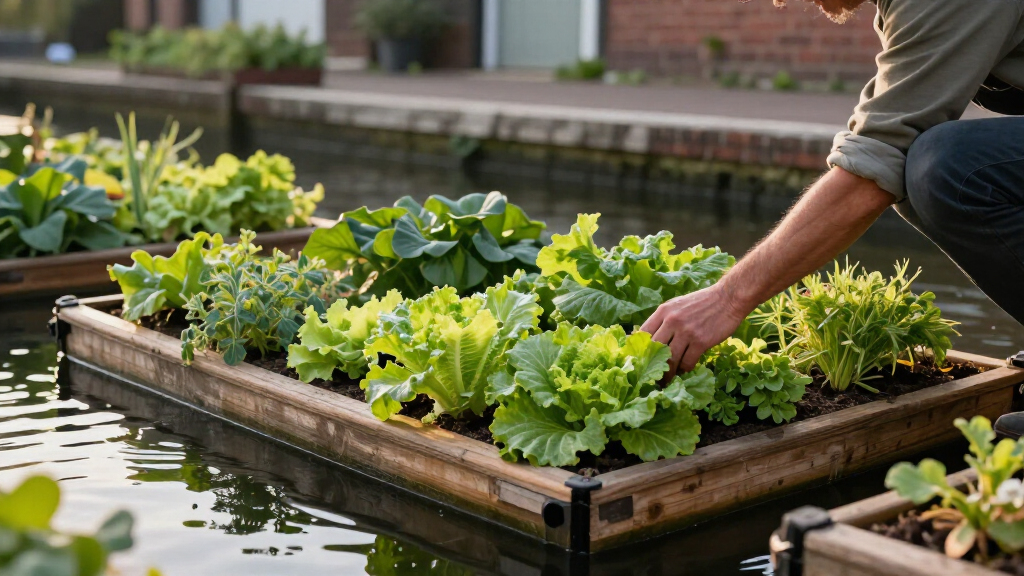
The report’s approach is much smaller than the large floating gardens sometimes shown in documentaries. Those systems can be broad rafts built from timber and bark, weighted with soil and mud, and used to grow crops above the water. Bob’s version instead makes use of an existing household container to hold rainwater and support pots or shallow trays. Amateur Gardening suggests cutting thick, flat expanded-polystyrene pieces to fit the container, then making openings so the bottoms of plant pots can reach the water. Additional foam or weight can be used to adjust the float’s height.
The key limitation is that most plants need air around their roots and cannot sit submerged in waterlogged growing material. The article names tomatoes, melons, cucumbers and sweet peas as plants that may be stood in saucers of water when other growing conditions are suitable. It also says blackcurrants, blueberries and cranberries prefer moist conditions, while making clear that even moisture-loving plants should remain above the waterline rather than have their roots continuously submerged.
For smaller containers, the report recommends using stacked expanded-polystyrene seed trays as floats, adding weight if the growing medium sits too high. It also proposes putting capillary matting beneath the top tray to help draw water up. Shallow trays are described as most useful for starting plants or growing salad leaves, spinach, Chinese greens and watercress, rather than raising larger plants to full size. The report says nutrients can leach out of the growing medium, so occasional feeding may be needed.
A Rainwater Buffer for Small Gardens
The idea addresses two common gardening problems described in the report: drought and heavy rain. A container that stores rainwater could give a selected plant access to moisture between watering, while a floating tray keeps the compost above the reservoir rather than turning the entire root zone into saturated soil. That makes the suggestion relevant to people with limited outdoor space who already have a suitable bath, sink or other container.
Its usefulness is likely to depend on scale and upkeep. Amateur Gardening says a baby bath may hold enough water for a small blueberry plant through the year, but not several thirsty plants unless it is topped up. The guide also warns that a plant floating in a deeper container such as a water butt may sit low as water is used, then rise above the rim after rain. In that position, it could be exposed to wind and blow off. The method is presented as a limited practical option, not a universal answer to dry or wet weather.
floating garden planters for rainwater
As an affiliate, we earn on qualifying purchases.
As an affiliate, we earn on qualifying purchases.
From Large Rafts to Household Containers
Floating gardens are familiar from accounts of agriculture in warmer climates, where large rafts can carry substantial layers of soil and support a range of crops. The Amateur Gardening report uses those examples as a contrast: in Britain, cold and waterlogged conditions can damage many plants, so simply placing crops over water is not enough. The proposed small-scale version relies on keeping the compost largely above the reservoir while allowing selected roots or a watering mechanism to access moisture.
The article does not describe a new installation, research finding or product launch. It is a do-it-yourself gardening suggestion attributed to “Bob,” with the name “Bobylon” used as a playful label. Its guidance is based on the report’s stated gardening advice rather than published trial results supplied with the article. It also notes that expanded-polystyrene seed trays are not environmentally ideal, while suggesting that people who already have them might reuse them rather than discard them immediately.
““There is one possible, partial solution that might just help a tad in the next drought.””
— Amateur Gardening report
How Well the Setup Performs
The source does not provide measured growing results, a tested design, or details on how much water different container sizes can hold. It also does not specify which varieties of each suggested crop perform best, how often plants need feeding, or how long a homemade float will last. The amount of rain available, local weather and the size of the plants would all affect how often the reservoir needs topping up.
Safety depends on the installation. The report warns that an uncovered water butt can collect debris and insect larvae, and that a plant or float may be displaced by wind. It advises removing loose pieces of foam and disposing of breakages safely so they do not reach soil or waterways. The article does not provide a detailed method for securing a float or keeping a water container covered while allowing plants access to its water.
Practical Checks Before Planting
The immediate next step for anyone trying the idea is to match the container and float to the intended crop, keeping the growing medium above the waterline and checking the setup after rain and in windy conditions. Users would also need to monitor water levels and plant health, top up small reservoirs when needed, and provide nutrients if growth suggests the medium has been depleted. The report offers no scheduled follow-up or formal trial, so there is no announced next milestone.
Anyone reusing expanded polystyrene should keep the material intact, remove or collect fragments and dispose of them safely, as the article advises. A covered or otherwise protected water store may also reduce exposure to debris and insect larvae, but the report does not set out a specific cover design. Whether Bobylon works for a particular garden will depend on the plant, container, weather and regular maintenance.
Key Questions
What is Bobylon?
Bobylon is the report’s name for a small floating-planter idea: a tray or piece of foam floats on water held in a container, with pots or shallow compost positioned to draw on that moisture.
Which plants does the report suggest?
Amateur Gardening names tomatoes, melons, cucumbers and sweet peas as plants that may be stood in saucers of water under suitable growing conditions. It also suggests shallow floating trays for salad leaves, spinach, Chinese greens and watercress, and says berries such as blueberries and blackcurrants like moist soil while needing to remain above the waterline.
Can plants sit directly in standing water?
Not generally. The report says most plants need air around their roots and should have a layer of soil or compost above saturated material. It cautions that waterlogging can kill many plants, particularly in cold conditions.
What are the main risks?
A float in a deep container may drop as water is used and rise after rain, leaving the plant exposed to wind. An uncovered water butt can collect debris and insect larvae, and broken polystyrene fragments could pollute soil or waterways if not safely collected and discarded.
Is Bobylon a proven gardening system?
The supplied report presents it as a practical gardening suggestion, not as a system supported by published trial data. It gives no measured results or fixed watering schedule, so performance will depend on the container, crop, weather and maintenance.
Source: rss
Halloween Picks
halloween
As an affiliate, we earn on qualifying purchases.