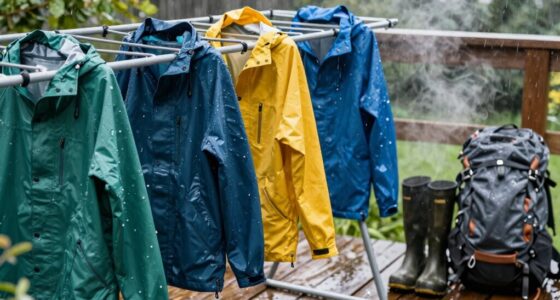
The Best Way to Dry Wet Gear After Floods and Storms

Inefficient drying can lead to mold and damage, so discover the best methods to dry wet gear quickly and effectively after floods and storms.

How to Spot Heat Exhaustion Before It Turns Dangerous

Absolutely, early signs of heat exhaustion include dizziness and heavy sweating; learn how to recognize and act before it becomes dangerous.

Why Rural Families Should Practice Shelter-in-Place Drills Too

Practicing shelter-in-place drills helps you understand how to stay safe during emergencies,…

How to Build a Smoke-Ready Room During Wildfire Season

Building a smoke-ready room during wildfire season involves essential steps to stay safe and comfortable—discover how to create a secure indoor environment.

The Simple Home Inventory Method That Speeds Insurance Claims

Inefficient home inventories can delay insurance claims—discover the simple method that ensures quick, organized documentation you can rely on.

How to Reduce Food Loss After a Refrigerator Failure

Discover essential tips to minimize food loss after refrigerator failure and keep your perishable items safe—learn more to protect your food and reduce waste.

Emergency Cooking Without Grid Power: Safer Rural Options

Nothing beats exploring safe and reliable emergency cooking options for rural areas when grid power fails—discover how to stay prepared and keep your family safe.

How to Choose Safe Indoor Heat During Utility Failures

Just knowing the right steps can ensure your safety during utility failures, but there’s more to keep your home and loved ones protected.

The One-Page Household Contact Sheet Every Family Should Have

Here’s a helpful guide to creating the one-page household contact sheet every family should have, and why it’s essential for your safety and preparedness.

How to Store Backup Batteries Without Shortening Their Life

Ineffective storage can damage backup batteries; discover essential tips to preserve their lifespan and ensure reliable performance.