To build a smoke-ready room during wildfire season, you should seal the space tightly using weather stripping around doors and windows, and cover vents with airtight filters. Use a high-quality HEPA filter air purifier continuously, and consider adding activated carbon filters for gases and odors. Keep ventilation systems with proper filters, and avoid opening windows or doors during smoke events. Regularly maintain filters and check air quality reports to stay protected—more tips ahead to help you stay safe and comfortable.

Get garden gear delivered free with Prime
- Fast, free delivery on millions of items
- Prime Video, Amazon Music and more included
- Member-only deals all year
Key Takeaways
- Seal doors, windows, and vents tightly with weather stripping and airtight covers to prevent smoke infiltration.
- Use a high-quality HEPA air purifier continuously, supplemented with activated carbon filters for gases and odors.
- Avoid opening windows or doors during smoke episodes; rely on filtered mechanical ventilation.
- Regularly inspect and replace filters in filtration and ventilation systems to ensure optimal performance.
- Monitor outdoor air quality reports and adjust indoor ventilation and sealing measures accordingly.
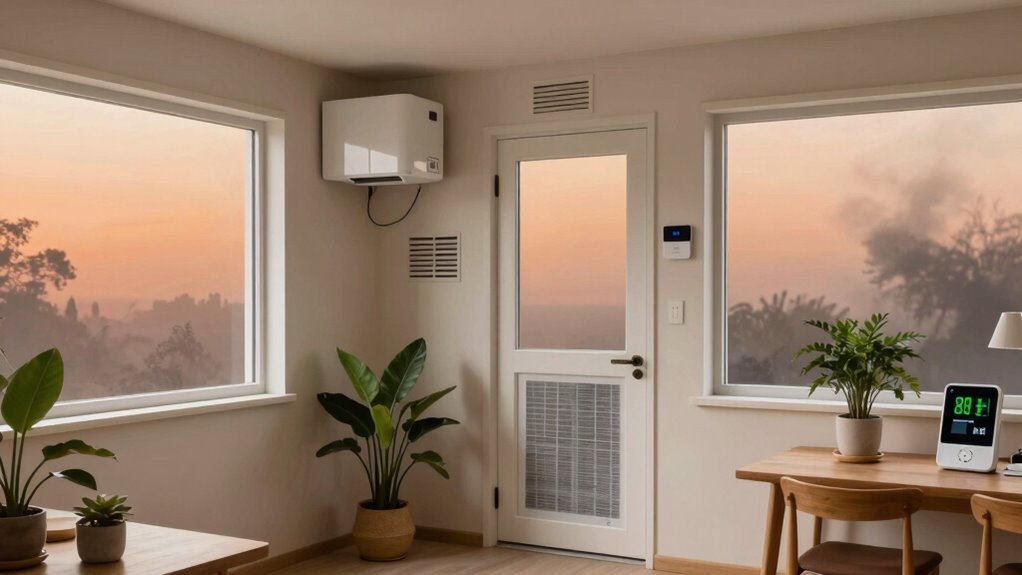
During wildfire season, creating a smoke-ready room can make a critical difference in protecting your health and safety. When smoke drifts into your area, having a dedicated space that minimizes exposure is essential. Starting with air filtration is your first step. High-quality HEPA filters are important because they can trap tiny particles found in wildfire smoke, including harmful pollutants and toxins. Invest in a portable air purifier equipped with a HEPA filter and make sure it’s appropriately sized for the room. Keep it running continuously during smoke events to maintain clean air inside. You might also consider adding activated carbon filters, which can absorb gases and odors that HEPA filters miss. Sealing the room well is key—use weather stripping around doors and windows to prevent smoke infiltration. Cover vents and openings with airtight materials or filters designed for smoke filtration.
Ventilation systems are equally significant, but they need careful management. During a wildfire, opening windows and doors can introduce more smoke, so avoid natural ventilation unless the air quality improves. Instead, rely on your mechanical ventilation system, if you have one, to control airflow. Make sure your ventilation system has a clean, functioning filter and is designed to prevent outside air from entering. In some cases, installing a dedicated ventilation system with its own filtration can help circulate air without pulling in smoke from outside. If you don’t have an HVAC system, consider portable air scrubbers with built-in filtration to replace or supplement existing units. These can help maintain airflow within your smoke-ready room while filtering out dangerous particles. Ensuring your air filtration system** is properly maintained is crucial for maximum effectiveness. Regularly inspect and replace filters as recommended by the manufacturer to ensure optimal performance. Proper maintenance practices** are essential to keep your filtration equipment functioning effectively during emergencies.
Additionally, keep the room well-ventilated with controlled airflow to prevent stale air buildup. Use fans that can circulate filtered air without drawing in smoke from outside. Remember, your priority is to limit smoke entry, so sealing gaps and using the right filtration equipment is essential. During wildfire events, check air quality reports regularly and adjust your ventilation accordingly. If outdoor air quality is poor, keep windows and vents closed, and rely solely on your filtration system. As part of your preparation, have backup filters on hand and ensure your equipment is functioning properly before smoke levels become hazardous. Building a smoke-ready room involves thoughtful planning, but with the right air filtration and ventilation systems, you can greatly reduce your exposure and safeguard your health during wildfire season. Properly maintaining your filtration equipment is key to ensuring it functions effectively when needed.
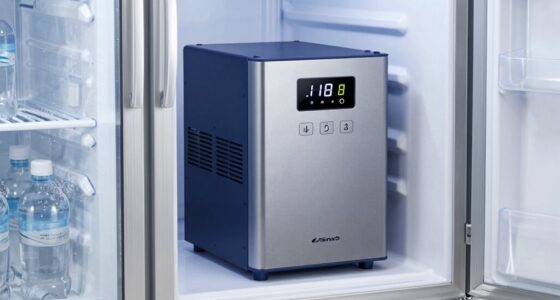
HEPA air purifier for wildfire smoke
As an affiliate, we earn on qualifying purchases.
As an affiliate, we earn on qualifying purchases.
Frequently Asked Questions
What Is the Ideal Size for a Smoke-Ready Room?
The ideal size for a smoke-ready room is around 100 to 150 square feet, providing enough space without overwhelming ventilation options. You want to install effective ventilation, like HEPA filters and sealed windows, to improve air quality indicators. Keep the room compact enough for efficient filtration and airflow, but spacious enough to comfortably accommodate essential supplies and allow easy movement. Proper sizing guarantees you maintain a safe, breathable environment during wildfires.
Can Existing Rooms Be Converted Into Smoke-Ready Rooms?
Converting existing rooms into smoke-ready spaces is like transforming an ordinary room into a fortress. You can do it by sealing gaps, installing high-quality filters, and improving ventilation strategies. Use airtight seals on windows and doors, add HEPA filters, and consider portable air purifiers. Regular air quality testing guarantees your space remains safe. With these steps, you’ll create a protected environment that keeps smoke out during wildfire season.
How Often Should Filters and Seals Be Inspected or Replaced?
You should inspect air filtration and sealing techniques monthly during wildfire season. Regularly check filters for dust, debris, or damage, and replace them every 1 to 3 months, or sooner if airflow decreases. Seal gaps around doors and windows tightly, ensuring airtight seals with weatherstripping or caulking. Consistent inspections keep your smoke-ready room effective, providing cleaner air and minimizing wildfire smoke infiltration.
What Materials Are Best for Constructing Smoke-Resistant Barriers?
You should use materials with high durability, like solid metal or specialized fire-resistant drywall, for constructing smoke-resistant barriers. Incorporate effective ventilation strategies, such as sealed vents with HEPA filters, to prevent smoke infiltration. Make sure barriers are tightly sealed and maintain them regularly to keep out smoke. Choosing robust, fire-resistant materials combined with strategic ventilation helps create a reliable smoke-ready room during wildfire season.
Are There Portable Solutions for Creating a Temporary Smoke-Safe Space?
Imagine you’re at home during a wildfire, and you need a quick, portable smoke-safe space. You can set up a makeshift room using an air purifier with a HEPA filter and a temporary ventilation system. These solutions effectively filter out smoke particles, creating a healthier environment. Portable air purifiers and flexible ventilation systems offer immediate relief, ensuring you breathe cleaner air during wildfire events.
Conclusion
Creating a smoke-ready room means safeguarding your health, protecting your family, and providing peace of mind. It’s about preparing your space, improving your air quality, and staying resilient in the face of wildfire season. By taking these steps, you’re not just building a room—you’re building a refuge, a sanctuary, a safe haven. Stay vigilant, stay prepared, and stay safe, because your well-being depends on the action you take today for a safer tomorrow.
Fall yard work Picks
leaf blowers
As an affiliate, we earn on qualifying purchases.