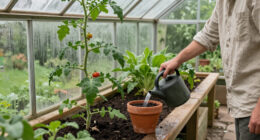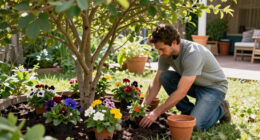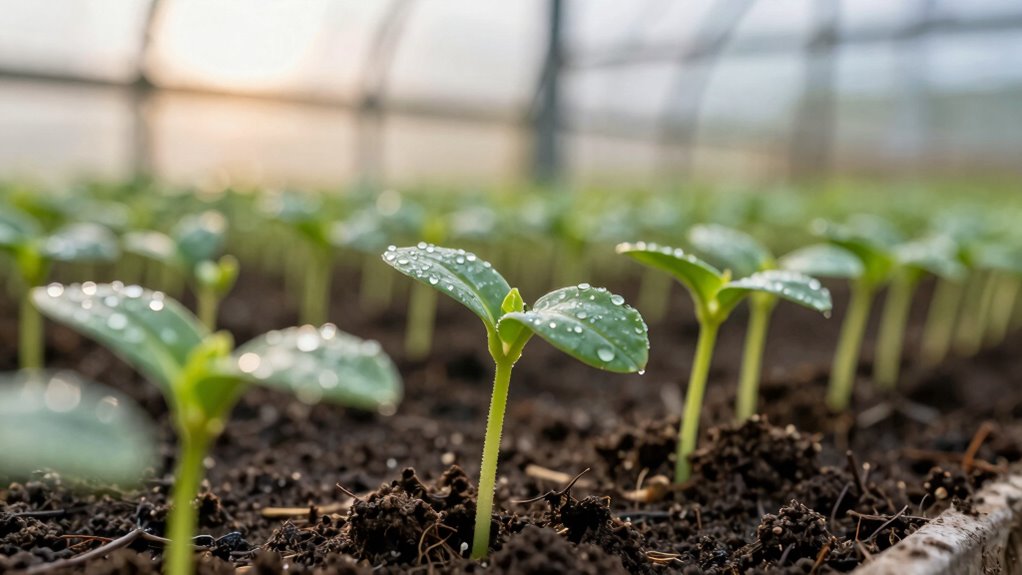

To prevent shock, follow a 7-day hardening off plan by gradually exposing your seedlings to outdoor conditions. Start with a few hours in shady, sheltered spots and increase exposure each day, adding sunlight and wind gradually. Monitor temperatures and protect your plants from sudden cold snaps or harsh weather. Keep an eye on their response, ensuring they develop resilience before transplanting fully outdoors. Continue exploring these steps to give your seedlings a strong start.

Get garden gear delivered free — and shop member deals
- Fast, free delivery on millions of items
- Access to Prime Big Deal Days deals on October 6–7
- Prime Video, Amazon Music and more included
Key Takeaways
- Gradually expose seedlings to outdoor conditions over 7 days, increasing sunlight, wind, and outdoor hours daily.
- Start with 2 hours in shaded, sheltered spots, then extend exposure by 15-30 minutes each day.
- Monitor plant responses for signs of stress, adjusting schedule or providing extra protection as needed.
- Use shade cloth and wind barriers to prevent sunburn and wind damage during initial outdoor exposure.
- Ensure proper watering, airflow, and soil amendments throughout the process to support healthy hardening.
As an affiliate, we earn on qualifying purchases.
Why Hardening Off Is Essential for Strong Seedlings

Hardening off is a crucial step in preparing your seedlings for outdoor conditions. Without this process, your plants are vulnerable to transplant shock, which can stunt growth or even kill them. Transplant shock occurs when seedlings are suddenly exposed to harsh weather, strong sunlight, or wind, causing stress that weakens their immune system. Hardening off gradually acclimates your plants, helping them adjust to outdoor environments safely. This process also encourages the development of stronger root systems, which are vital for nutrient uptake and overall plant health. Proper hardening off can improve their overall resilience to environmental stresses. Additionally, consistent exposure during hardening off helps plants build stress tolerance, making them better equipped to handle unpredictable weather. Skipping hardening off increases the chances of seedlings suffering from environmental shocks, which can set back your gardening efforts. Taking the time to harden off your seedlings pays off by fostering resilient, vigorous plants ready to thrive outside. Incorporating climate acclimation techniques during hardening off can further enhance plant adaptability for varying conditions. Ensuring your seedlings are properly hardened also reduces the likelihood of piercings or other stress-related issues that might weaken young plants.
How to Prepare Your Seedlings for Hardening Off
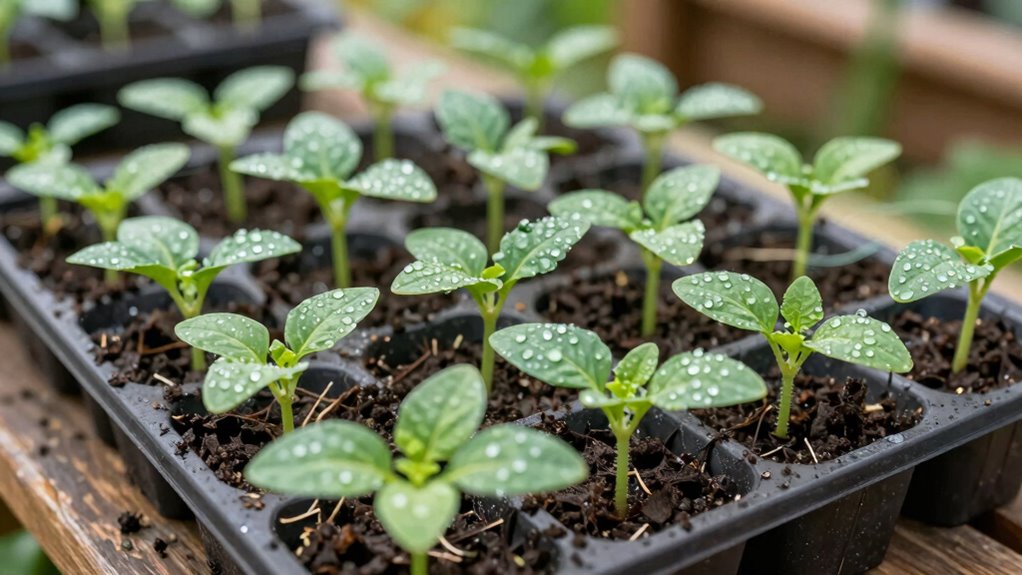
Before you begin hardening off your seedlings, it’s important to prepare them properly to guarantee a smooth shift. Proper soil preparation helps roots acclimate gradually, reducing transplant shock. To set the stage:
- Gently ease seedlings out of their containers to prevent root damage and promote healthy root acclimation.
- Expose roots to outdoor conditions gradually to build resilience.
- Amend soil with organic matter, ensuring it’s well-draining and nutrient-rich to support root development.
- Water seedlings deeply before and after exposure to reinforce soil contact and keep roots moist.
- Consider utilizing natural filtration systems to maintain optimal soil health and promote sustainable growth.
- Understanding soil health is crucial for creating an ideal environment for your seedlings to adapt to outdoor conditions, giving them the best chance to flourish once fully hardened off.
- Implementing sustainable gardening practices can enhance soil vitality and foster a resilient garden ecosystem. Additionally, using waterwick pots or other self-watering containers can help maintain consistent moisture levels during the acclimation process.
- Incorporating traditional Indigenous soil enrichment techniques can further improve soil vitality and foster a more resilient garden environment.
Your 7-Day Hardening Off Schedule for Success
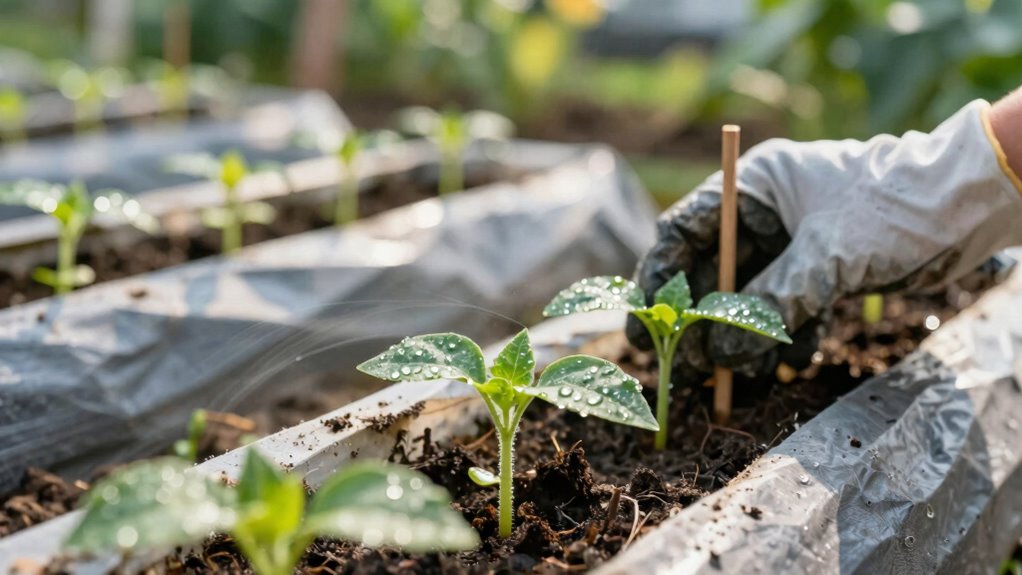
Establishing a clear, step-by-step schedule is key to successfully acclimating your seedlings to outdoor conditions. Over 7 days, you’ll gradually increase exposure, ensuring proper seedling nutrition and watering techniques. Start by placing seedlings outside for a few hours, then extend their time each day. Monitor soil moisture, watering only when needed to prevent stress. Here’s a simple schedule:
| Day | Exposure Time | Notes |
|---|---|---|
| Day 1 | 2 hours | Keep in shade, slight wind |
| Day 2 | 4 hours | Add morning sun |
| Day 3 | 6 hours | Include afternoon sun |
| Day 4 | 8 hours | Increase sunlight |
| Day 5 | 10 hours | Short periods of wind |
| Day 6 | 12 hours | Full outdoor exposure |
| Day 7 | 24 hours | Ready for permanent outdoor placement |
Developing an auditory processing awareness can also support your understanding of environmental cues during this transition. Additionally, paying attention to environmental cues like temperature fluctuations and wind patterns can help you better judge when your seedlings are ready for full outdoor exposure. Recognizing the importance of inner wisdom in observing subtle signs can further improve your hardening off process. Being aware of weather conditions such as unexpected cold snaps or storms can help you adjust your schedule accordingly, ensuring your seedlings remain healthy and stress-free. Incorporating an understanding of Gold IRA markets can also help you stay informed about investment opportunities that may support your gardening ventures.
Safe Sun and Wind Practices for Hardening Seedlings

To protect your seedlings during hardening off, manage their sun exposure carefully by gradually increasing sunlight hours. Keep wind from drying out or damaging the plants by using barriers or shielding methods. By balancing sun and wind, you’ll help your seedlings develop strong, healthy roots and leaves. Incorporating proper ventilation can also prevent disease and promote resilience during this transition. Additionally, airflow management is crucial to avoid excessive humidity and ensure healthy growth. Understanding seedling development can further optimize this process for robust plants, and maintaining an optimal indoor environment can support the transition from seedling to mature plant.
Sun Exposure Management
Managing sun exposure is essential when hardening off seedlings, as sudden or intense sunlight can cause stress or damage. To protect them, use a shade cloth to gradually reduce direct sun. Keep in mind these key steps:
- Introduce partial shade early in the day, avoiding harsh afternoon sun.
- Use shade cloth with UV protection to block harmful rays without overheating plants.
- Increase sun exposure gradually, extending time by 15-30 minutes daily.
- Watch for signs of sun stress, like wilting or discoloration, and adjust accordingly.
- Incorporating sound healing techniques, such as calming music or vibrations, can help seedlings adapt more peacefully to environmental changes. sound vibrations This approach aligns with plant stress management practices that promote healthier growth.
- Ensuring proper airflow around seedlings can prevent heat buildup and reduce stress during hardening off. Additionally, providing a consistent environment helps seedlings develop resilience and adapt more effectively.
Wind Protection Strategies
Wind can quickly damage tender seedlings, so protecting them from strong gusts is essential during hardening off. You should use wind barriers like fencing, burlap screens, or planting near existing structures to shield your seedlings. These shelter techniques reduce the force of gusts and prevent wind stress that can cause breakage or desiccation. Position your seedlings in locations that naturally block prevailing winds, such as behind walls or fences. If natural barriers aren’t available, create temporary windbreaks with lightweight materials. Regularly monitor wind conditions and adjust your shelter strategies as needed. Proper wind protection minimizes stress, helps seedlings develop tougher stems, and prepares them for outdoor conditions, ensuring a successful transition from indoor growth to outdoor resilience. Incorporating tactical wind protection methods can further improve the seedlings’ ability to withstand harsh weather. Additionally, understanding microclimates in your garden can help you identify the best sheltered spots for your seedlings to thrive.
Monitoring Temperature and Making Adjustments

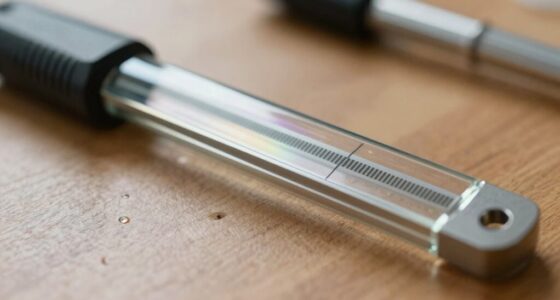
Monitoring the temperature around your seedlings is essential to guarantee they adapt smoothly to outdoor conditions. Regular temperature monitoring helps you recognize when adjustments are needed to prevent stress or shock. Use a thermometer to track daytime and nighttime temperatures daily. If it gets too cold, employ adjustment techniques like shading or covering plants. Conversely, if temperatures soar, provide ventilation or move seedlings to cooler spots. Pay close attention to these key moments:
Monitoring seedling temperatures ensures healthy growth by adjusting shading, covering, or ventilation as needed.
- When temperatures drop below 55°F (13°C) at night
- During midday heat spikes
- Unexpected cold snaps
- Sudden temperature swings
Common Mistakes to Avoid When Hardening Off

One common mistake to avoid when hardening off seedlings is rushing the process. Moving them outdoors too quickly can cause shock and stress. Be cautious of overwatering mistakes; seedlings need less water as they adjust, and excess moisture can lead to root rot. Additionally, neglecting airflow can trap humidity around your plants, increasing the risk of fungal diseases. Ensure good ventilation by placing seedlings in a well-ventilated area and gradually increasing airflow over time. Rushing the schedule or not observing your plants’ responses can undo your efforts. Take your time, and steadily expose seedlings to outdoor conditions, paying close attention to watering habits and air circulation. This careful approach helps your seedlings adapt safely and reduces the chances of setbacks.
How to Tell When Your Seedlings Are Ready for Outdoors
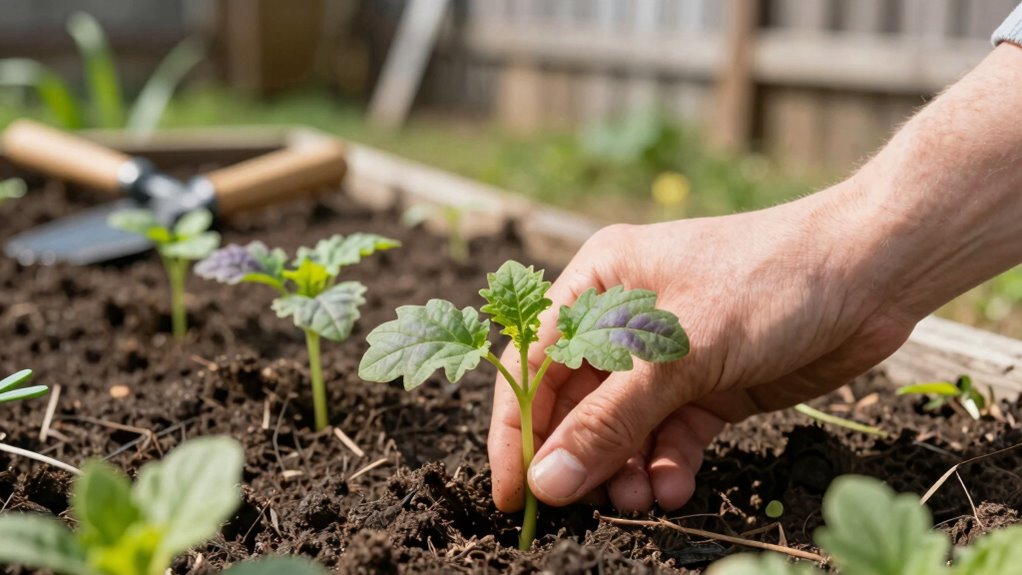
Knowing when your seedlings are ready to go outdoors is essential for their survival and healthy growth. Watch for signs of seedling maturity and outdoor readiness. Here are four key indicators:
- Strong stems and healthy leaves – your seedlings should be sturdy, not leggy or weak.
- Consistent growth – they’ve outgrown their initial containers and are developing rapidly.
- Hardiness to touch – they feel firm and resilient, not wilted or delicate.
- Adaptation to outdoor conditions – they’ve tolerated a few hours outside during the day without stress.
If your seedlings meet these criteria, they’re likely ready for outdoor planting. Recognizing these signs guarantees you avoid transplant shock and set the stage for vigorous, productive growth. Proper timing is critical for successful gardening.
How Hardening Off Sets Your Garden Up for a Bountiful Season
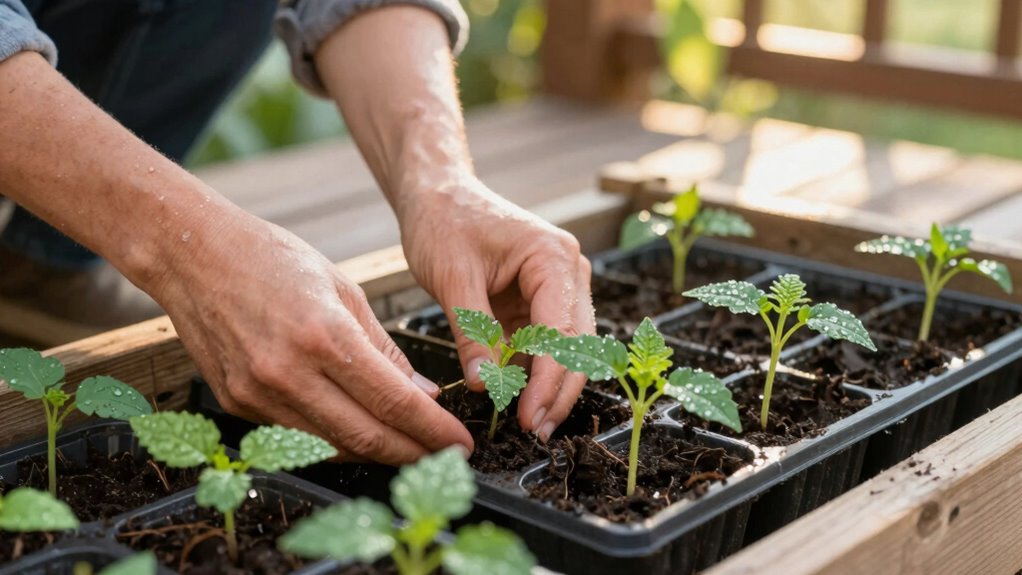
Hardening off is a essential step that prepares your seedlings for the shift from indoor or protected environments to outdoor conditions. Proper soil preparation ensures your garden beds are nutrient-rich and well-draining, giving your plants a strong foundation. As you expose seedlings gradually, keep pest control in mind; check for pests and remove any early signs of infestation to prevent problems later. Hardening off helps plants develop tougher stems and stronger roots, leading to healthier growth and a better harvest. When your seedlings are accustomed to outdoor temperatures and sunlight, they’re less likely to suffer shock, which can stunt growth. Overall, this process sets the stage for a bountiful season by encouraging resilient plants capable of thriving in outdoor conditions.
Frequently Asked Questions
Can Hardening off Be Skipped Without Affecting Plant Health?
Skipping hardening off can stress your seedlings, leading to shock or damage, especially if they’re grown under artificial light. You might think it’s unnecessary, but exposing seedlings gradually to outdoor conditions helps them adapt and reduces stress. Without this step, your plants could suffer from sunburn, wind damage, or uneven growth. Taking the time to harden off guarantees healthier, stronger plants ready for their new environment.
What Are Signs That Seedlings Are Overexposed During Hardening Off?
Like a Shakespearean actor overacting, your seedlings might seem to overdo it if overexposed. Look for sunburn symptoms, such as scorched or bleached leaves, and wilting signs, which indicate stress. If you notice these, it’s a clear sign they’re overexposed and need protection. Gradually increase sunlight exposure to avoid shock, ensuring your plants stay healthy and strong for transplanting.
How Does Weather Variability Impact the Hardening off Process?
Weather fluctuations and climate unpredictability can make hardening off tricky, as sudden cold snaps or heatwaves may stress your seedlings. You should monitor daily conditions closely and adjust your schedule accordingly. Gradually exposing seedlings to outdoor conditions helps them adapt despite unpredictable weather. If you see signs of stress, like wilting or discoloration, bring them back indoors and restart the process more slowly to prevent shock.
Is Hardening off Necessary for All Types of Seedlings?
Absolutely, hardening off helps all types of seedlings. You need to carefully shift your indoor seedlings to outdoor exposure, preventing shock and promoting stronger growth. Skipping this step risks sunburn, wind damage, and stress. Whether you’re growing vegetables, flowers, or herbs, this gentle adjustment guarantees your plants adapt smoothly to new conditions, boosting resilience and vitality. Don’t skip the process—your seedlings will thank you with healthier, happier harvests.
Can Indoor Seedlings Be Hardened off Safely?
Yes, indoor seedlings can be hardened off safely by gradually exposing them to outdoor conditions. Start with outdoor acclimation by placing seedlings in a shaded, sheltered spot for a few hours daily, then slowly increase exposure over a week. This process boosts seedling resilience, helping them adapt without shock. Consistent, gentle exposure guarantees your seedlings develop the strength needed for outdoor life, reducing transplant stress effectively.
Conclusion
Think of hardening off as training a champion athlete, gradually building resilience and strength. By following this 7-day plan, you’re preparing your seedlings to face the great outdoors with confidence. Skipping steps is like rushing a marathon—you’re risking burnout and shock. With patience and care, your plants will emerge sturdy and ready, much like a hero emerging victorious from a long journey. Trust the process, and watch your garden thrive all season long.
Fall Picks
fall essentials
As an affiliate, we earn on qualifying purchases.