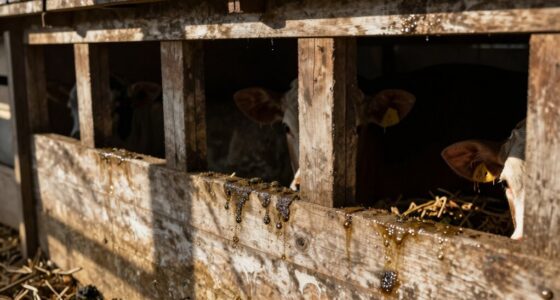
The Daily Health Check Routine That Catches Livestock Problems Early

Catching livestock problems early starts with a consistent health check routine that reveals subtle signs before issues escalate. Keep reading to learn how.

Small Dairy Chillers Only Help If Cooling Starts Fast Enough

No matter the size, small dairy chillers only work effectively if cooling begins quickly, and discovering how to ensure fast start-up is essential.

Milk Transfer Pumps Belong in a Sanitation System, Not a Shortcut

Knowledge of proper sanitation for milk transfer pumps reveals why shortcuts compromise safety and how to safeguard your process effectively.

Pail Milkers Need a Cleaner Workflow, Not Just Cleaner Buckets

Pail milkers need a cleaner workflow, not just cleaner buckets, to ensure optimal hygiene and efficiency—discover how to transform your process today.

Bottle Feeding Stations Save Labor—But Hygiene Is the Real Make-or-Break

An efficient bottle feeding station can save labor, but prioritizing strict hygiene standards is crucial for ensuring baby safety and trust.

Calf Hutches Get Too Hot or Too Damp When Orientation Is Ignored

Haphazard hutch placement risks overheating or dampness, jeopardizing calf health—discover how proper orientation can prevent these issues and promote better care.

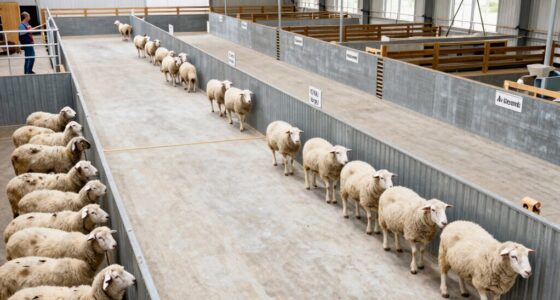
Sheep Handling Systems Work Best When Sorting Lanes Are Planned Early

Using early planning for sheep sorting lanes enhances safety and efficiency, but understanding the key factors can transform your handling system completely.

Goat Hoof Stands Speed Up Trims Only When Handling Habits Improve Too

What you do beyond using a goat hoof stand can make all the difference in trimming efficiency and safety.

Walk-In Aviaries Need Shade, Drainage, and Predator Thinking

Knowledge of essential features like shade, drainage, and predator protection is crucial for a safe, healthy walk-in aviary environment—discover how to implement them effectively.

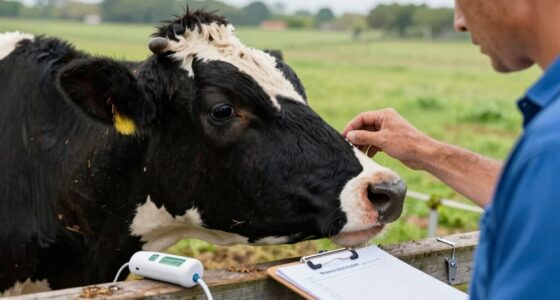
Roll-Away Nest Boxes Stay Cleaner—But Only If the Flock Accepts Them

Properly designed and placed roll-away nest boxes can keep your coop cleaner, but ensuring your flock accepts them is key to success.